Style Edit: Graff’s Butterfly Brooches collection celebrates goddesses and extraordinary women

12 new designs blend art and mythology, showcasing diamonds with vibrant gems inspired by deities and cultural icons
Graff is renowned around the world for its mastery of diamonds – and there’s no better way of showing off the prized stones’ glittering facets than on the shimmering wings of one of nature’s most exquisite creations: the butterfly. That’s perfectly illustrated by the 12 latest releases from Graff’s Butterfly Brooches collection, each available in a limited edition of just 10.
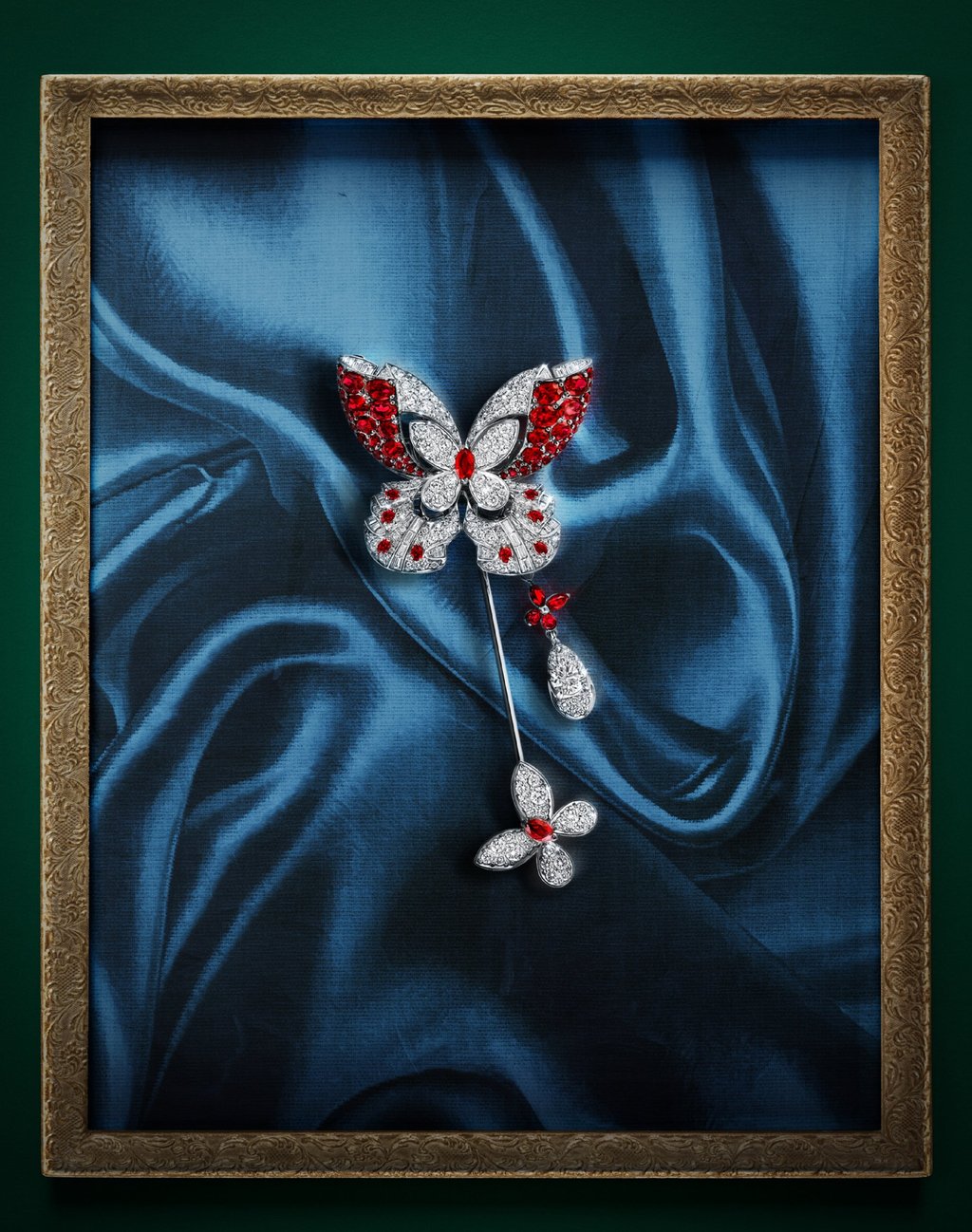
Wings of rich pink sapphires characterise the architecturally inspired Lina, named after influential modernist architect Lina Bo Bardi. The Eva mimics impressionist painter Eva Gonzalès’ bold use of colours with sapphires, Paraiba tourmalines and emeralds; while the Sylvie, studded with sizeable Persian Gulf pearls, takes its name from a famous Pearly Queen, a traditional charitable group in London famous for their sequin-festooned outfits.
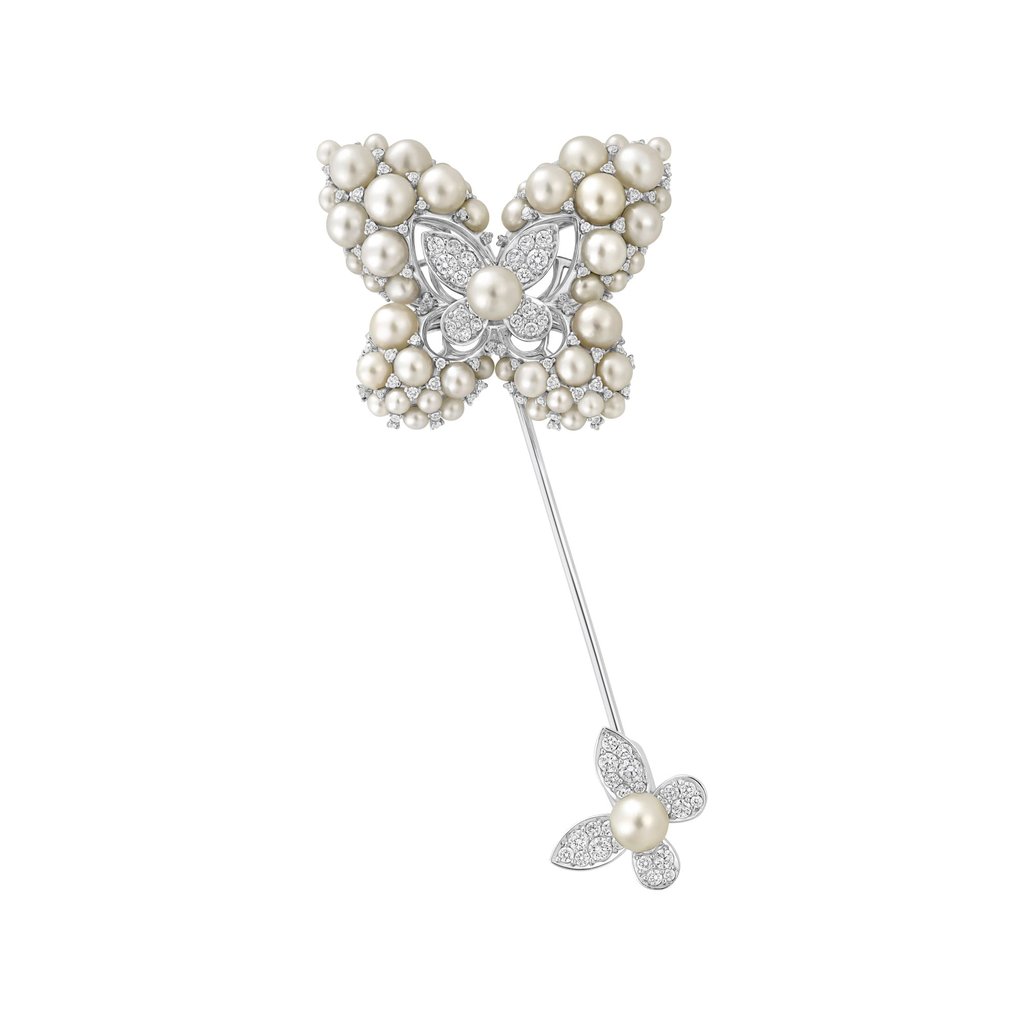
The collection’s associations go celestial on pieces such as the Selene, which shares its name with the Greek goddess of the moon as a result of its stark, monochrome appearance, white diamonds contrasting with black spinels. The colour palette of the Luna is more muted – more moon-like – with opals and pearls appearing alongside the diamonds.
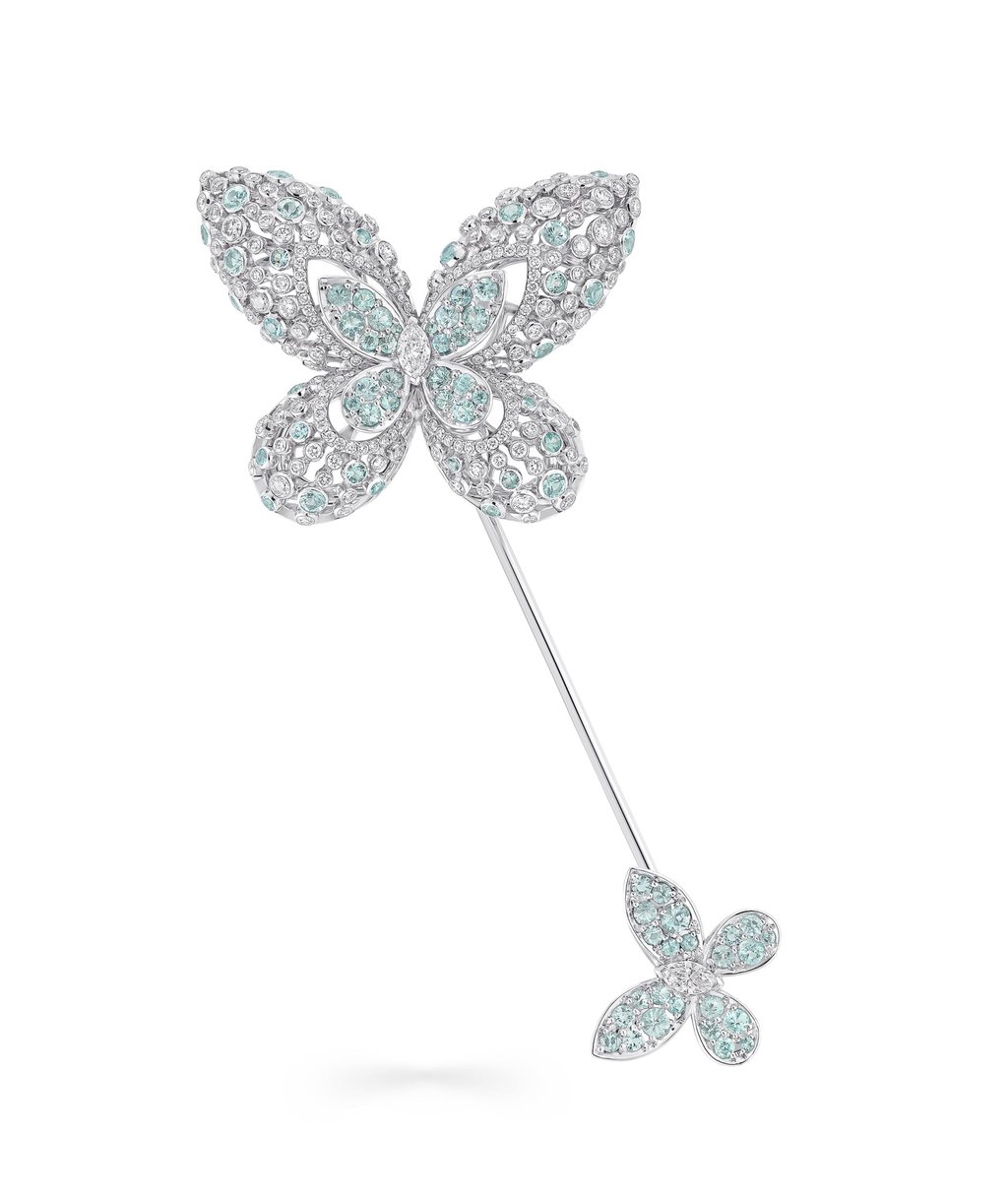
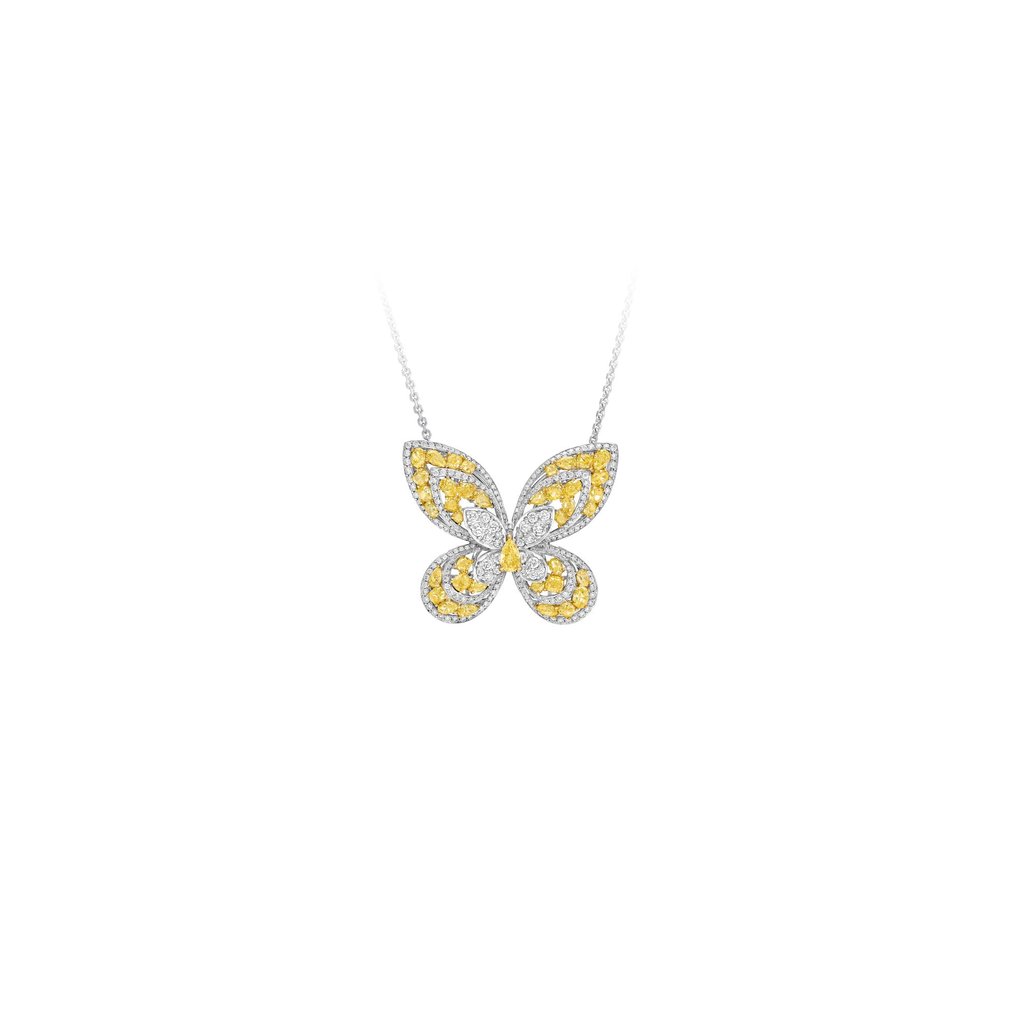
Classical mythology comes to the fore on the Athea, whose delicacy and vivid detail, expressed in Paraiba tourmalines and diamonds, reflect its association with Greek goddess of wisdom and craftsmanship, aka Athena; and on the Freya, named after the Norse goddess of beauty and love, and lit up by the contrast between white diamonds and Fancy Vivid yellow ones. The Flora, also in yellow and white diamonds, takes its design inspiration from flowers and its name from the Roman goddess who represents them.
Finally, there are two pure expressions of diamonds in the collection. The Marina, named after op art pioneer Marina Apollonio, uses the stones to dramatically mimic the hypnotic use of concentric circles in her work; while the Daphne, delightfully recalling a laurel, is named for the Greek goddess who turned herself into one.