Advertisement
Advertisement
Advertisement
Luxury News

The luxury market is poised for a comeback by 2030 – here’s what US and China clients want

STORYVarvara Rodchenko
Shoppers queue outside a Dior boutique on Canton Road in Tsim Sha Tsui, Hong Kong, in 2024. The luxury market has cooled down recently, but is predicted to make a comeback by 2030. Photo: Jelly Tse
Luxury brands

A new McKinsey and Business of Fashion report reveals how aspirational spending, emotional connection and experience are reshaping the luxury sector

Although the luxury market has been affected by economic headwinds in recent years – with conflict in the Middle East and tariffs imposed by US President Donald Trump causing chaos globally – it’s projected to make a comeback by 2030, with China and the US expected to lead that surge in growth.

According to “The State of Fashion: Face to Face with Luxury Clients” – a report released yesterday by McKinsey and The Business of Fashion’s data consultancy arm, BoF Insights – the luxury sector is expected to grow by four to six per cent per year through 2030. However, growth in the world’s two most important luxury markets is being driven by different factors: while more than two thirds of US customers surveyed now show a preference for smaller, independent labels, a similar proportion of Chinese consumers remains devoted to bigger, legacy brands. Yet both markets seem to share one thing in common: the desire for self-expression in their luxury consumption habits.

Here are some key takeaways from the report, which drew on data from over 2,000 luxury clients across different spending tiers in the US and China.

Shopping as self-expression
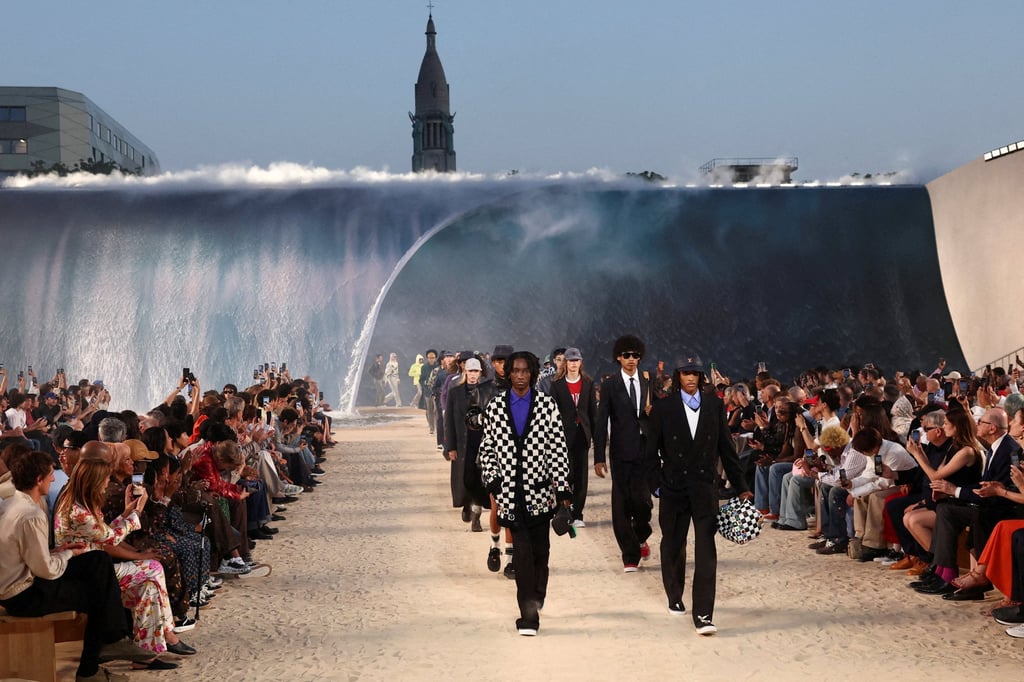
Models walk in Pharrell Williams’ Louis Vuitton menswear spring/summer 2027 show in Paris in June – a spectacle of legacy branding at a time when luxury clients are increasingly seeking emotional connection over logo recognition. Photo: Reuters
Advertisement

One major finding from the report suggests that aspirational and established luxury clients – those who spend between US$5,000 and US$50,000 on luxury goods each year – have been systematically underserved. Yet this segment represents some US$70 billion to US$90 billion in potential growth for the sector.

Self-expression has become the defining driver that modern luxury shoppers stand by when it comes to making a purchase. Both the American and Chinese buyers surveyed said they tend to favour emotional connection with a brand over logo recognition, heritage and even craftsmanship.

In China, brand desire is more closely tied to visibility and recognition, with 33 per cent of established luxury clients, and 47 per cent of occasional and aspirational ones, saying they shop to feel more confident.

Exclusivity or artificial scarcity?
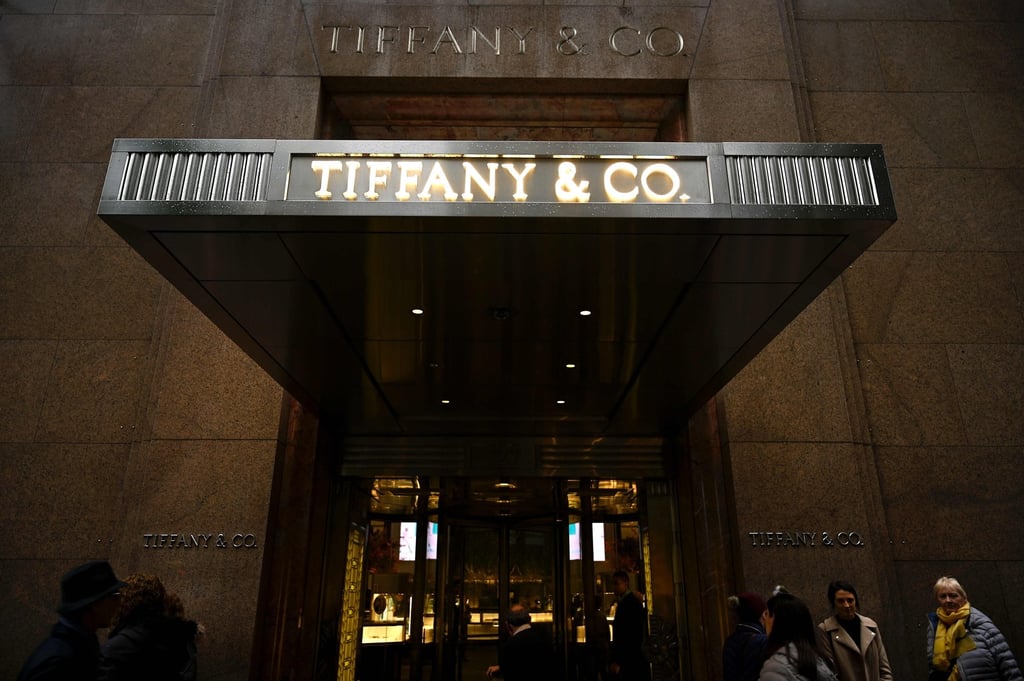
US luxury clients are increasingly moving away from legacy brands such as Tiffany & Co. in favour of smaller, independent labels. Photo: AFP
While limited availability and waiting lists have long been signs of exclusivity surrounding luxury brands, the report says the modern client is more sceptical about such illusions of scarcity, perceiving them as a marketing tool rather than a genuine marker of value.

That doesn’t mean today’s luxury client doesn’t care about special treatment, though. About 40 per cent of US luxury clients say limited editions, early product drops and loyalty rewards create a sense of exclusivity. In China, the luxury buyer is more keen on bespoke products and a personalised approach – aspects that are especially important for the Gen X demographic, which holds significant spending power.

“Luxury brands spent the last few years prioritising clients least affected by economic headwinds, and in doing so, lost touch with everyone else,” Imran Amed, founder, CEO and editor-in-chief of The Business of Fashion, was quoted as saying. “This report is a reminder that brand desirability cannot be manufactured through price or scarcity, but has to be earned, market by market, client by client.”

Seeking emotional connection

Select Voice
Select Speed
1.00x