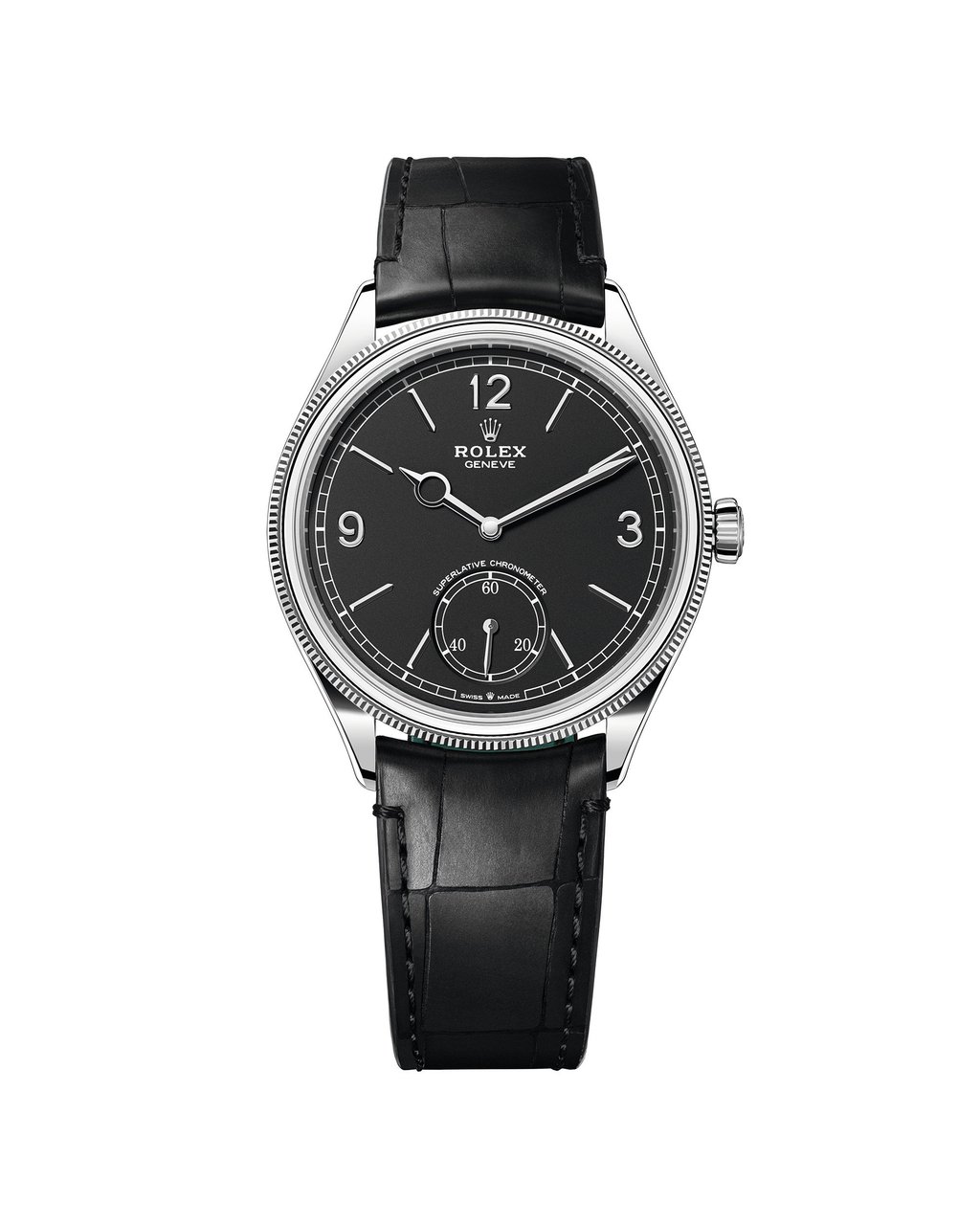
How dress watches have evolved and why they’re coming back – from Rolex and Cartier to Hermès and Louis Vuitton

David Beckham, actors Oscar Isaac and Sebastian Stan, and F1’s George Russell are among the stars fronting campaigns for dress watches
For more than a century, the dress watch has represented the most refined form of traditional horology. It was created to be worn with formal clothing, designed to complement rather than command attention. Typically made in precious metal – often gold or platinum – with a plain dial and a leather strap, its strength has always been its slim, elegant and mechanically straightforward approach to watchmaking.
The first true dress watches appeared in the early 20th century, but their origins reach further back to the Regency period, when men’s tailoring shifted towards the cleaner, more fitted silhouette of the modern suit. With slimmer jackets and higher waistlines, carrying a bulky pocket watch distorted the look, prompting watchmakers to produce thinner, more discreet designs. The ability to make an ultra-thin movement became a mark of sophistication and wealth. By the late 19th century, flat-cased pocket watches were fixtures of formal dress.

World War I marked the next turning point. Officers returning from the front lines brought back the practical wristwatches they had worn in combat, and the style quickly took hold in civilian life. Freed from military function, watchmakers began refining these early models into slimmer, more elegant versions suited to business and evening wear. By the 1920s, the dress watch had become a downplayed counterpart to sportier tool watches – defined by a thin profile, a simple dial and a case small enough to slide neatly beneath a shirt cuff.
As tastes shifted through the second half of the 20th century, sports watches became an everyday choice. In recent years, however, watchmakers have returned to a dressier style with a renewed focus, using a monochrome palette to highlight texture, finishing and minimalist design instead of relying on colour or decoration.

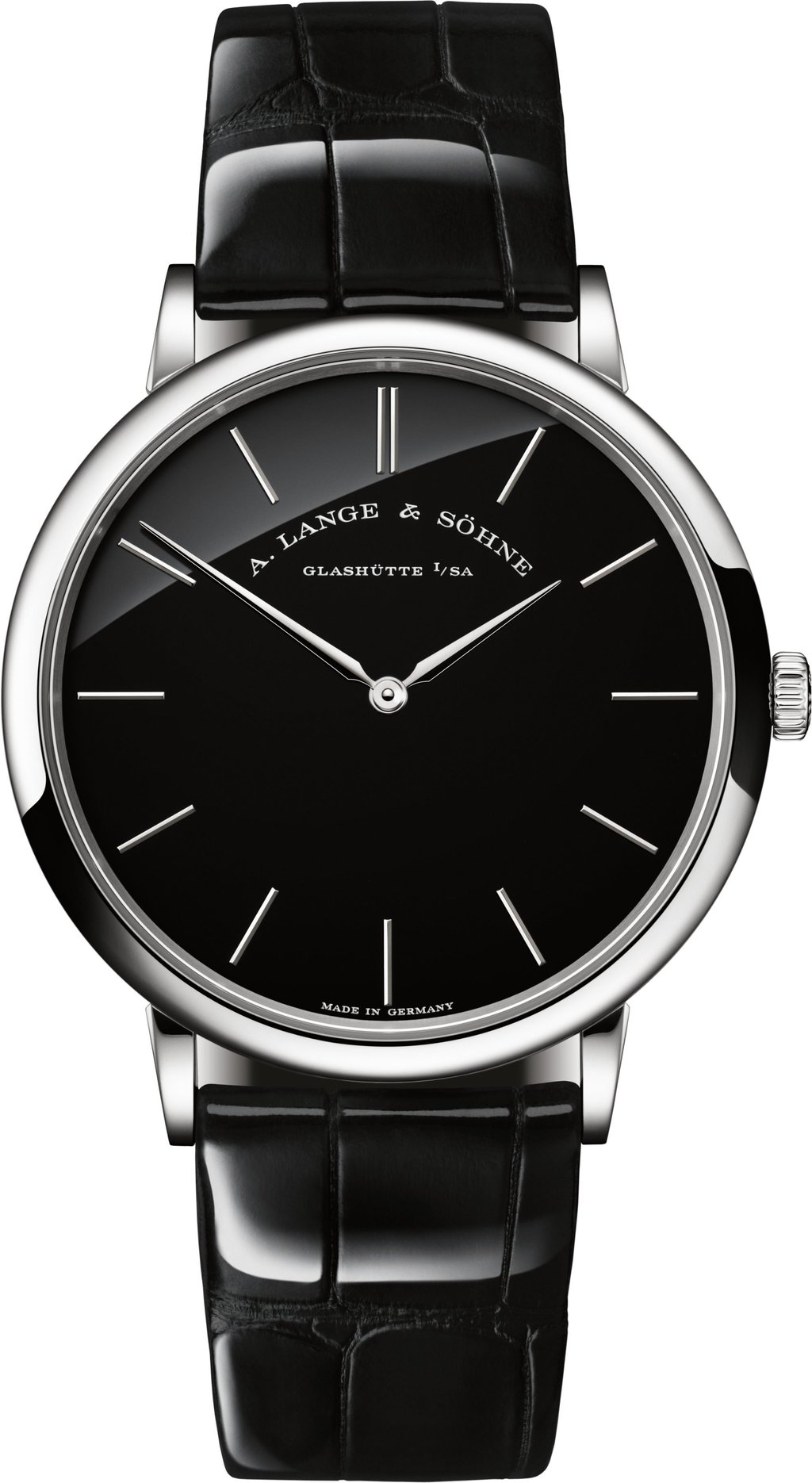
A similar pared-back palette is inspiring new interpretations of the classic dress watch. Among the clearest examples is the new Saxonia Thin from German brand A. Lange & Söhne, which pairs a polished black onyx dial with a 40mm case in either platinum or the brand’s proprietary honey gold, a warm hue between pink and white gold. The onyx surface gives depth to the otherwise minimal design, which has just two hands and slim hour markers. Inside is a hand-wound movement visible through the caseback, with a 72-hour power reserve.