Space watches, redefined for a new era of exploration, from Omega and more

Omega’s Speedmaster has long been Nasa’s go-to, but other space programmes are exploring partnerships with the likes of IWC Schaffhausen, Fortis and Barrelhand
Sixty years on from that qualification, the Speedmaster’s role in space remains the reference point against which other space watches are measured. It was never designed specifically for space, but its robustness and legibility meant that it outperformed its competitors at a time when electronic and quartz timepieces had not yet demonstrated the reliability needed for space flight. The Speedmaster would go on to shape Omega’s legacy and influence how space flight was represented in watchmaking.
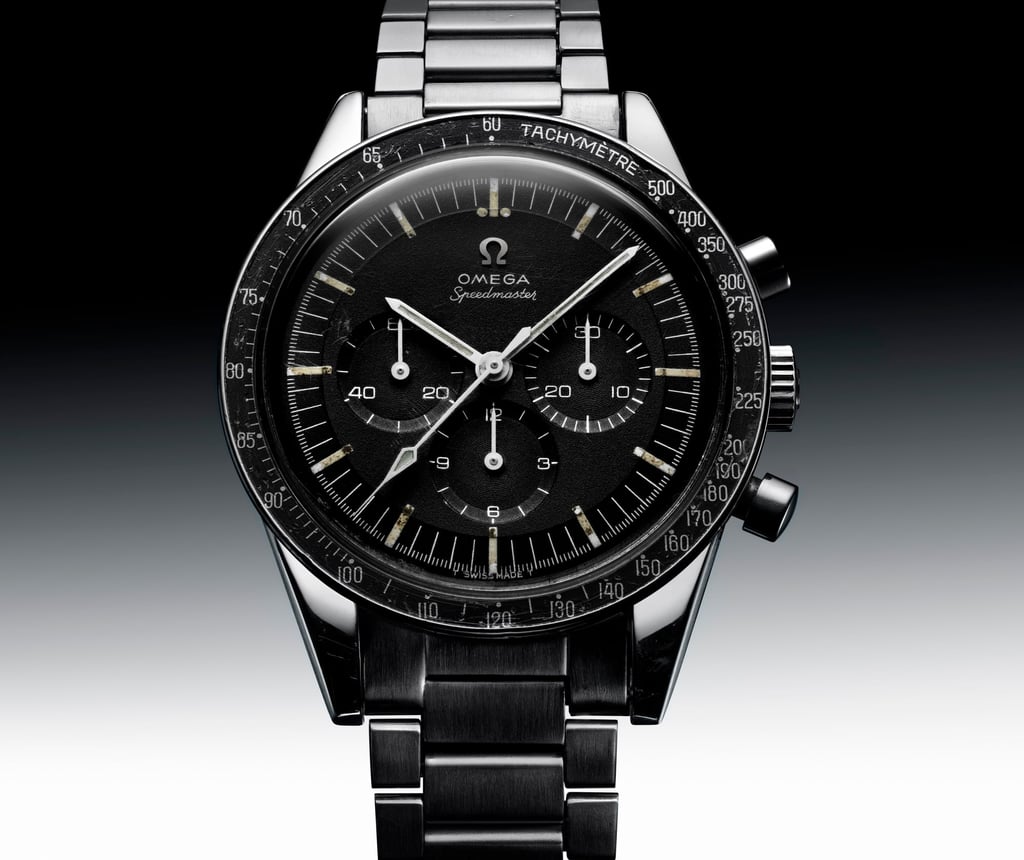
The Speedmaster’s defining moment came during Nasa’s Apollo 13 mission in 1970, after an explosion crippled the spacecraft’s power supply and forced the crew to shut down non-essential systems, including their on-board digital timers. As the damaged spacecraft drifted off course, the astronauts were required to perform a precisely timed engine burn to correct their re-entry trajectory. With no electronic instruments available, command module pilot Jack Swigert used his Speedmaster to time the burn while mission commander Jim Lovell manually guided the spacecraft. The manoeuvre proved successful, and the crew returned safely to Earth.
That mission cemented Omega’s association with Nasa in the public imagination. In the decades since, this has influenced how all watch brands have engaged with space, most often through commemorations or limited-edition models. Today, however, that approach is beginning to change, as a growing number of brands look to redefine what a space watch can be through more direct involvement in the new era of exploration.
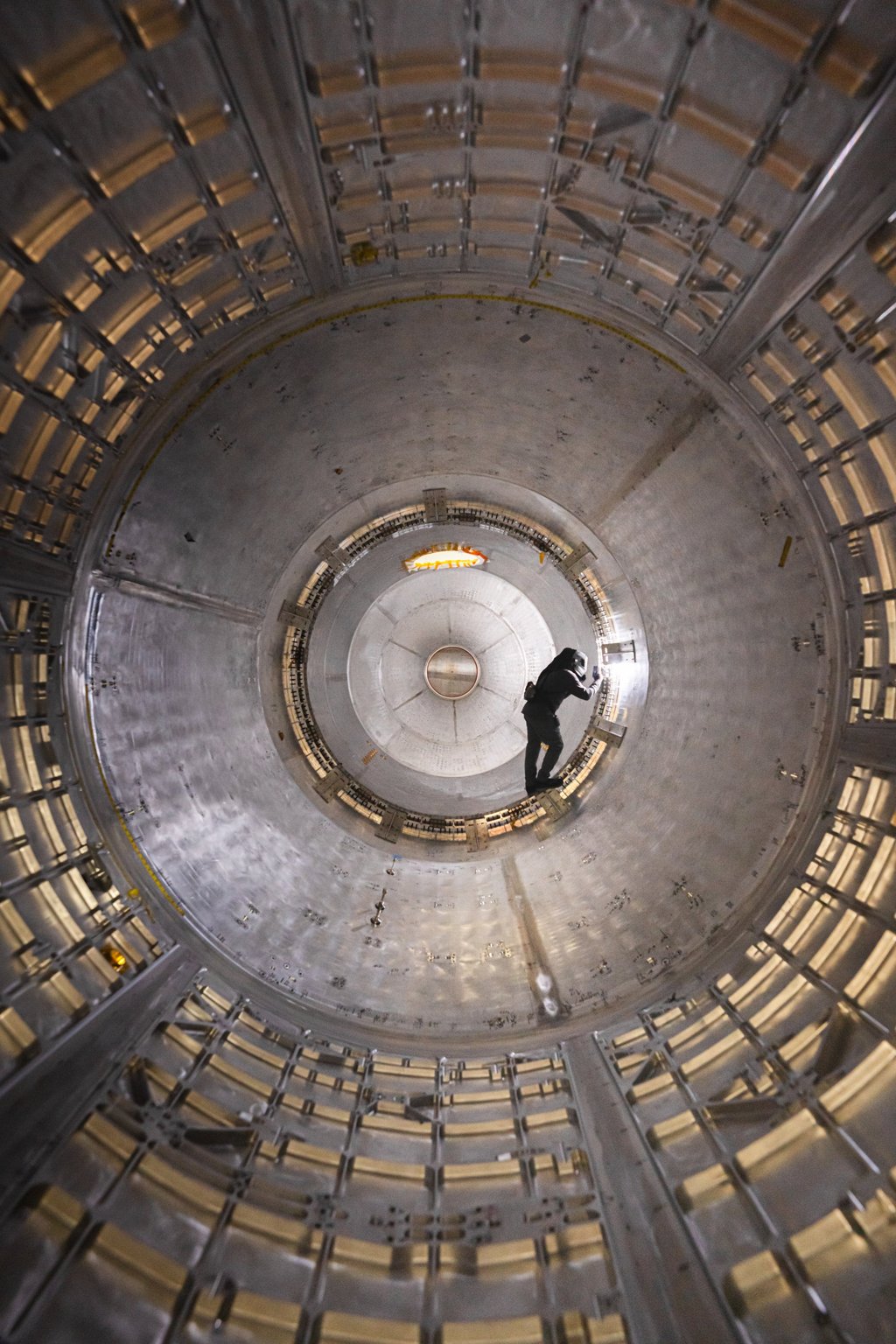
Take IWC Schaffhausen, for example, which has recently been announced as the official timekeeper of space habitation technology company Vast. The partnership centres on Haven-1, Vast’s commercial space station, which is currently in development and scheduled to launch later this decade. Founded in 2021 by blockchain pioneer Jed McCaleb, the California-based company is focused on developing artificial-gravity space stations and expanding human activity in orbit.
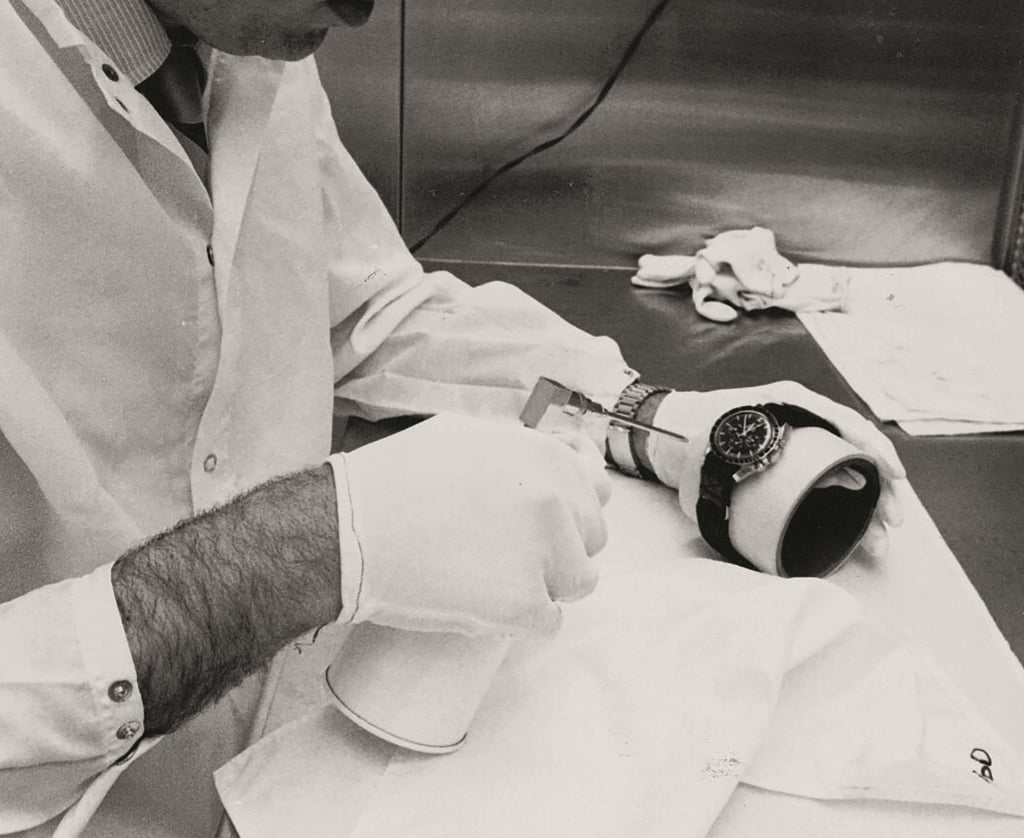
As Vast’s official timekeeper, IWC is involved in testing programmes alongside flight hardware, with its watches subjected to simulated launch vibrations and other mechanical stresses designed to replicate aspects of space flight. The collaboration focuses on how the watches’ materials and mechanics perform, with findings used to develop future IWC models.
Fortis watches have been worn by Russian cosmonauts aboard the Mir space station, and later the International Space Station, since the 1990s. Established in Grenchen, Switzerland in 1912, the brand has long focused on straightforward tool watches, prioritising legibility and mechanics capable of withstanding shocks, temperature changes and prolonged use in microgravity, an approach that led to the qualification of its Official Cosmonauts Chronograph for space flight. Today, the brand continues to develop mechanical chronographs and pilot’s watches rooted in that legacy. That includes models powered by its in-house Werk 17 movement and tested in near-space conditions, such as the Stratoliner S-41 Gravity Black, with a DLC-coated case and Super-LumiNova dial design, and the Stratoliner S-41 Reentry Edition, whose hand-treated dial displays a unique burnt-titanium finish.