Style Edit: Omega’s two-hand Constellation Observatory rewrites history

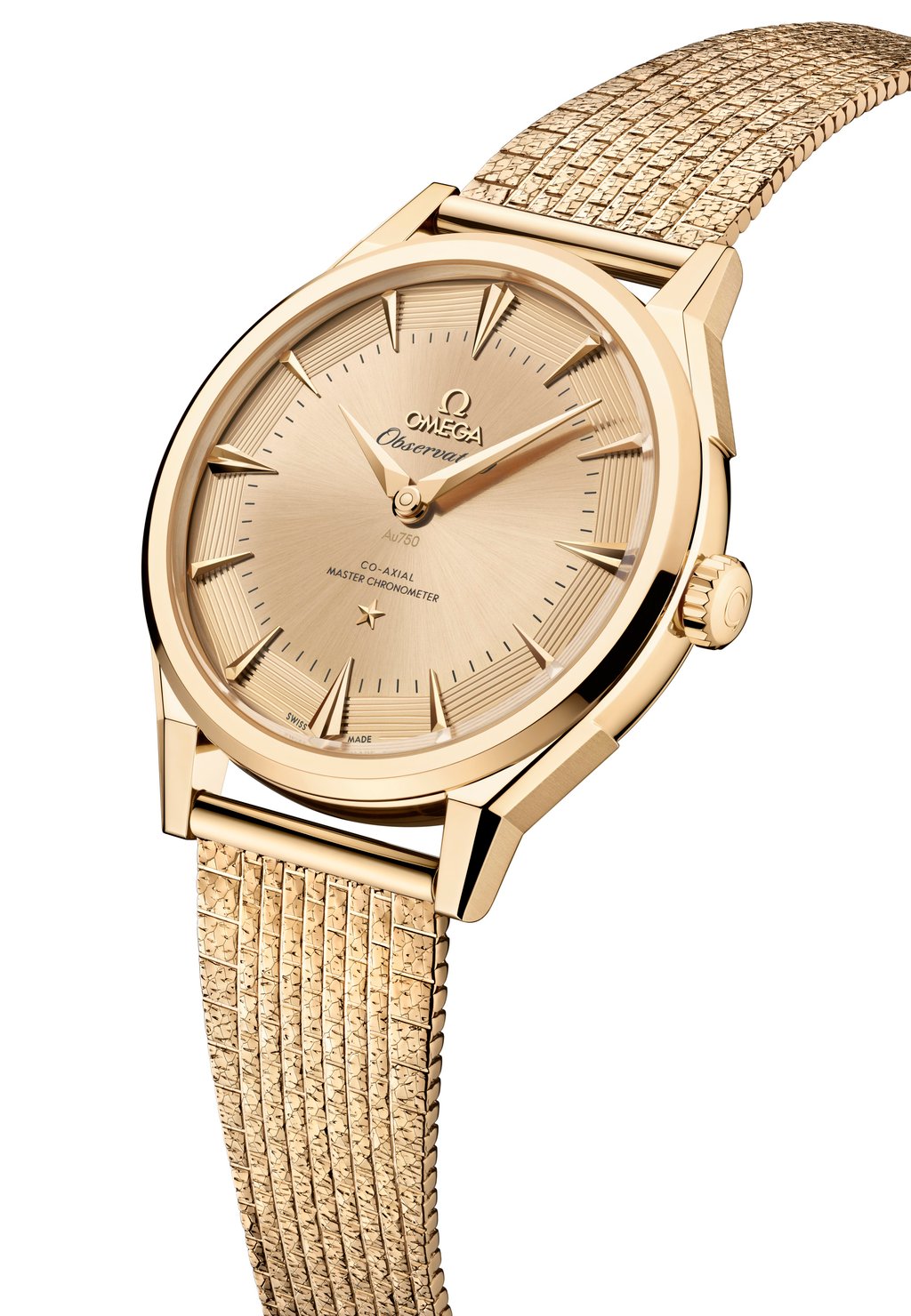
The new models, in a range of gold and steel alloys, are the first watches to attain Master Chronometer certification without a seconds hand
To obtain the coveted Master Chronometer certification – indicating that a watch has passed a battery of stringent tests, including one that guarantees accuracy greater than 0/+5 seconds a day – a watch needs to have a seconds hand. Seems obvious, right? Or at least, it was until recently – because with the new Constellation Observatory collection, Omega has rewritten horological history.
These are the first two-hand watches – they have just hour and minute hands – to reach this most exacting of quality standards.

It comes after exhaustive tests over 25 days by the Laboratoire de Précision, an independent chronometer testing lab established by Omega in 2023, and certified by METAS, the official Swiss national measurement authority.
It was a new system used in the tests, known as Dual Metric Technology, that made it possible to measure watches like those in the Constellation Observatory collection, without seconds hands, to Master Chronometer standards.
By monitoring a watch’s acoustic signature, the technology generates constant data that can be used to power extremely accurate assessments.
The latest models draw on the aesthetic of those early Constellations, from the dodecagonal pie-pan dial to the Constellation Star at 6 o’clock.