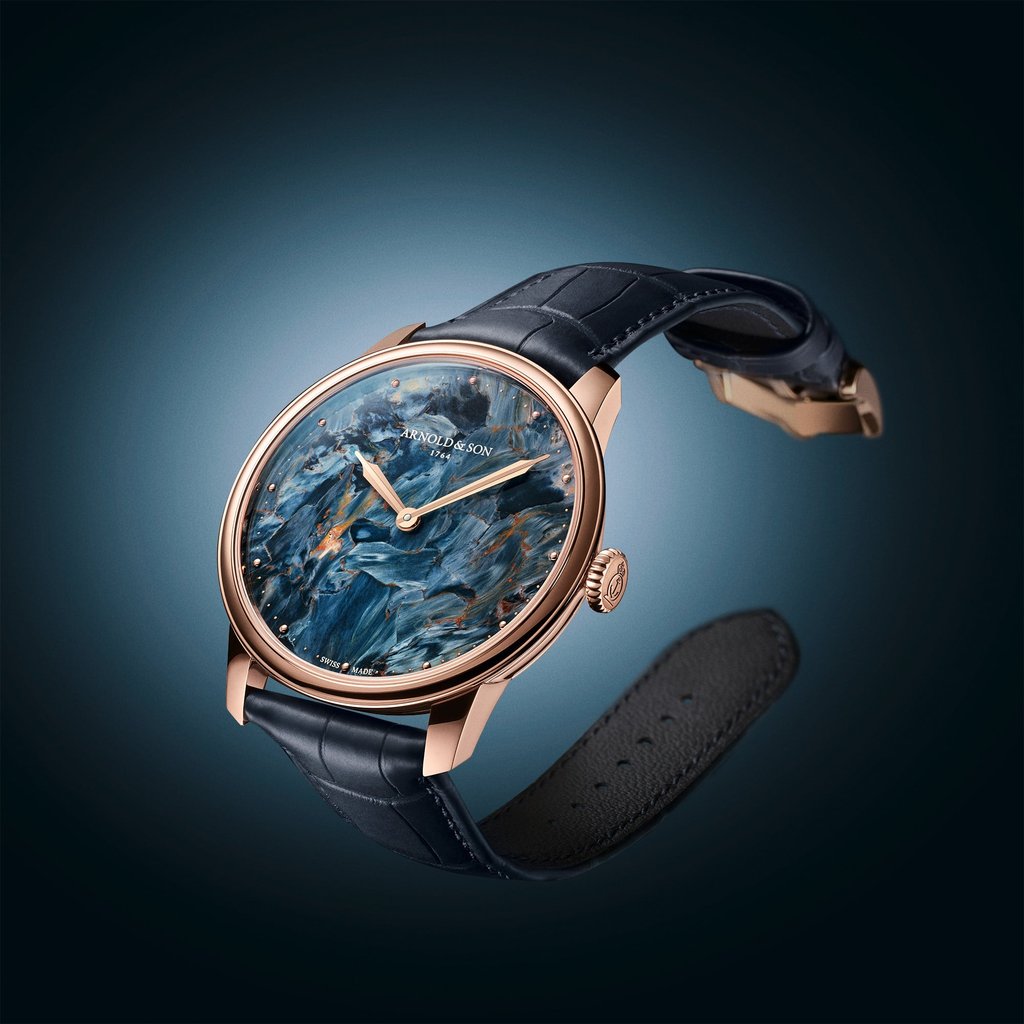
Rolex and Piaget are leading the revival of stunning stone dials in luxury watches

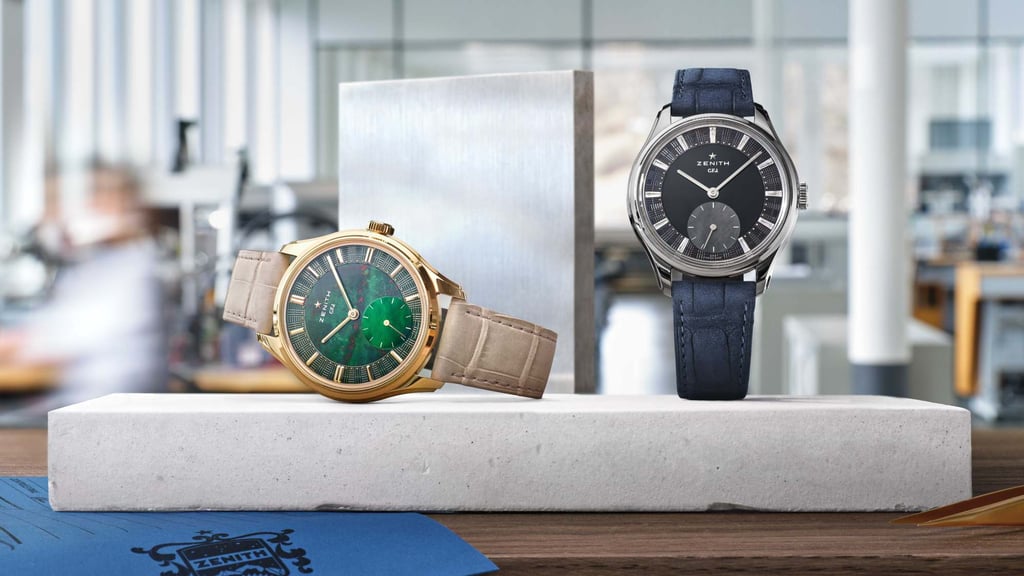
Pushing artistry and innovation, luxury brands and independent watchmakers are bringing back stone dials using opal, pietersite and lapis lazuli
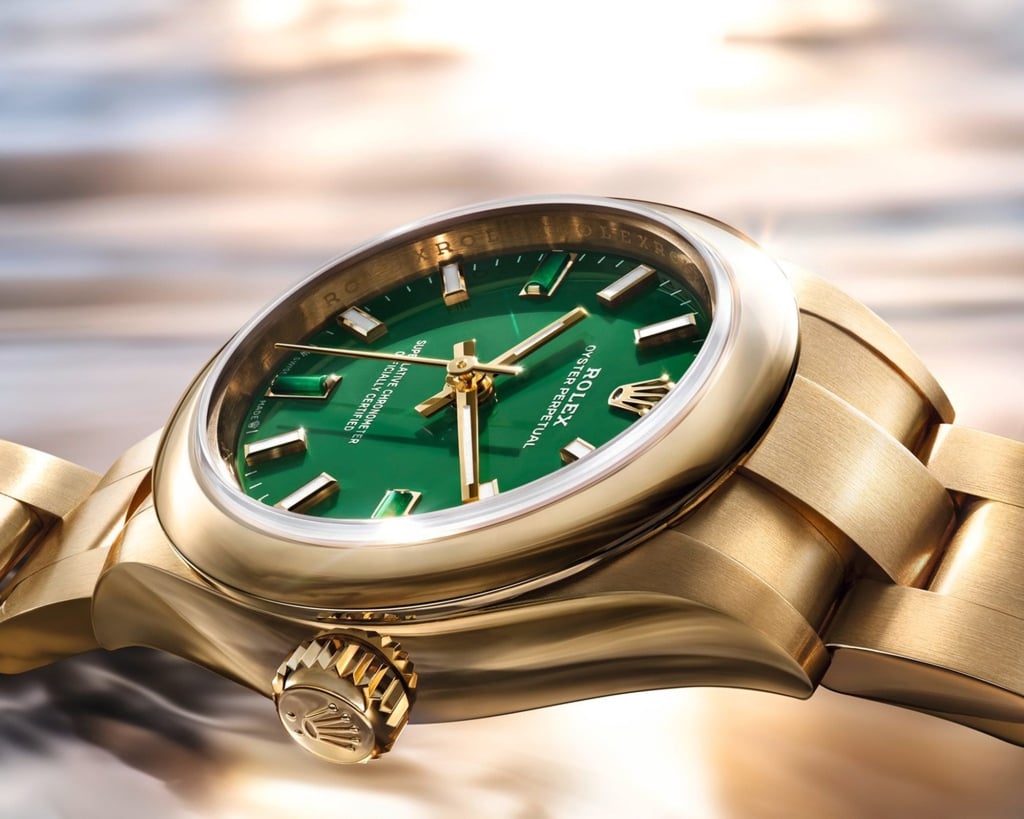
There was a time when colour on a watch dial meant lacquer, enamel, or, at best, a sunburst finish pushed to its limits. Today, the conversation has shifted – decidedly and unapologetically – towards something far more elemental. Stone dials, once a niche flourish, are now emerging as one of the most compelling ways to introduce colour with depth, texture and an undeniable sense of individuality.
Yet for all its current momentum, the roots of this movement stretch back decades. In 1966, Piaget introduced its first hardstone dials. Among its most devoted patrons was Andy Warhol, who famously owned multiple Piaget watches, often wearing the Black Tie model from 1972. These were not just watches; they were objects of cultural expression, blurring the line between jewellery, art and horology.
This renewed appetite, however, is not just aesthetic – it is deeply technical. Working with stone is, quite simply, unforgiving. Each dial begins as a fragile wafer, typically mounted on a brass base to provide structural integrity. But beyond that, every material behaves differently, demanding its own approach.
Some stones push those limits even further. Opal, for instance, contains structural water that can lead to cracks months after cutting if not properly dried. Pietersite is known to be brittle and extremely difficult to cut, leading to high failure rates.
If the technical barriers are high, the rewards – at least from a collector’s perspective – can be even higher. Vintage Rolex models with stone dials have seen dramatic appreciation. Day-Dates and Datejusts in onyx or lapis lazuli routinely command multiples of their standard counterparts, with rare examples achieving headline-making auction results. Scarcity plays a crucial role here; these dials were always produced in limited numbers, and their fragility has only thinned the surviving population.
“For a long time, the market for vintage stone dials was relatively muted,” says Ross Povey, a Rolex and Tudor expert. “There was always a dedicated following … but these were seen as niche within an already niche segment. Also, the failure rate at the manufacturing stage in the 70s was very high. [Both aspects] have changed dramatically over the past few years.
“Today, prices have accelerated sharply, especially for the more unusual materials,” he explains, pointing to coral and lapis lazuli as stand-out performers. “The ultra-rare platinum Zenith-era Daytonas, produced in just four known examples, each with a hardstone dial, have achieved extraordinary figures, while a coral dial in a white gold Day-Date can now exceed a quarter of a million dollars.