Ranking billionaires: China adds girth to the world’s richest

How ranking the world’s wealthy became a business, as billionaires are up 13 per cent
When reporter Alex Cuadros was covering Latin America for Bloomberg, his mission was to track a powerful and elusive species: the billionaire. It was 2012, and Bloomberg was about to launch its Billionaires Index as a direct challenge to the long-running World’s Billionaires list run by rival Forbes. Bloomberg reporters across the globe were charged with discovering the answer to some rather intimate questions: Who were the wealthiest people on the planet, and what, precisely, were they worth?
As it turns out, billionaires are a motley bunch when it comes to talking about their fortunes. Some decline to cooperate, and some instruct underlings to confirm basic details. Some, in all honesty or in hopes of being left alone, tell reporters they’re not actually worth all that much. And then there are those like oil-and-mining magnate Eike Batista, who back then was valued at US$30 billion but felt he was worth much more. He sent Cuadros proof of his assets - the US$42 million yacht, the three jets worth US$84 million - and then called the reporter personally to talk up the value of a gold mine, and to warn Cuadros that he was going to look “very foolish.”
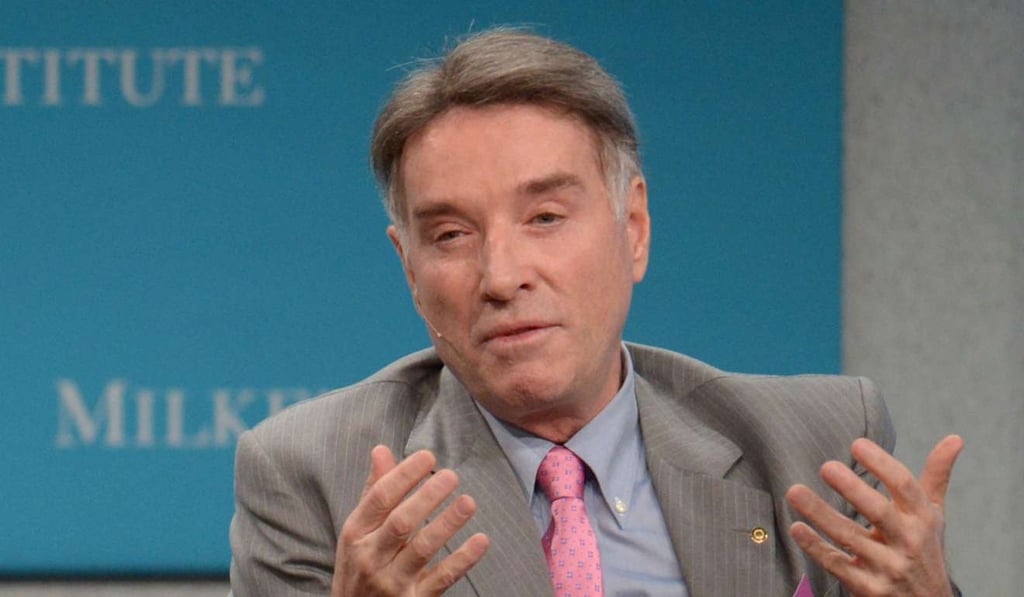
“The biggest reason for a billionaire to tell us that we’re too low is ego,” says Cuadros, who wrote a book called “Brazillionaires” about his time tracking the wealthy. “The self-made billionaires are all people who are empire builders. ... They’re on a quest for continual expansion, so that number matters to them.”
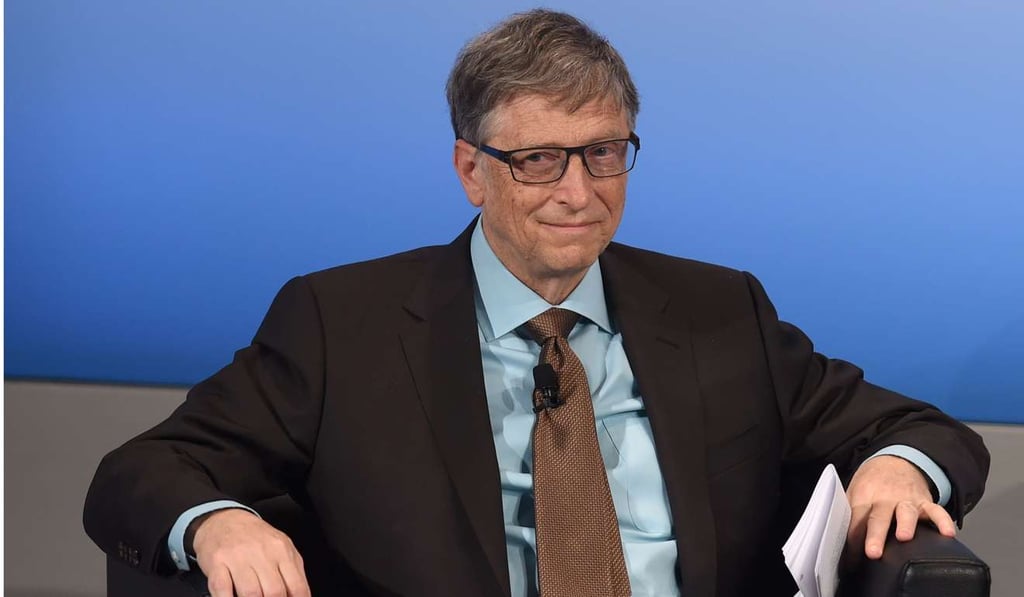
That number matters to them - and to us. Over the past few decades, as concern over global wealth inequality has grown, so has the number of lists ranking the wealthy, which the public consumes avidly. We want to know who’s No. 1 (Bill Gates, still), how the richest person in China made all that money, and whether Mexican business magnate Carlos Slim is still bleeding billions. These fortunes are cause for admiration, loathing and, most of all, fascination - especially now, when we’ve elected a billionaire president who is himself consumed by his Number.
“I think there’s something about America having embraced entrepreneurism and hard-knocks stories and success in general that serves as the bedrock for why this started,” says Luisa Kroll, a global wealth editor for Forbes, which has defined the modern-day rich list.
When the late Malcolm Forbes started his magazine’s list of the 400 richest Americans in 1982, it was thick with old-money names like Hunt, Rockefeller and du Pont. Forbes came from money, and his attitude toward wealth was admiring and uncomplicated: His list was a celebration of capitalism. Staff members took a year to compile it, combing through Securities and Exchange Commission filings, oil well records, wills, trusts and deeds. Some of the wealthy cooperated, while others called the magazine “cheap” and “low-class” and threatened to sue. Back then, according to the wealth-chronicling book “All the Money in the World,” the poorest on Forbes’ list had to have at least US$75 million. (By 2006, only billionaires were making the cut.)
Shortly after that debut, Malcolm Forbes was surprised to discover that his own father, B.C. Forbes, who’d founded the magazine, had published a short-lived rich list back in 1918. Subsequent reporting by Forbes magazine found that rich lists in America date at least as far back as 1845. The names on one New York City rich list included showman P.T. Barnum and some guy with the old-timey occupation of “tallow chandler” (a.k.a. candle maker).