Diamond miners encouraged by new sources of high-end stones

Drought of large diamonds ends in Lesotho, as Canadian firms ponders developing fancy yellow mines, and Namibia’s offshore searches now paying off
For years Letseng was the only mine in the tiny southern African kingdom of Lesotho, where yield is low but stones are large and of incredible quality.
Due to the tough terrain – the whole country is above 1,000 metres and Letseng is the world’s highest mine at an altitude of 3,100m – mining firms have been reluctant to venture there. But as the government seeks to boost its economy through diamond production, four new mines were announced last year.
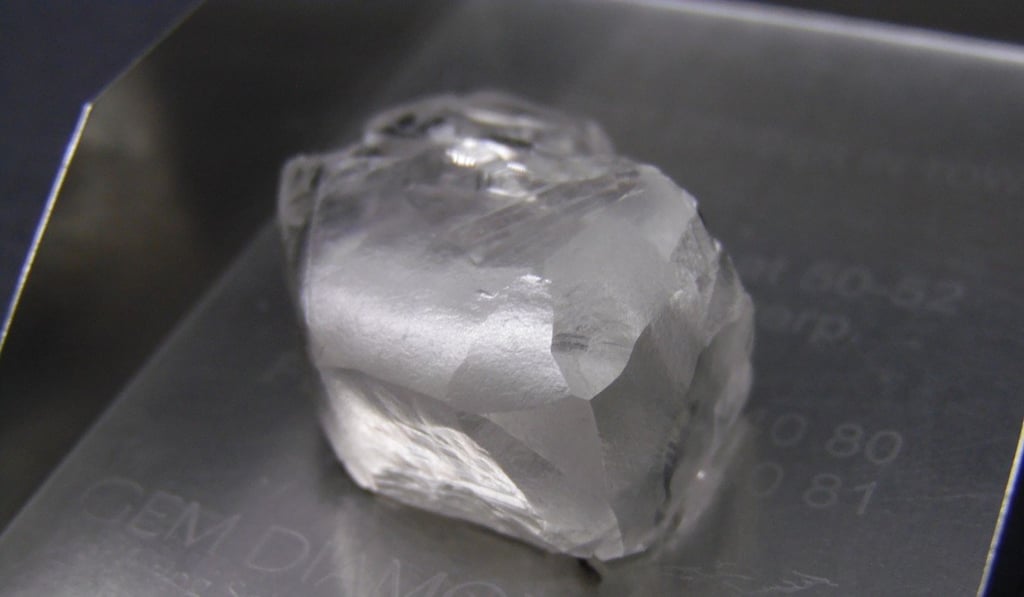
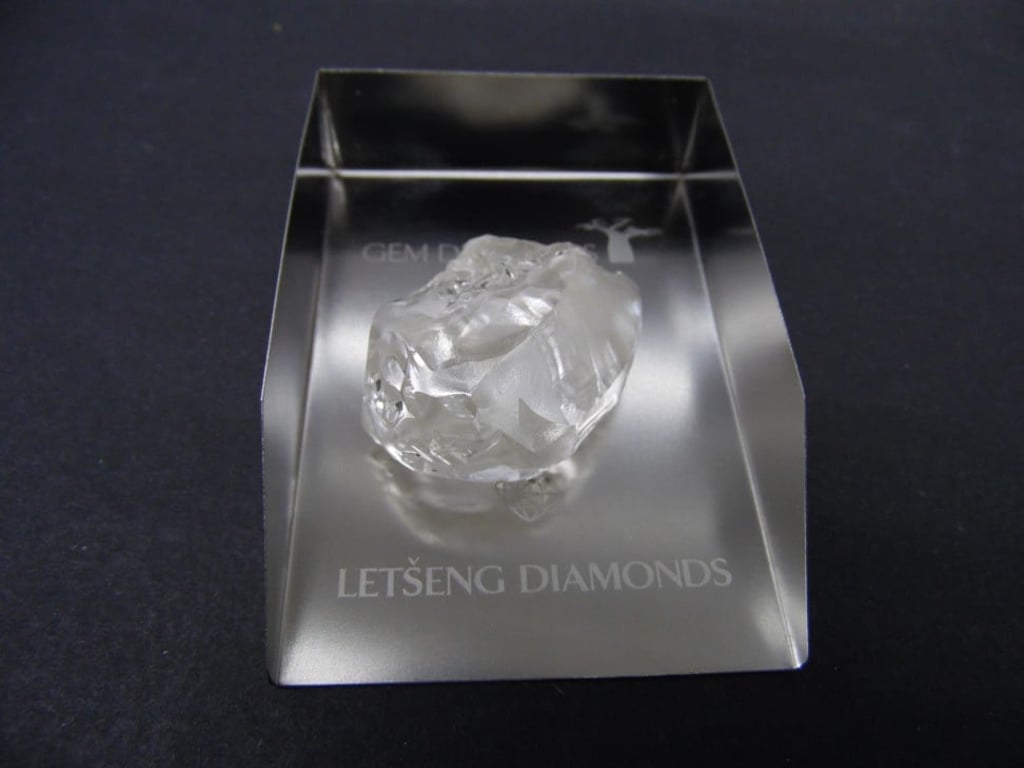
Since April, the country has produced five exceptional stones, including two yellow diamonds – the smallest an 80ct, D-colour Type II and the largest a 126ct, D-colour Type IIa. Type IIa diamonds are the purest and most expensive due to their great transparency owing to the absence of nitrogen molecules that cause yellow or brown tints. They form only 1 to 2 per cent of all uncovered diamonds and command a 5 to 15 per cent premium.
Lebohang Thotanyana, Lesotho’s mining minister, told Mining Weekly last year the country aimed to be a leading diamond producer and was improving its legal framework to meet international standards in environmental protection and health and safety to ensure the long-term sustainability of the industry. “We want to increase Lesotho’s diamond production from its current 350,000 carats per year to about 1.5 million carats a year over the next two years,” he said.
We want to increase Lesotho’s diamond production from its current 350,000 carats per year to about 1.5 million carats a year over the next two years
Meanwhile, Canada, one of the world’s largest producers of white diamonds, is showing signs of also producing fancy yellow and orange diamonds.
Canadian exploration firm North Arrow Minerals is reassessing its Naujaat project, which sits on the largest diamondiferous kimberlite pipe in the eastern Canadian Arctic.
The company’s initial mini-bulk sample, from 2014 to 2015, showed disappointing results in diamond carat, and its attention in the project waned until the diamonds were polished. Then the stones were awarded “fancy vivid” – the most desirable grade for coloured diamonds – making the company rethink the value of developing the area.
Last June, North Arrow announced a C$3.2 million (HK$20.7 million) drilling programme in the highest grade phase of the deposit to better understand diamond distribution and characteristics in Naujaat. It hopes to improve confidence in diamond values, and a larger bulk sample is planned for 2018.