Hawaiian paradise up for sale – for US$260 million

Thirty-five per cent of Hawaii’s Molokai Island is for sale, with 20 miles of undeveloped beaches. But let the buyer beware...
Anyone who spends US$260 million on a property could reasonably expect to do with it as they please. Potential owners of Molokai Ranch, a 55,575-acre tract on Hawaii’s Molokai island, however, might quickly discover that a quarter-billion dollars doesn’t necessarily buy you the right to do what you want.
The ranch occupies roughly 35 per cent of Molokai, Hawaii’s fifth-largest island. The property sits on the island’s western end and includes lush pastureland, tropical rainforest, two towns, and more than 20 miles of private beach. There are two resorts on the ranch, along with an extant (and operating) agricultural and cattle business. More than a ranch, the property represents the possibility to become a wealthy buyer’s vast, private, Eden.
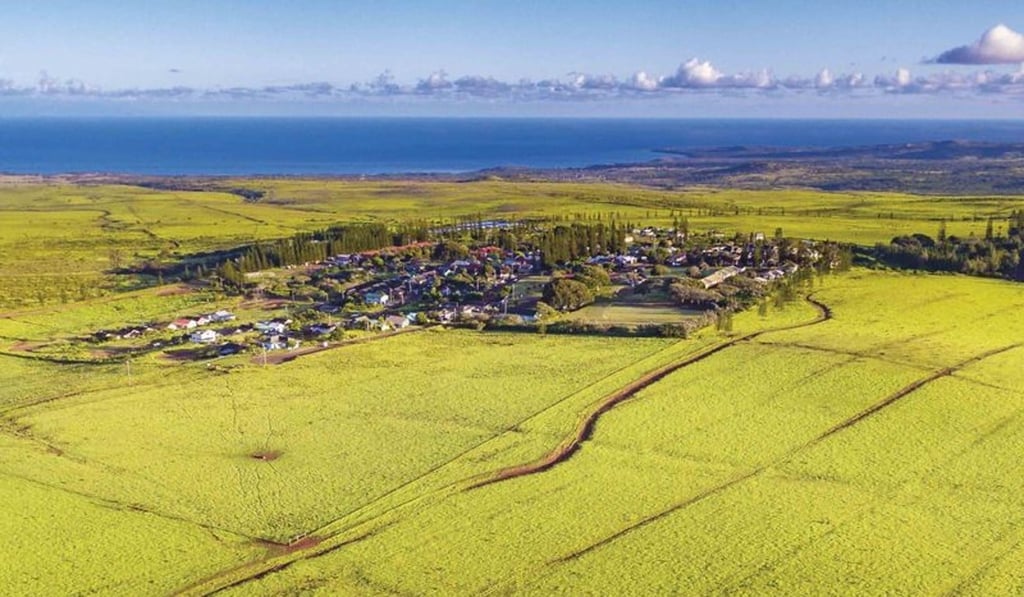
Except there’s a hitch. “We have a very strong activist community on this island,” said Richard (“Rikki”) Cooke III, an island resident and descendant of one of the ranch’s first owners. “They don’t want change, and they don’t want outsiders.” Should an ambitious developer purchase the ranch and its miles of pristine white beaches, “they’d never have a chance on this island,” he said confidently.
How it started
To understand the origins of the saga currently unfolding on Molokai, it helps to start with the ranch’s origins. The tract began as a sheep ranch owned by the Hawaiian royal family, but when that dynasty’s last surviving member died in 1884, her lands (numbering hundreds of thousands of acres across Hawaii’s islands) were transferred into an estate. A few years later, the estate sold the land on Molokai to a group of Hawaiian businessmen who began to turn it into a sugar plantation. A decade after that, one of those businessman, Charles M. Cooke, bought out his partners and officially founded Molokai Ranch.
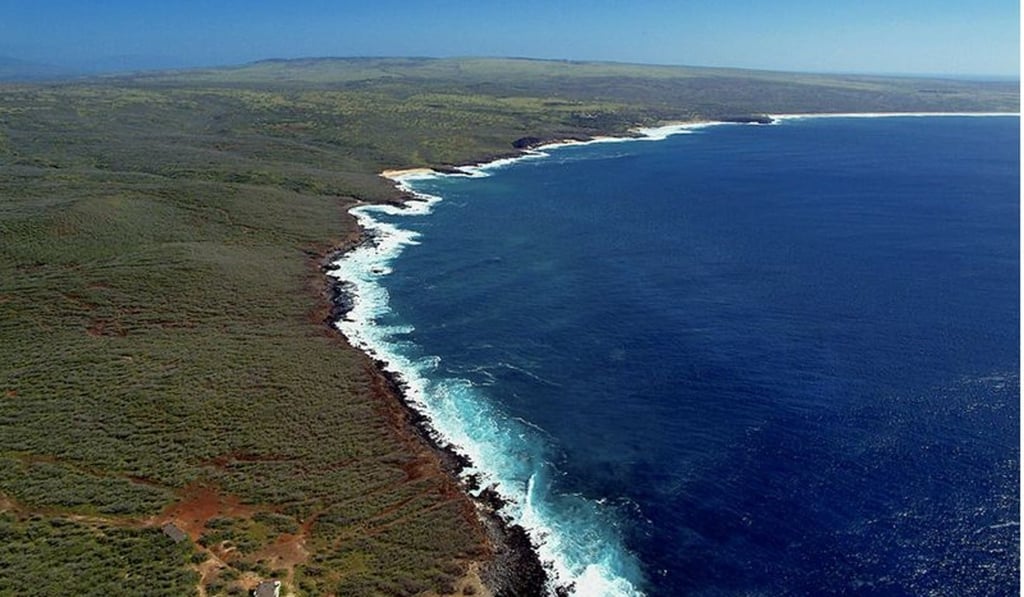
Relatively soon after embarking on the sugar plantation mission, however, its new owner discovered that pineapples “grew beautifully” on the island. According to the aforementioned Rikki Cooke, his ancestor Charles duly pivoted, shipping in hundreds of labourers to harvest pineapples. “It’s very difficult work,” said Cooke. “To pick the pineapples meant walking through cactuses, with bugs everywhere, and the pineapples themselves had points that could cut you.”
Despite the back-breaking, hazardous tasks, employees came to stay on the ranch, and the Cooke family occupied a sort of benign, feudal position: They built a town, owned a bank, invested heavily in infrastructure and tourism, and funded virtually every civic building on the island.
“When someone was hired by Molokai Ranch, they were hired for life,” said Cooke. “It was a much closer community at that point.”