Tesla wants to build new charging stations with food and coffee

Tesla is planning to build more retail-and-lifestyle focused “Mega Supercharger locations”. This might tempt the company to partner with the Amazons and Starbucks of the world. That would be a big mistake.
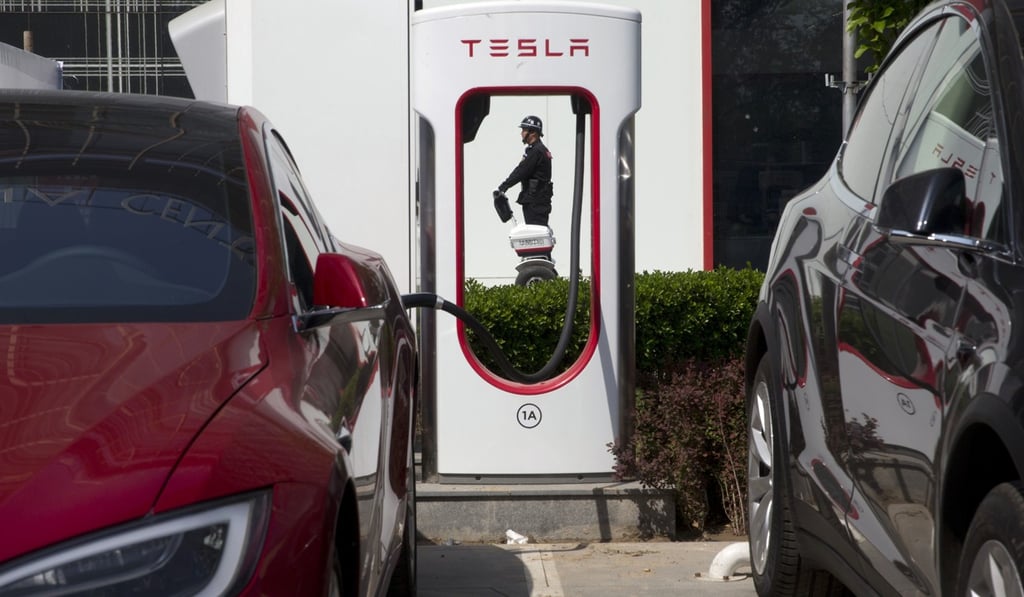
As Tesla expands its Supercharger network, the carmaker intends to up its game, building higher-end, retail-rich locations that CEO Elon Musk has called “Mega Superchargers” but that we’ll call just Megachargers.
CEO Elon Musk has speculatively described them as “like really big supercharging locations with a bunch of amenities,” complete with “great restrooms, great food, amenities” and an awesome place to “hang out for half an hour and then be on your way.”
The move makes sense. Superchargers are currently located through the US and other countries, providing the fastest rate of recharging available to Tesla owners. The station can have varying numbers of charging stalls, however, and they aren’t always located in the best areas for passing the time while a Tesla inhales new electrons, although Tesla typically tries to construct them near retail and dining options.
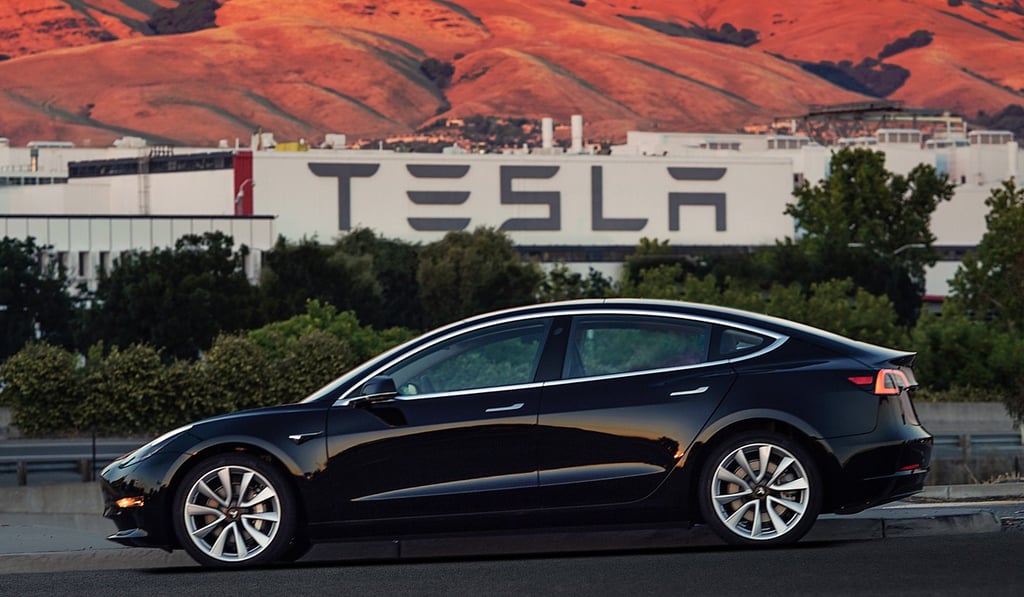
With more Tesla hitting the road in coming years as more and more Model 3 sedans are delivered (Tesla has about 500,000 pre-orders for the car, priced from US$35,000-US$44,000), additional Superchargers will be needed. Creating stand-alone Megachargers that function sort of like Tesla stores would enhance the ownership experience – and open new opportunities to the company.
At Business Insider, when we heard about the Megachargers, a discussion broke out. Should Tesla partner with Amazon or Starbucks to develop these locations, offering great shopping, food, and above all else ... coffee?
Bring on the Tesla Brew
I insisted, “NO NO NO!”
There’s no way that Tesla can blow the chance to create its own coffee. They could call it “Elon’s Blend” – bold, complex flavours, with a hint of, um, musk.
In all seriousness, for Tesla to share its Megacharger commerce might sound great, but it wouldn’t fit with the company’s plan to move toward greater vertical integration, owning not just the entire manufacturing process for its cars but also controlling its brand experience from top to bottom.
A recent example of Tesla’s reluctance to partner for the sake of partnering was the announcement that the carmaker could be working on its own streaming service. There are other instances that aren’t as obvious. Tesla’s audio system is an in-house design, a departure from what most luxury carmaker do, which is joined with a well-known premium audio brands such as Bose or Bowers & Wilkins.