Former coal baron Massey’s Virginia Mansion is on the market - at a discount

The fourth generation of the Massey family has put a 16,000-square-foot mansion on the market
Ever since A.T. Massey founded a coal company in 1920, the Massey family has been a fixture of the Richmond, Virginia, area.
By 2011, Massey Energy had grown into the largest coal company in the Central Appalachian region, and was sold to Bristol, Virginia.-based Alpha Natural Resources Inc. for US$7.1 billion in cash and stock. (Alpha filed for bankruptcy a year later.)
William Massey, A.T.’s grandson, was, for many years, the corporate secretary, says Blair Massey, William’s son and a member of the family’s fourth generation. Despite the family pedigree (not to mention the family fortune), “we grew up pretty modest,” Massey says.
It was only after the family sold the company in the 1970s to St. Joe Minerals Corp that his father’s lifestyle changed. “Probably because, until the company was sold, the stock had no value,” Massey says. “So they had these shares in the company business, but a lot of the growth in the company took place after it was sold.”
In the early 1980s, though, the elder Massey, who by then was married to his third wife, decided it was time to raise the bar. “This was to impress her,” Blair Massey says, “though he was probably more into it than she was, I think.”
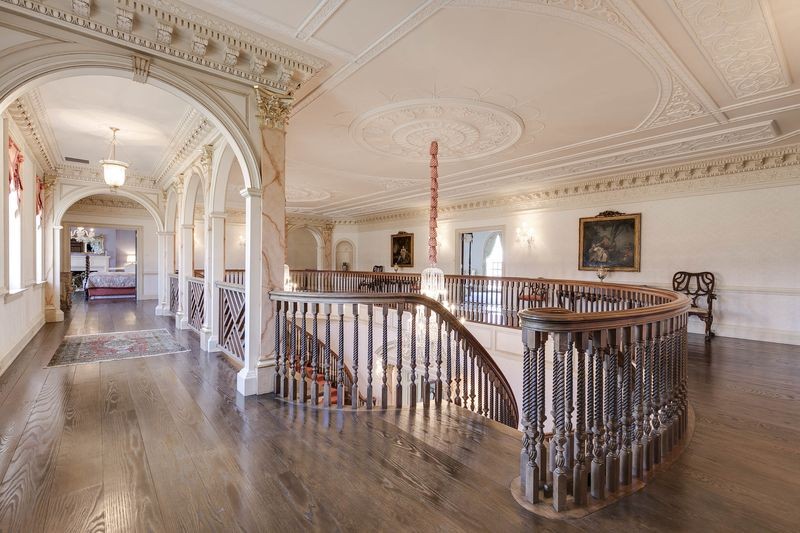
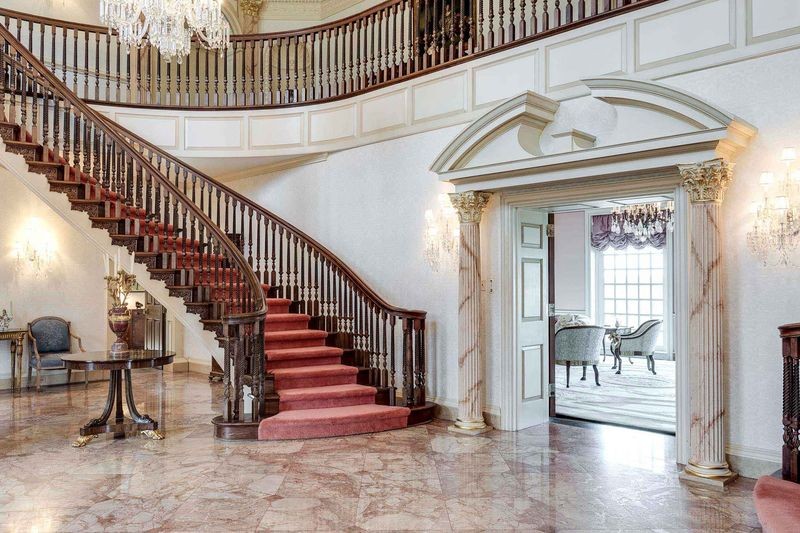
He bought six lots in a wealthy subdivision about 40 minutes outside Richmond – a little more than two hours’ drive from Washington – and set about building a 16,000-square-foot (4,876m), ‘Georgian Revival’ mansion on 61 acres (24.7 hectares) that overlooked the countryside and the James River.
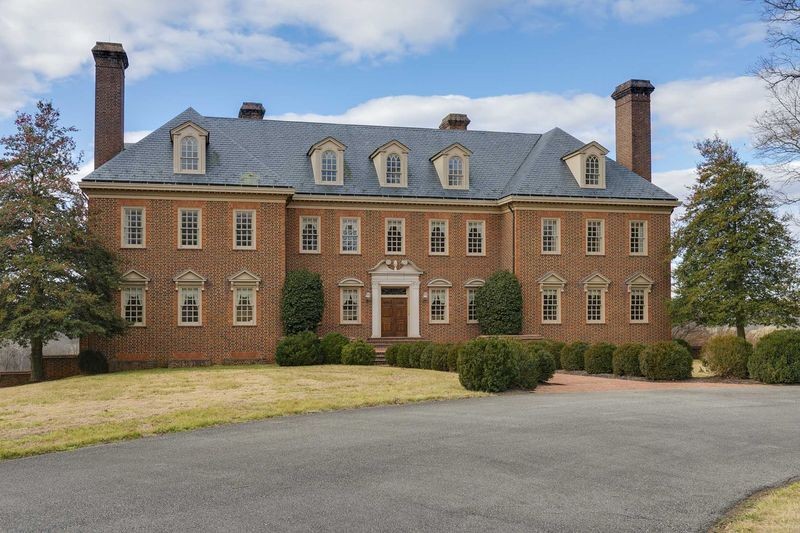
“It’s the most beautiful view in Richmond,” Blair Massey says. That view is complemented by the railroad tracks that snake along the riverside; those tracks carried – and still carry – trains loaded with coal. “He used to count the trains coming by,” he says, noting that the location near a rail line was serendipitous. “He didn’t [build the house] because of the trains; it was for the location,” he says. “The trains were an added bonus.”