Asian filmmakers head stellar cast at fresh, nervy and unpredictable Cannes Film Festival

China’s Bi Gan, Wang Bing and Jia Zhangke head a formidable Asian presence at this year’s Cannes Film Festival
With the banning of red-carpet selfies, a bitter renewal of last year’s heated Netflix debate and more intense discussion than usual over how many female directors would be selected for competition, it was shaping up to be a dramatic year for the Cannes Film Festival even before its official selection line-up was announced.
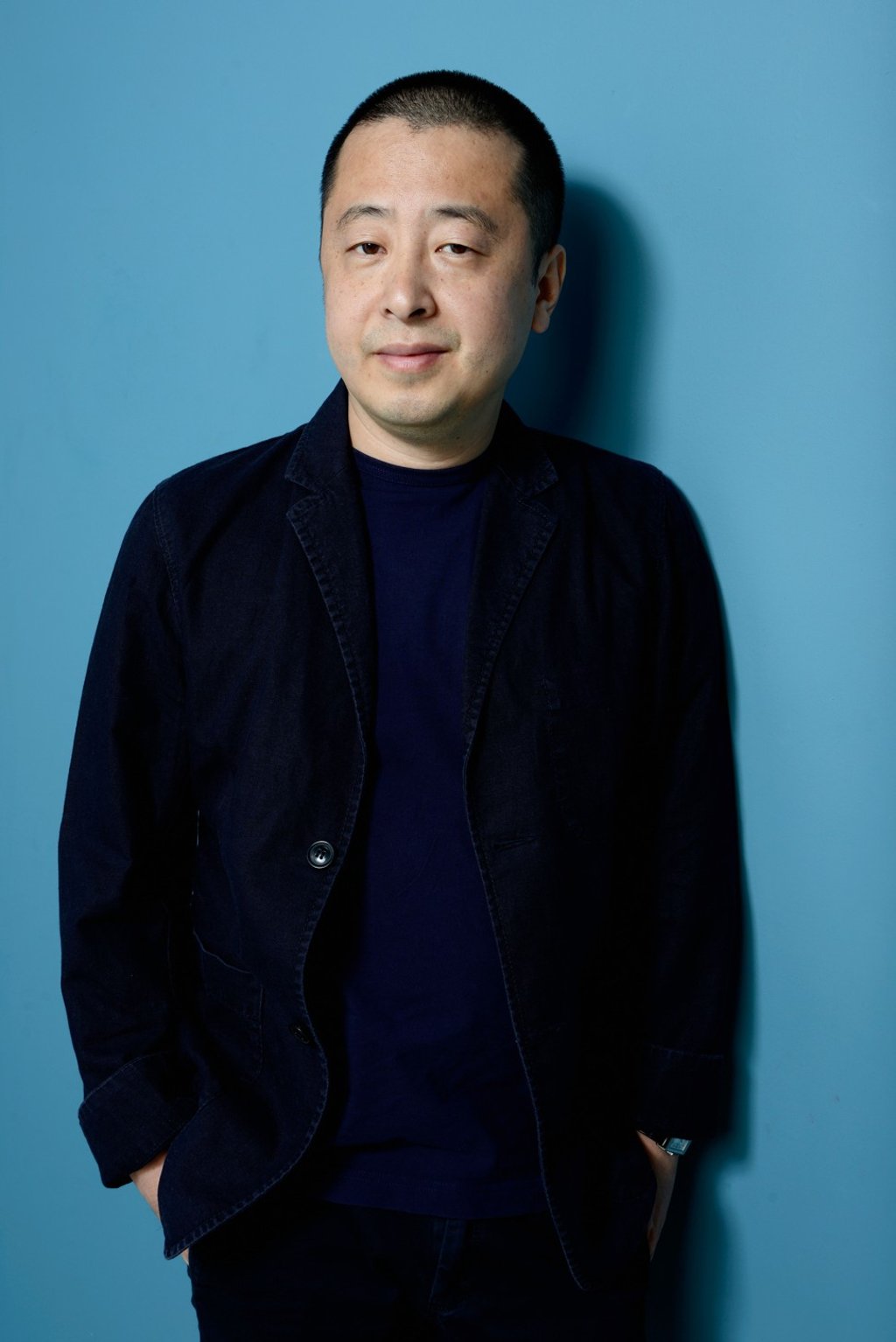
Asian filmmakers are well represented across the board: South Korea’s Yoon Jong-bing will receive a Midnight Screening of his thriller The Spy Gone North; Thai directors Apichatpong Weerasethakul, Aditya Assarat, Wisit Sasanatieng and Chulayarnon Sriphol will get a Special Screening of their compilation film 10 Years in Thailand; China’s Bi Gan will bring his noirish thriller Long Day’s Journey Into Night to Un Certain Regard; and his countryman Wang Bing will get a special screening for the eight-hour-plus documentary Dead Souls.
The Palme d’Or competition isn’t entirely devoid of familiar faces. The French master Jean-Luc Godard hasn’t attended the festival in years, but has been consistently represented in the line-up, most recently winning a prize for 2014’s Goodbye to Language. His new competition entry, The Image Book, is a five-part essay film exploring the modern Arab world. Its presentation coincides with the 50th anniversary of the tumultuous events in France of May 1968, when Godard and his fellow revolutionaries brought that year’s Cannes festival to a screeching halt.
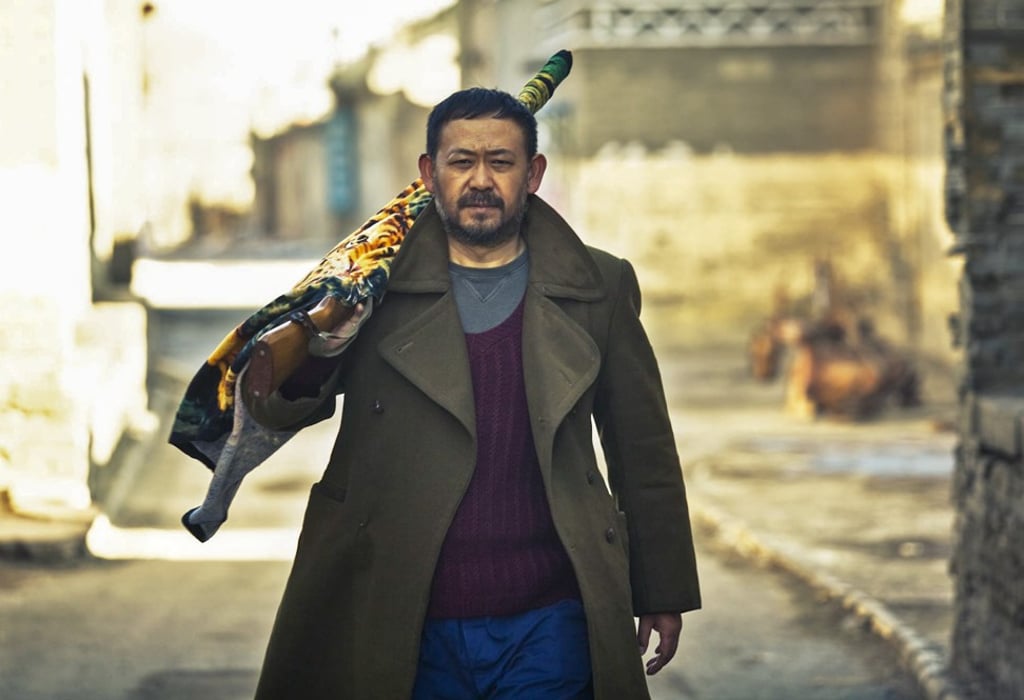
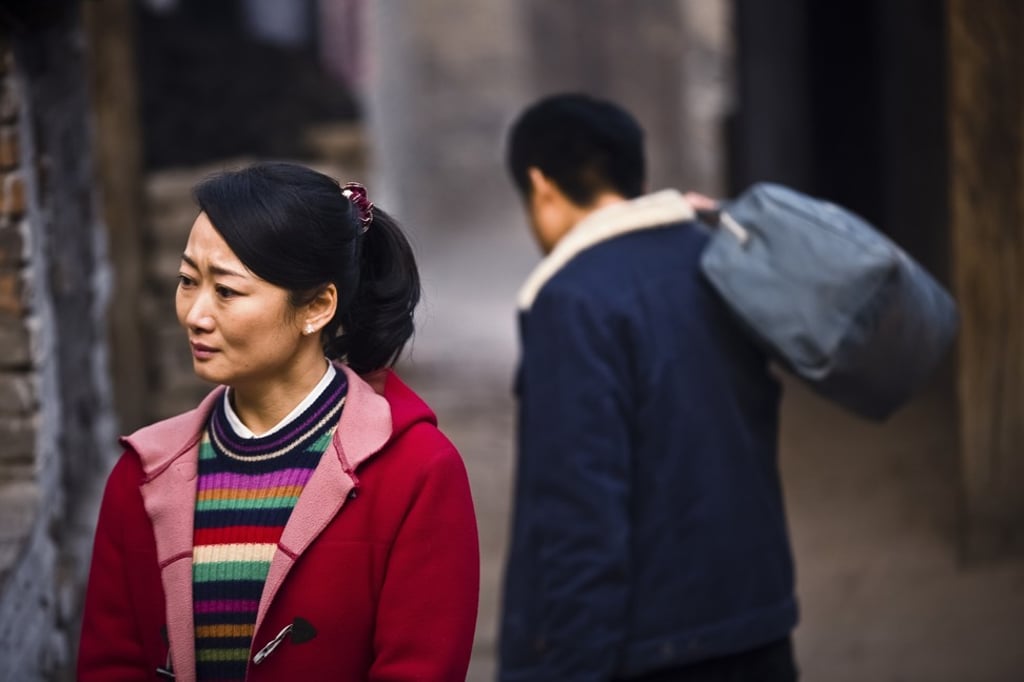
Other significant auteurs returning to competition this year are South Korea’s Lee Chang-dong (Poetry) with his Haruki Murakami adaptation, Burning; China’s Jia Zhangke (A Touch of Sin) with the gangland love story Ash Is Purest White; and Japan’s ever-prolific Hirokazu Kore-eda with Shoplifters, about a family of small-time crooks who take in an orphan child. Along with the Panahi and Hamaguchi selections, it’s an especially strong year for Asian directors In Competition.
Among other notable trends and precedents, Wanuri Kahiu’s Un Certain Regard entry, Rafiki, is billed as the first Kenyan feature to play Cannes. Also premiering in that programme is the South Africa-set The Harvesters, Etienne Kallos’ drama about a sheltered Afrikaans teenager whose parents bring home an orphan.
For those who hoped Cannes would shake things up further still with its freshest, nerviest, most unpredictable slate in years, the festival did not disappoint.