Forget the Rolexes and Bugattis, it’s all about education and health for today’s super wealthy

Flash is passé for today’s ultra-high-net-worth crowd, who prefer to spend money helping their children climb the social ladder and make connections
Owning a Louis Vuitton handbag, multimillion-dollar Italian Bugatti supercar, or shiny Rolex has always been a marker of elite status.
Yet such flashiness is becoming less ubiquitous among the ultra-high-net-worth crowd.
They are spending more than ever before on security and privacy – trading in hilltop houses for homes in hidden neighbourhoods invisible to the prying cameras of Google’s online street view.
And in an era where mass consumption means both the upper class and middle class can own the same luxury brand, the rich are foregoing material goods to invest in immaterial means as a way to signify status.
It is what author Elizabeth Currid-Halkett called inconspicuous consumption in her 2017 book The Sum of Small Things: A Theory of an Aspirational Class.
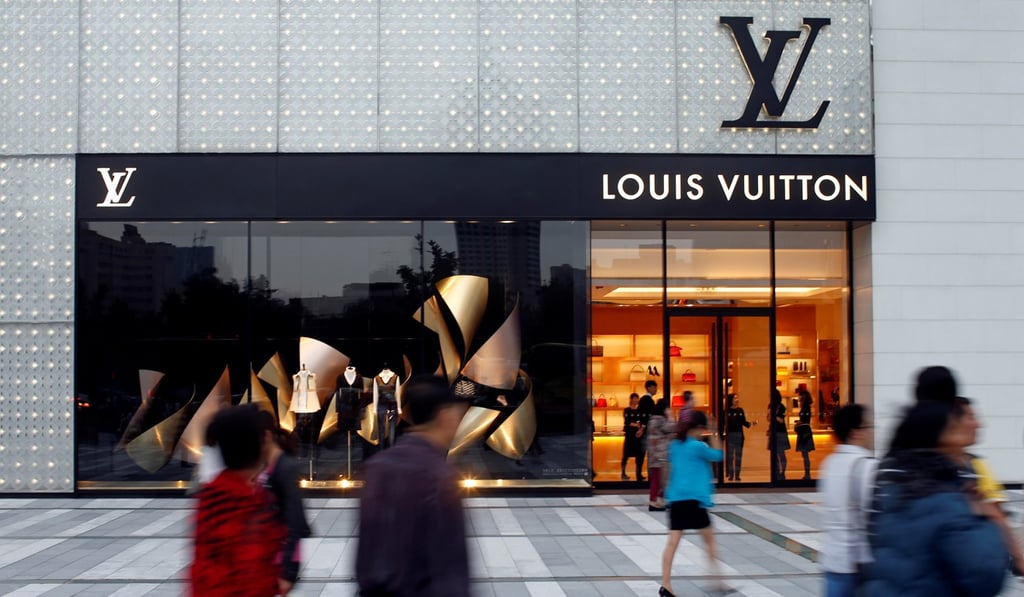
It is the opposite of “conspicuous consumption” – a term conceived by American economist Thorstein Veblen in his 1899 book, The Theory of the Leisure Class.
It focused on the evolution of the affluent classes of society, and refers to the concept of using material items to signify social status. At that time, silver spoons and corsets were markers of elite social position.
Today, driving a luxury car, for example, shows that a person can afford to drive a car that others may admire; this admiration comes not from the car’s ability to get the job done, but from the visible sign of wealth it provides.