‘A Christmas Carol’ author Charles Dickens’ descendant on the origins of Christmas traditions

It was during Victorian times in Britain that Christmas became a national holiday, and the author’s seasonal short stories and books ushered in many of the traditions associated with the festival
For many of us, Christmas is that special holiday of the year when we decorate a tree, send out cards, give gifts and spend Christmas Day overindulging in traditional food and drink including mince pies and fruit cake.
But Christmas has not always been a public holiday; before the mid-1800s, it was primarily a religious celebration enjoyed by the wealthy. It was during Victorian times in Britain that Christmas became a national holiday and that many of the traditions we follow today became associated with the festival.
If there is one figure who shaped Christmas as we know it today, it is the author Charles Dickens. His seasonal short stories and books, and particularly his novella A Christmas Carol published at the height of his popularity in 1843, were wildly fashionable.
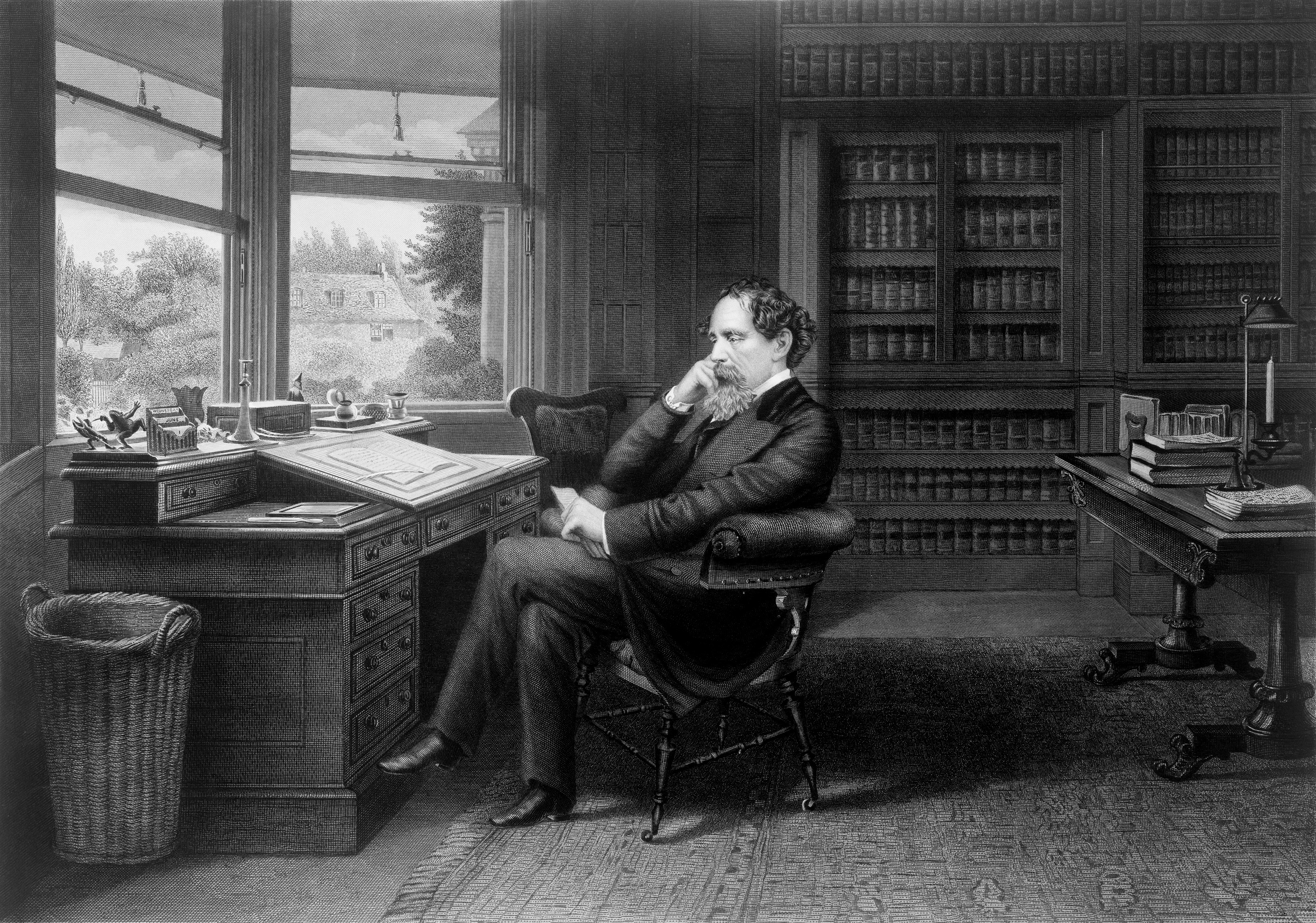
“A Christmas Carol popularised Christmas,” says Lucinda Hawksley, a great-great-great-granddaughter of Dickens, whose book, Dickens and Christmas, was published by Pen and Sword last year. “You could say he created the template for how Christmas is celebrated in England, and now in many places around the world.”
Dickens, who struggled with poverty as a child only to become the most adored and influential writer of his time, wrote A Christmas Carol to “strike a sledgehammer blow on behalf of the poor man’s child”. The tale tells of elderly miser Ebenezer Scrooge, who, after being visited by the ghost of his former business partner and the spirits of Christmas Past, Present and Yet to Come, learns the wisdom of kindness.
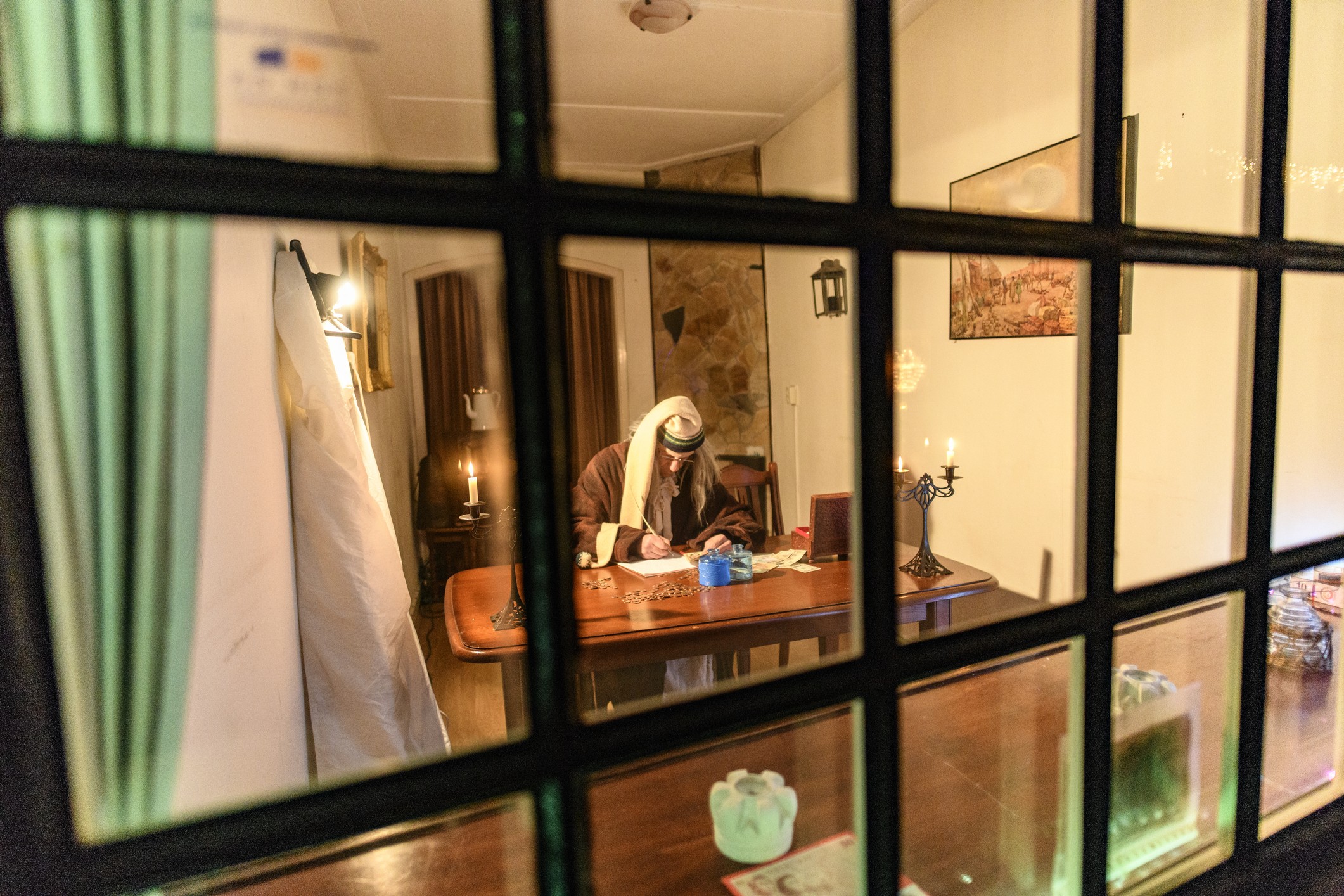
The story did indeed affect the lives of average Britons. Christmas was originally celebrated as 12 days, starting with Christmas Eve and running until Epiphany, or Feast of the Three Kings, on the 12th night. It was not a public holiday.
“Before Dickens, Christmas was not a celebration for all. Servants, for example, had no time off, and in fact probably worked harder than ever,” says Hawskley.