Why collectors of Chinese art ‘should focus on contemporary works and calligraphy’

Expert collector offers tips to those who plan to invest in Chinese art
Swiss art connoisseur Uli Sigg began to assemble his Chinese art collection from around 1994 when there were few other buyers and even a thousand dollars was a substantial amount to spend. No national institution was systematically documenting developments in Chinese art, so he set out do that job himself, even purchasing works that did not appeal to him.
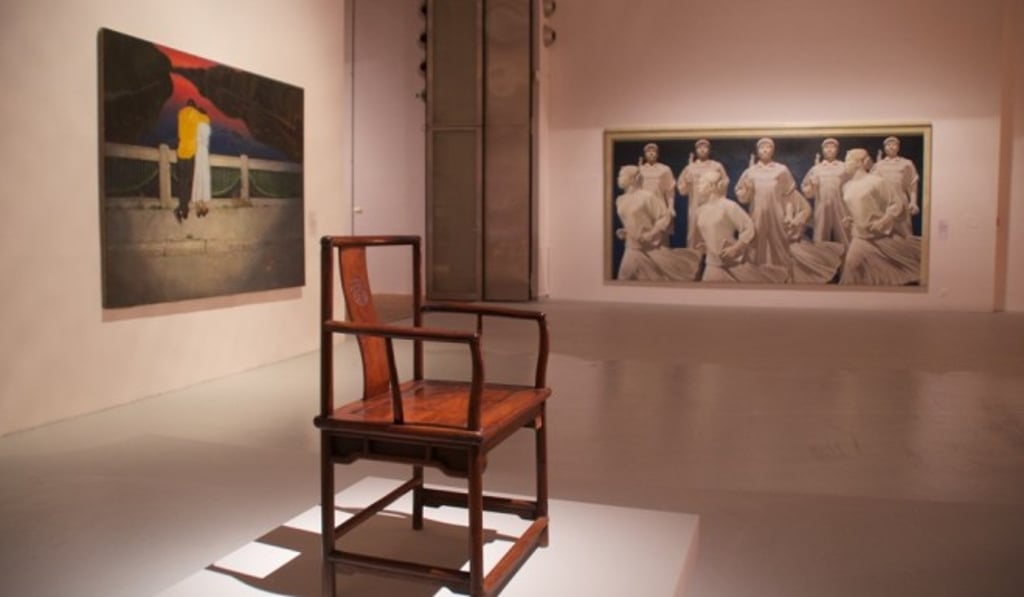
“It didn’t cost anything,” he remarks. “Otherwise I couldn’t have acquired this collection.”
Yet in 2012, Sotheby’s conservatively valued the 1,463 works he donated to Hong Kong’s M+ Museum at US$160 million. He sold a further 47 works to the gallery for US$23 million.
But when it comes to investing in cash in Chinese canvasses, Sigg warns about the value of his advice.
“I’ve disappointed many Chinese because they said, ‘You’re a genius – you saw this coming.’ And I said, ‘No, to be honest, I did not.’
“No one ever believed this art would appreciate in value. Actually, the people in China and in the West thought you were totally crazy to spend your money on this stuff, including me.”
The circumstances that allowed his collection to increase in value by perhaps 50 times will never return. He now buys simply what appeals to him, but he does admit that with his knowledge he might be able to double his money in four years – if that were his intention.
His advice to investors and those purchasing for pleasure is to see as much Chinese art as possible, and to study catalogues, but with caution. “There’s nothing older, particularly with Chinese art, than an art auction catalogue that’s maybe 15 years old. Half of the people have disappeared.”