Is polenta an aphrodisiac? The hard truth: why the Italian dish is loved by mice and men

The traditional Italian dish is a semi-liquid cornmeal mush that doesn’t look appealing, but wives know that it is a potent sex booster and a ‘reproduction’ culinary secret
As aphrodisiacs go, the humble polenta is about as unassuming as it gets.
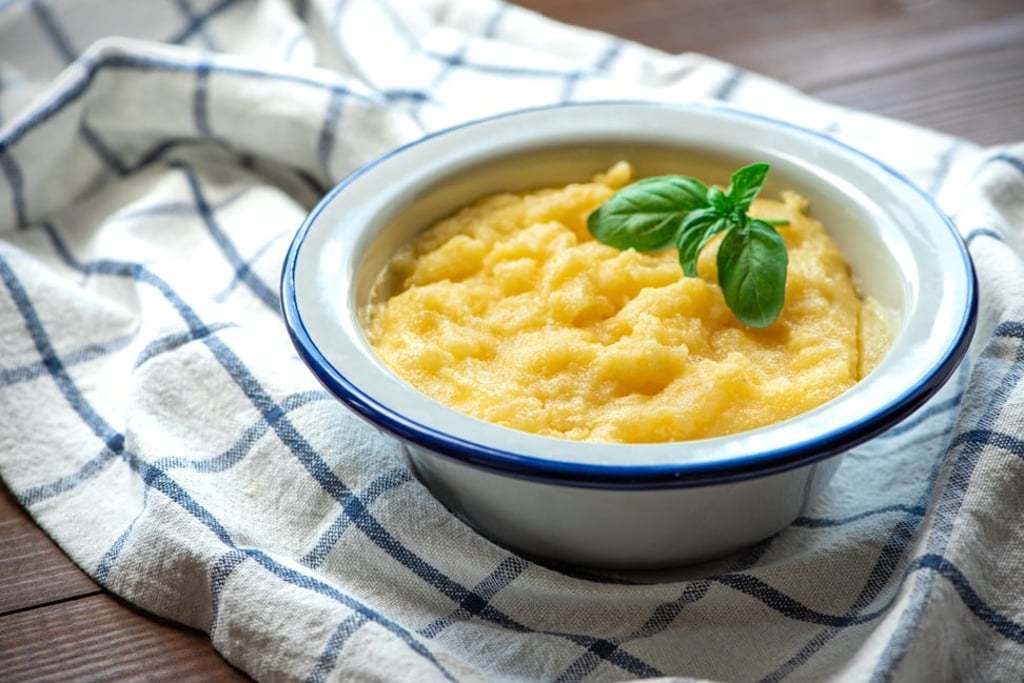
The traditional Italian dish is a semi-liquid cornmeal mush that doesn’t look especially appealing at first glance. But it has a delicate and light, rather sweet taste and is a perfect substitute for bread and pasta. It also has a pleasantly granular texture that lingers on the tongue.
The plain-looking dish has an amazing effect on the human body thanks to its incredible aphrodisiac properties.
“Polenta is a poor food, a symbol of rural frugality”, says Rosina Scruglia, an expert in food folklore. “Families would get around the dinner table, after a hard day’s work, and eat polenta. The steaming mush was placed on a huge wooden platter at the centre of the table and everyone took his share.”
“But the best part came after dinner. Wives knew that it was a potent sex booster and helped couples have lots of kids, as the labour force was vital to keep the farm running. It was a sort of ‘reproduction’ culinary secret that was passed on along the women of the same family”.
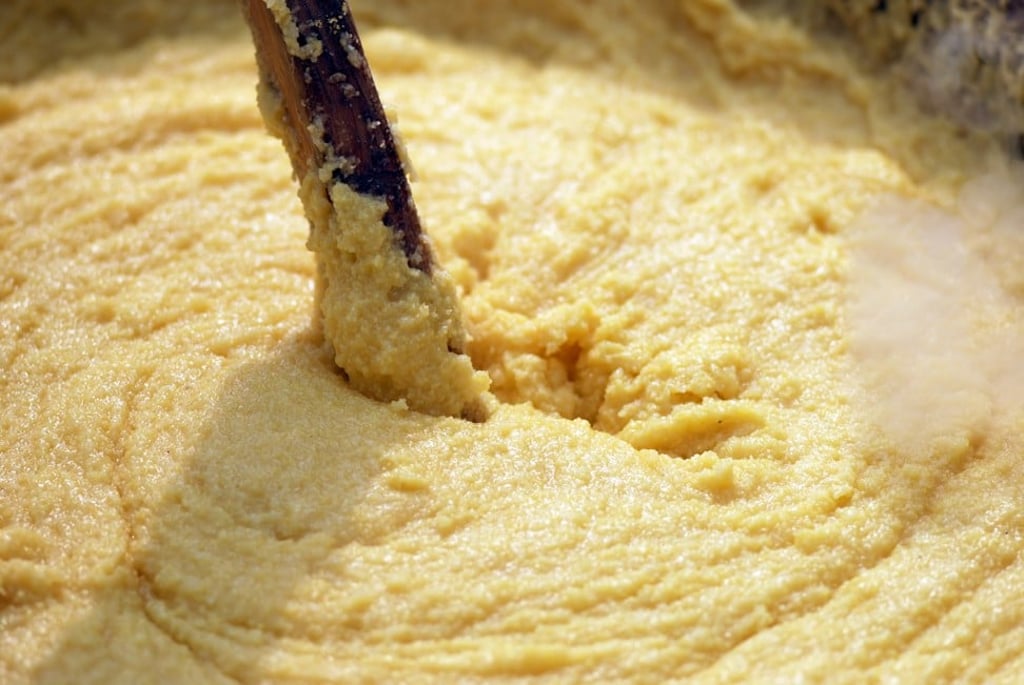
It’s not a sex myth. Scientific experiments carried out in the 1970s showed the sexual powers of polenta, albeit not directly on humans. Nutrition professor Michele Carruba, head of Milan’s University’s obesity research centre, took a group of laboratory mice and fed them polenta only for several days. The mice showed a definite spike in sexual activity and mated significantly more than usual.
But how did he reach that conclusion? At the time his team of scientists was studying the role of neurotransmitters and their influence on organisms, specifically serotonin, which resulted as an inhibitor of sexuality, Carruba says. Serotonin is synthesised by the organism through an amino acid called tryptophan. Corn doesn’t have the amino acid, so the serotonin didn’t kick into place and the rats felt a strong sexual desire.