Why Olympic athletes will all sleep on recyclable cardboard beds at the Tokyo 2020 games

Take a first look inside the Athletes’ Village, where competitors will sleep on recyclable cardboard beds which organisers claim are stronger than wood
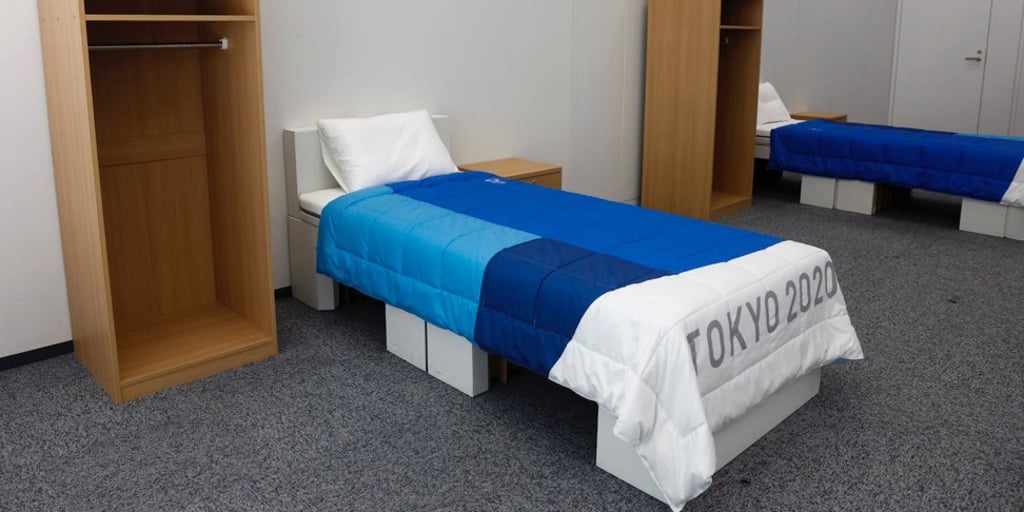
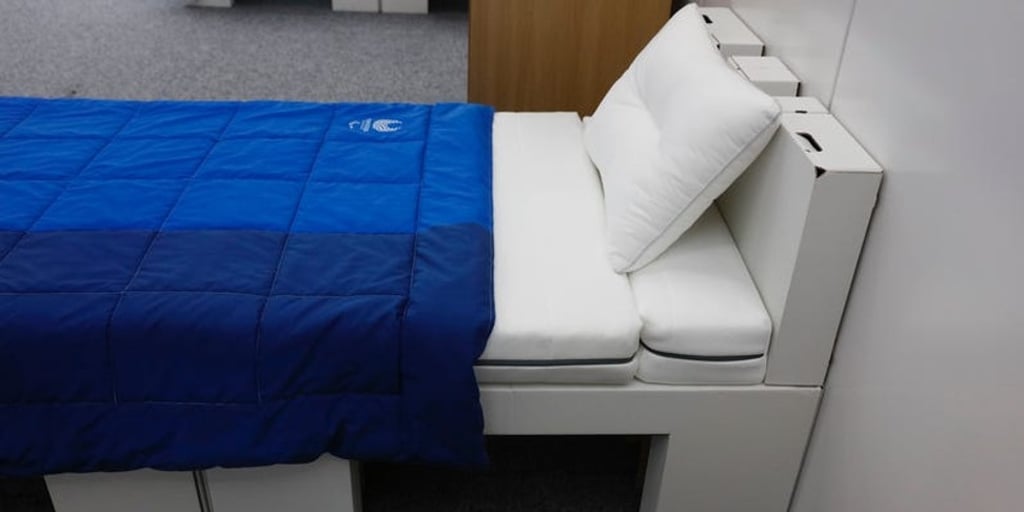
Associated Press reported that the bed frames in the Athletes’ Village will be made of cardboard. The material is “stronger than wood” and can hold up to 200kg (440lb), according to Takashi Kitajima, the general manager of the Athletes’ Village.
The bed frames are not indestructible, however, but Kitajima noted that even frames made of wood would break if, for instance, a celebrating athlete jumped on them.
The mattresses will not be made of cardboard. The cardboard frames will be recycled into paper products and the mattresses will be recycled into plastic products after the event. It is the first time beds at the Athletes’ Village will be made of renewable parts, organisers said.
“The organising committee was thinking about recyclable items, and the bed was one of the ideas,” Kitajima said.
The beds and the rooms are, as usual, minimalistic.
The Athletes’ Village consists of 21 towers and 18,000 beds, with more construction to come, according to Wade. The units will be sold or rented out after the competition.
The Olympics regularly come under fire over a lack of sustainability. The Olympic Stadium for the PyeongChang Winter Olympics in 2018 cost US$100 million to build – and was torn down after the event.