Gen Z has US$140 billion to spend – but pop-up shops and social media might not be the best brand marketing tactic, after all

Vans, Adidas and Nike might be Gen Zers’ favourite brands – but Gucci was 2019’s fastest-growing luxury brand, and Nordstrom shows a bricks-and-mortar approach still sells
To state the obvious, the retail industry went through a shake-up in the last decade.
The 2010s alone saw the closure and bankruptcy of many iconic bricks-and-mortar stores, including the once-beloved Henri Bendel, Payless ShoeSource, Sports Authority, (briefly) Toys “R” Us, Victoria's Secret, and perhaps most notably, Blockbuster and Barneys New York.
Most of these stores suffered from stagnating sales, while others struggled against the rise and popularity of e-commerce and online retailers, in addition to the changing tastes of the millennial and Gen Z cohorts. A study conducted by Influential – an artificial intelligence and social data company that connects influencers with brands – found that consumer technology and fashion retail were the top two areas that had substantial year-over-year increase in social mentions, with an 89 per cent and 128 per cent increase respectively.
For stores looking to connect with Gen Z-ers – who have a spending power of US$143 billion and will account for about 40 per cent of global consumers this year – it's clear that retailers and brands need to invest in researching how this new generation shops, even if it means disrupting traditional blueprints. One of the biggest issues for traditional retailers and brands to overcome will be the rise of more direct-to-consumer (DTC) and e-commerce brands, who are able to provide more of an intimate and personalised experience for shoppers.
The secret to Gen Z marketing success
According to Influential's study, the top three fashion brands mentioned among Gen Z-ers are Vans, Adidas and Nike. This is in line with data from consulting agency Interbrand, which listed Nike and Adidas as two of the top global brands in 2019, with a US$32.3 billion and US$11.9 billion brand valuation respectively. But they aren't the only brands who have successfully courted the younger generation.
Gucci, for example, had great success in the last decade when it came to attracting Gen Z. As Interbrand reported, Gucci was 2019's fastest-growing luxury brand, with a growth rate of 23 per cent and brand valuation of US$15.95 billion – nearly double the valuation it had when Alessandro Michele first took over as creative director in 2015. In addition, in a 2017 interview with CNBC, François-Henri Pinault (the chairman and CEO of Kering, Gucci's parent company) said that nearly 50 per cent of Gucci's sales were coming from millennials. Today, Interbrand reports that number has jumped to more than 60 per cent with their fastest-growing audience being Gen Z.
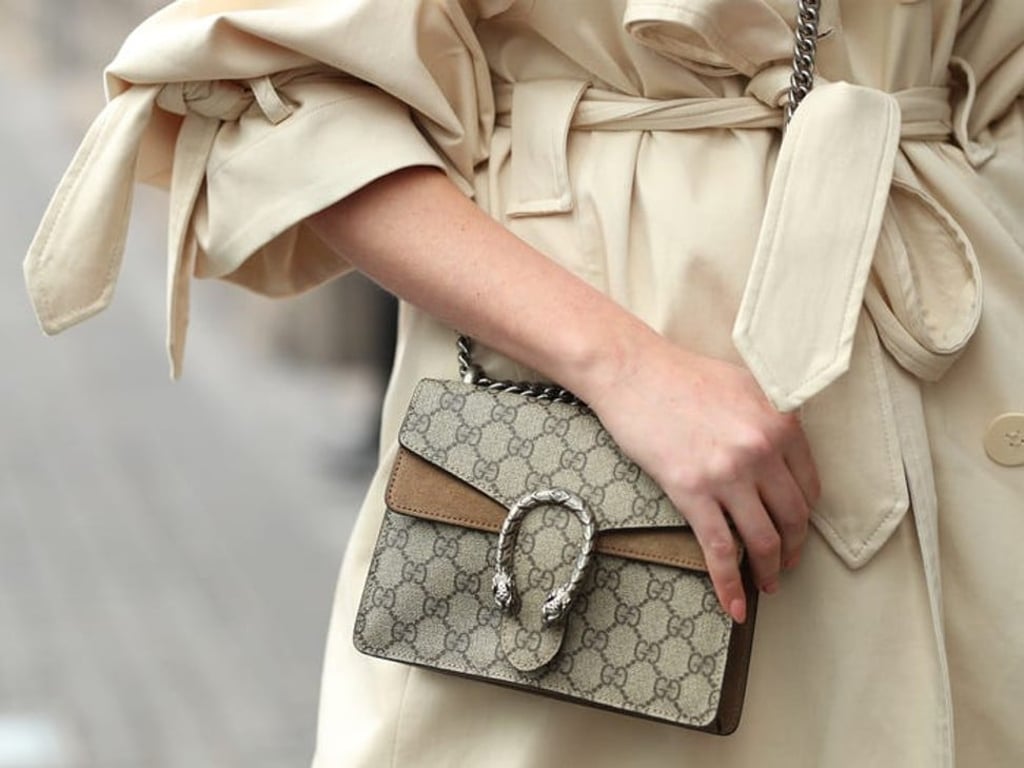
To court younger generations, Gucci employed a “Millennial Shadow Committee” to help make decisions about the best way to connect with shoppers. The luxury brand also partnered with modern day icons such as pop star Harry Styles and photographer Petra Collins, and launched inclusive advertisements and collaborations, in addition to taking steps towards becoming a more sustainable company – all moves which appeal directly to younger shoppers.
“This type of interactivity between a consumer and a brand that is more relational resonates as authentic rather than a brand that is presenting to you a product and selling it to you,” Steve Mormoris, CEO and founder of Edge Beauty. “Consumers have mobile phones in which they're able to interact with brands, but on a more frequent basis than 30 years ago where you would only interact with the brand when you saw [it on] television, and then the next day you walked into a store to buy it.”