Will Ferrari’s electric car plans silence the prancing horse’s famed roar? The SF90 Stradale hybrid supercar is just the beginning

There’s been plenty of chatter about a full transformation away from the yowling petrol-incinerating power plants of the past, and Ferrari is laying the groundwork for the mythical all-electric car
Ferrari could be making room to fire up electric-vehicle production in Italy.
The company reported fourth-quarter and full-year 2019 earnings on February 18, after which CEO Louis Camilleri presided over a conference call with analysts to review the results – which were a slight disappointment but an improvement on 2018.
Critically, Ferrari sold more than 10,000 vehicles in 2019; for 2020, the new SF90 Stradale plug-in hybrid should arrive in the second half of the year.
Although Ferrari is no stranger to hybrid power trains, thanks to the range-topping LaFerrari hypercar introduced in 2013, the SF90 Stradale enhances the technology and locates it squarely within the prancing horse’s core lineage of mid-engine supercars.
With the advent of the Purosangue SUV (or FUV, which Ferrari prefers), there’s been plenty of chatter about a full transformation of the company, a move away from the yowling petrol-incinerating power plants of the past, towards a future in which the biggest threat to the 80-year-old brand is governments worldwide regulating internal-combustion out of existence.
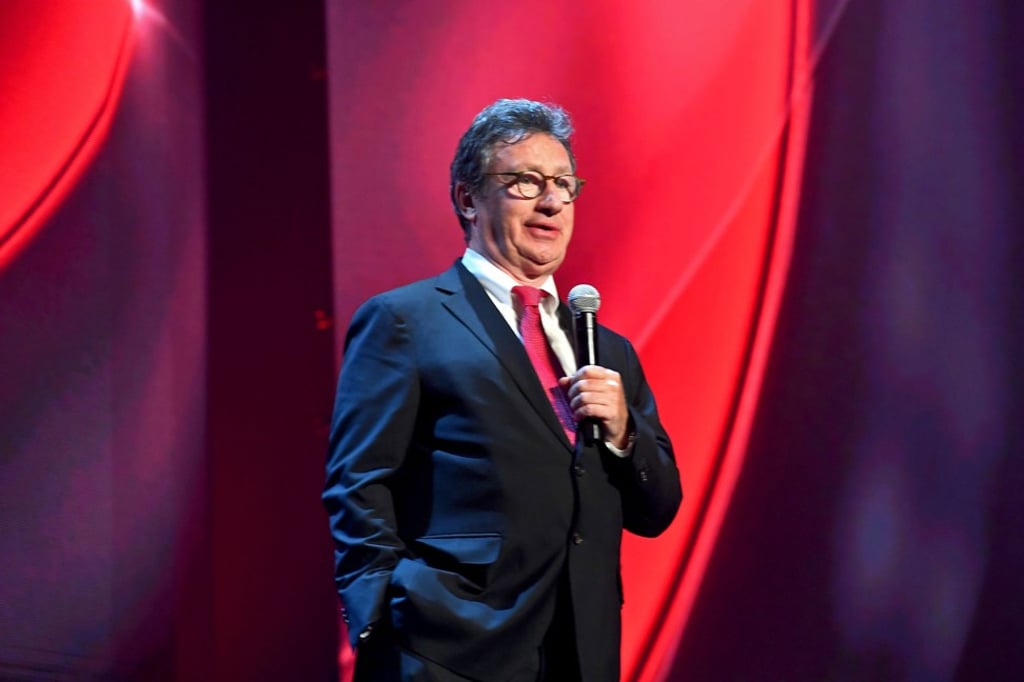
Enter the mythical all-electric Ferrari, teased by the late CEO Sergio Marchionne and hinted at by his successor, Camilleri – who has indicated that Ferrari’s offering is years away, but from what he said at the briefing, it sounds like the company is laying some groundwork.
Ferrari plans to expand operations at its factory complex in Maranello, Italy. It won’t be building more cars. Current manufacturing capacity, Camilleri said, is fine at 15,000 units annually. But Ferrari is looking to obtain land to create new facilities so that it won’t have to rely on outsiders. “We don’t need further production lines,” Camilleri said, adding that the expansion is, “To ensure technological superiority as the world is changing. It will give us space to bring in-house certain things otherwise done by our suppliers.”