Just 25km from Singapore, Malaysia’s Johor Bahru offers a financial bolt-hole for savvy Chinese and Hong Kong investors

The Malaysian city offers better value for money than neighbouring Singapore, which has traditionally been the go-to destination for wealthy investors from Hong Kong and China
Singapore and the Malaysian city of Johor Bahru are the closest of neighbours – around 25km by road, or 20 to 30 minutes by train, comparable to a fast train trip between Kowloon, in Hong Kong, and Shenzhen, in China.
In terms of property markets, however, the two are poles apart. Whereas Singapore is the second-most expensive city in Asia to buy a home after Hong Kong, property in Malaysia is among the cheapest. Housing in Singapore costs an average of US$1,700 per square foot, compared to around 600 ringgit (HK$1,113) per sq ft – US$143.33 – on average in Malaysia.
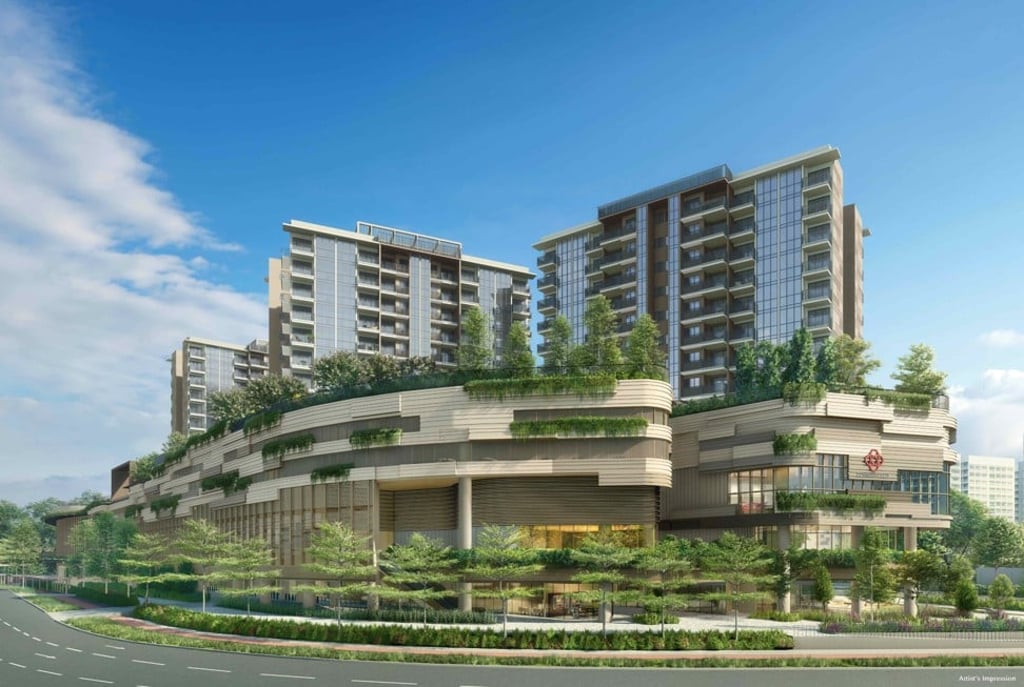
Singapore has traditionally been the go-to destination for wealthy investors from Hong Kong and China. As Knight Frank’s Kate Everett-Allen explains, the Lion City is regarded as a regional safe haven, particularly for Asian buyers keen to keep their investments close to home. “Given the uncertain external environment, many buyers are willing to overlook the higher purchase costs given Singapore’s political and economic stability and its status as a commercial hub,” she says.
But Hong Kong residents looking for a bolt-hole are viewing Malaysia in a new light. Could 2020 be Johor Bahru’s time to shine?
Khalil Adis, a Singapore and Malaysia property market analyst, believes so. He says that Johor state, heartland of the Iskandar Malaysia flagship economic initiative, Kuala Lumpur and Penang are already experiencing a “flight to safety” among Hong Kong investors, and that recent incentives make Johor’s capital, Johor Bahru, even more attractive.
Adis, founder of Khalil Adis Consultancy, agrees that for years Malaysia’s property offering has been overshadowed by Singapore’s, and issues such as the 1MDB (1Malaysia Development Berhad) corruption scandal have not helped. “It has created a lot of uncertainty in the minds of foreign investors,” he says.
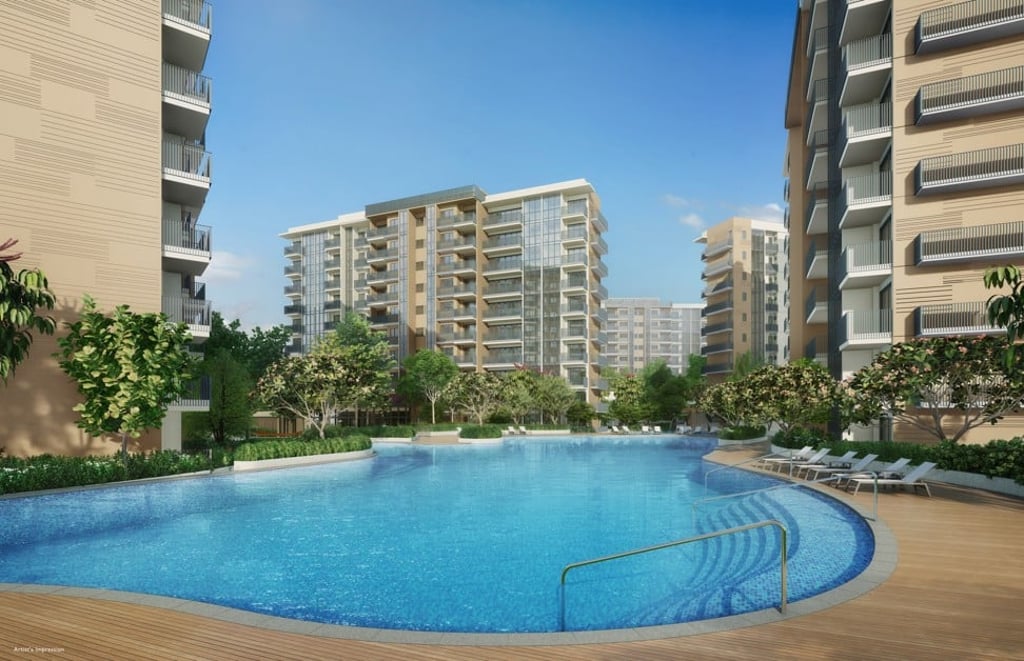
Since the civil unrest in Hong Kong began last year, Malaysian developers have been promoting new launches in the city, which Adis believes have opened Hongkongers’ eyes to new possibilities.
“A key reason is the price,” he says – coupled with the opportunity to own freehold property. “In Malaysia, you can get a comfortably-sized flat or condo from about 1,200 sq ft onwards, whereas in Singapore it may be a leasehold, and the home might be smaller,” he says.
As opposed to Singapore, where foreign buyers must pay 20 per cent additional stamp duty on any residential property purchase, Malaysia has no such impost, Adis adds. “If I were a Hong Kong investor, I'd reason that 20 per cent of my money could be paid in taxes in Singapore, or be a nice home deposit in Malaysia,” he says. Under the Malaysia My Second Home visa programme, Adis adds, successful applicants can bring their parents, be entitled to medical treatment, and put their children in good schools.