Coffee wars: Italians adore espresso, but what about matcha, frappuccino, pumpkin spice and Starbucks-style sweet drinks invading traditional cafe culture?

When an Italian thinks about coffee, it’s jet black – but things are changing, and non-Italian, American-style speciality coffee drinks are taking hold, and not everyone is thrilled about it
When it comes to coffee, Italians are dead serious. They love straight, pure caffeine injections, and many are addicted to espresso or the sharper-still ristretto (an intense, 15 millimetre dose). Forget long coffee. A small round coffee cup – not a mug – is gulped down on the run while standing at a bar counter, like a tequila shot. No sitting down at tables, no lingering. The traditional Italian coffee culture is drink and go.
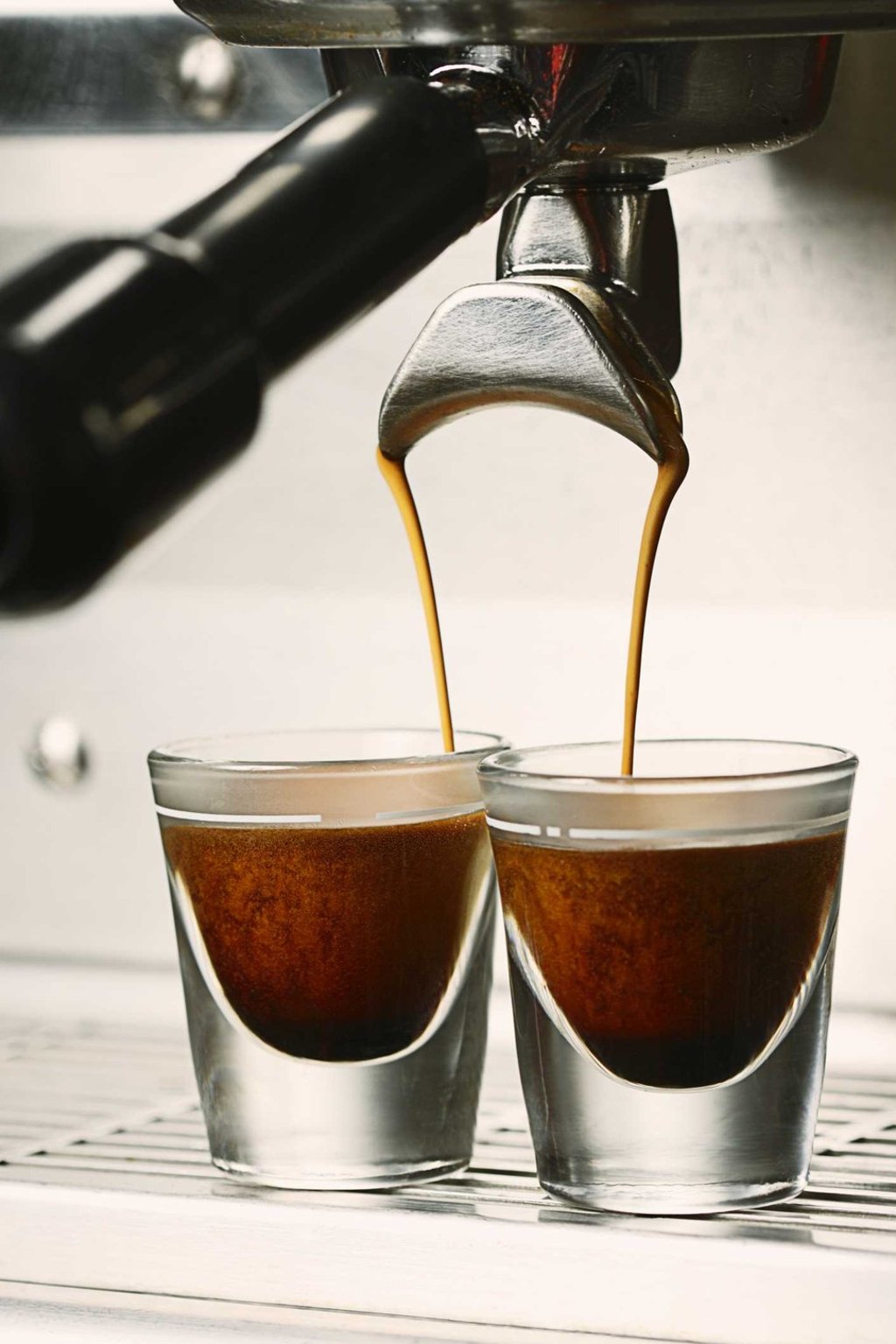
Coffee is an infusion of black adrenaline that is often tasted without sugar, to get the most out of the bitter coffee taste. When an Italian thinks about coffee, especially abroad and craves such a treat, it’s jet black, with nothing added.
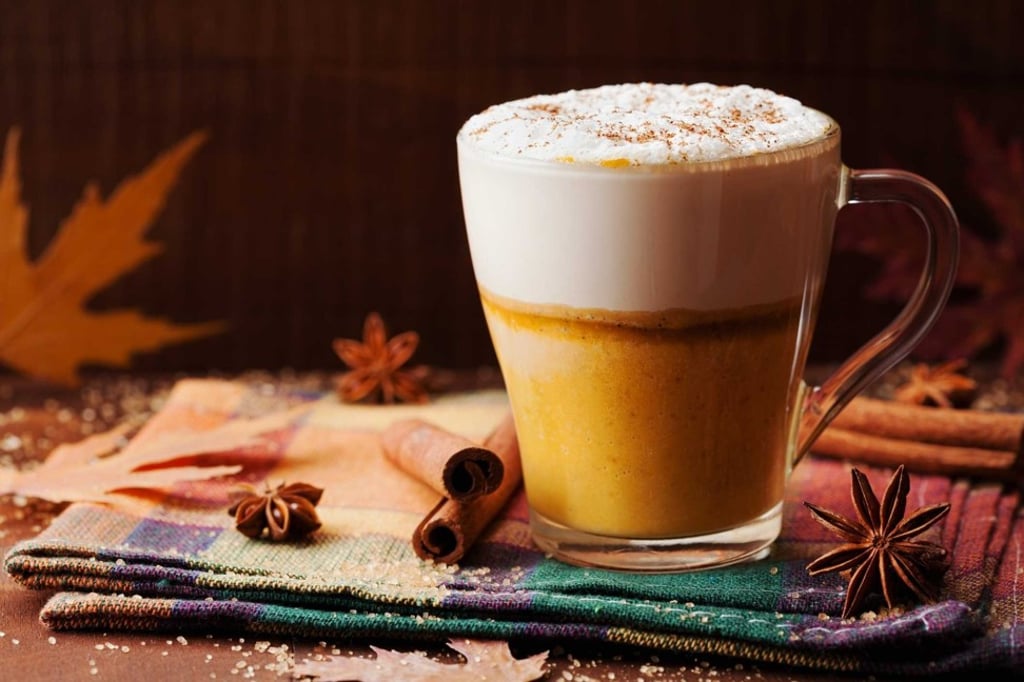
But things are changing. Non-Italian, American-style speciality coffee drinks are also taking hold in Italy (albeit at a slow pace) such as frappuccino and other twists including matcha green tea and pumpkin spice lattes. Many purists are horrified, but new industry trends can be powerful.
Italian coffee sommeliers and experts who seem to welcome such novelties do it with caution.
“There’s coffee and coffee. Innovation is key but there’s always a sensorial boundary. The limit to how far certain ingredients can be added to create extravagant coffees depends on taste, and good taste, because drinking coffee is a sensorial experience involving all senses, it’s a pleasure. If you end up adding pumpkin purée or cinnamon, at the end the contamination of flavours is such that you can no longer taste the coffee,” says Luigi Odello, head of the International Institute of Coffee Tasters.
In his view, new coffee twists cater to evolving coffee tastes of different cultures depending on what the market wants.