Will coronavirus kill buffets for good? Millennials were already over unhealthy all-you-can-eat communal dining – Covid-19 might be the final blow

The great tradition of open-plan buffets – complete with big shared plates, surfaces, spoons and germs – was already in decline as a new generation of diners worried about their waistlines and blood pressures
The coronavirus pandemic has been devastating for restaurants across the board. But the pandemic may spell the end for one genre of restaurant in particular: buffets.
Buffets were already on shaky footing. From 1998 to 2017, the number of buffet restaurants in the US decreased by 26 per cent while the number of overall restaurants grew by 22 per cent, according to The NPD Group, a market research company. Old Country Buffet's parent company, Ovation Brands, filed for bankruptcy three times in the last 20 years. Ponderosa & Bonanza Steakhouses’ parent company, formerly Metromedia Steakhouse, went bankrupt in 2008, eventually selling the buffet brand to FAT Brands in 2017.

Why have buffets suffered so much in the last two decades? There are several possible factors. One is that at the turn of the millennium, Americans began a shift away from quantity and toward quality when it comes to food. Explosive exposes Super Size Me and Fast Food Nation forced Americans to confront their fast-food habits – and their growing waistlines. Nutrition has become more of a concern when choosing where to eat, and in the 2000s, fast-food chains struggled to climb back into vogue while the farm-to-table movement flourished.
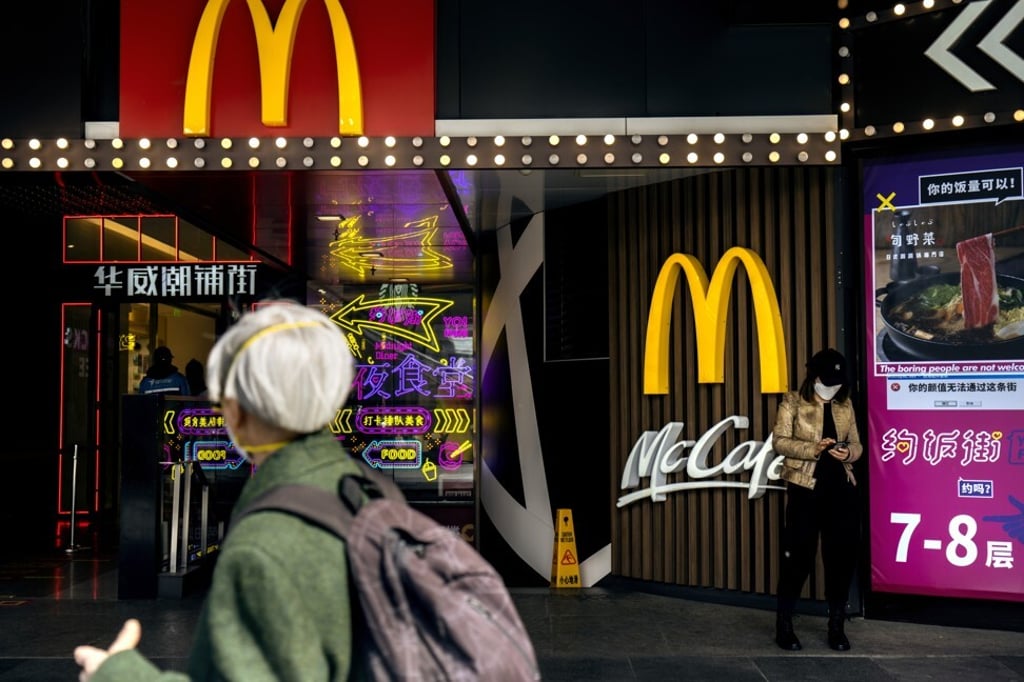
Fast-food chains are now doing just fine. But for some reason, buffets just can't seem to break into the vitamin-fortified hearts of millennials and younger diners.
Restaurant analyst John Gordon said that he's seen a lot of buffet operators close down over the years. “Many of those buffet operators have had a falling off in business activity. A lot of it had to do with people's tastes and preferences as a certain generation of adults grew older,” Gordon said.
Another factor might be the many cases of mass food poisoning incidents that have occurred at buffets in recent memory. E coli, salmonella, the questionably-named “fried rice syndrome”, campylobacter – if you can name it, there's probably been a food poisoning incident at a buffet because of it.
Before the coronavirus pandemic hit, buffets were already struggling to rebrand and convince the public they were hip, convenient, fast and most importantly, safe. Now, many won't get the chance to do so. And the ones that do will have a much steeper hill to climb.
Buffets may simply feel unsafe