How luxury tourism can help endangered species like the rhino and the Tasmanian devil to survive – from South Africa to Australia to the Galapagos

More luxury travellers are embracing the philosophy of journeying responsibly and meaningfully, taking part in conservation activities to sustain dwindling wildlife populations
Living in harmony with other creatures on Earth has become more significant than ever, given the storm of recent catastrophes that have affected us all.
From the coronavirus outbreak to the bush fires that ravaged Australia and floods in Venice, these disasters can be deemed a loud wake-up call from Mother Nature.
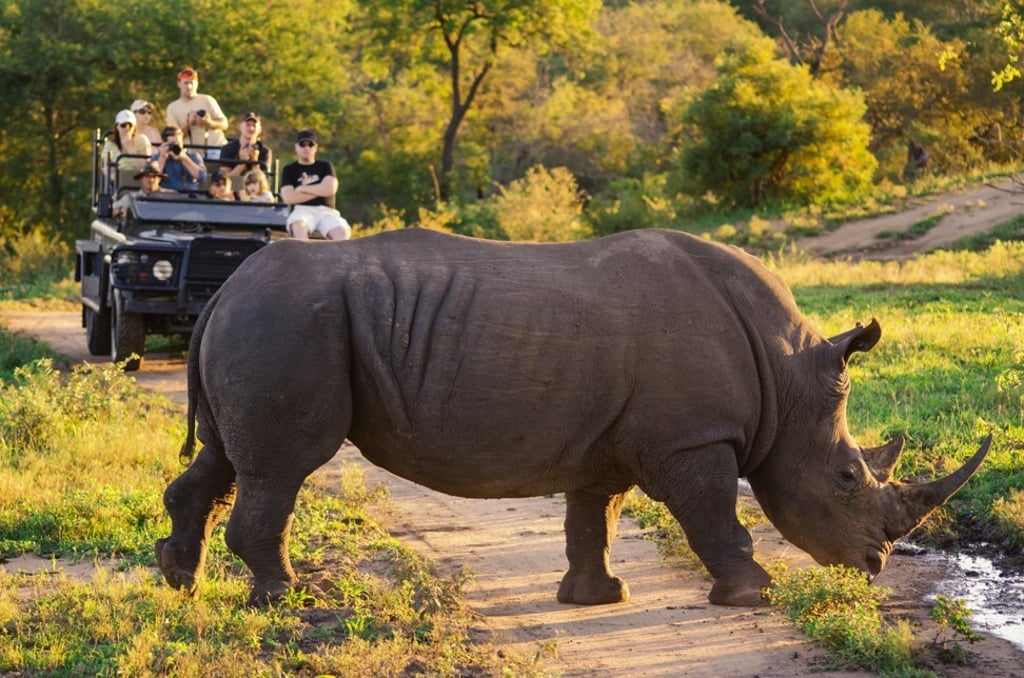
In response to this, some luxury travellers are embracing the philosophy of journeying responsibly and meaningfully. Across the globe, travellers are drawn to the idea of not only getting close-ups of rare and endangered animals, but taking part in conservation activities and experiencing efforts to sustain dwindling populations, reintroduce vanished species and even recreate those thought lost forever.
In South Africa’s KwaZulu-Natal province, it’s not long past first light at luxury lodge operator and Beyond’s Phinda Private Game Reserve and we’ve risen early from our pavilions at Mountain Lodge in time to reach a 6am rendezvous in an area of short shrubs and grass, which nevertheless cast long shadows from a warm sun that has barely risen above the surrounding hills.
We’re off to hunt rhino, and to take their horns. But unlike poachers in search of ingredients for spurious medicines who would kill the animals to make removing the horns easier, we’re hunting them to save their lives.
Phinda’s ecologist explains the morning’s activities. The helicopter pilot will locate the target rhino by tracking a collar on its ankle, and a vet will mix up a cocktail of drugs which he’ll then deliver by dart to the animal’s rear end, shooting from the air.
They will then scan a microchip embedded in the animal to confirm its identity, take blood, tissue and horn samples for future forensic testing if its horn is stolen, and to replace the tracker with a new lighter device attached to the rhino’s ear.
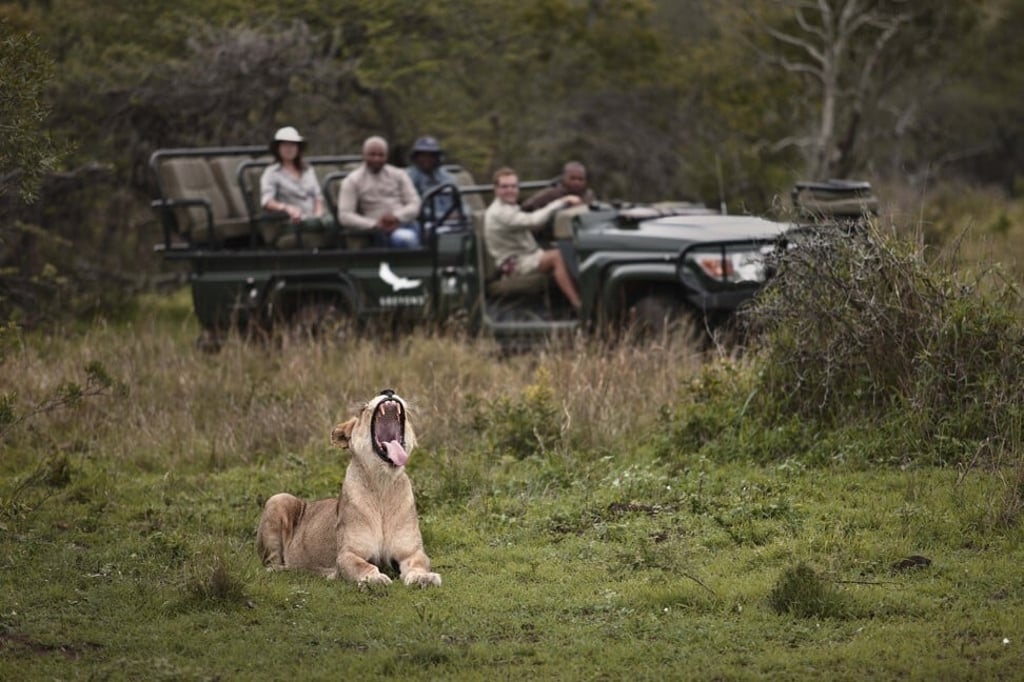
The helicopter clatters off, and after a wait the radio crackles that the beast has been spotted. Our convoy races towards where the machine is hovering in the air, even flying backwards to herd the now darted and increasingly sleepy rhino towards the road.
The beast emerges from the bush at a slowing trot, and comes to a halt, its ears flapping in a puzzled way. Once sat down on its back legs, it is quickly surrounded by solicitous assistants. Someone applies a blindfold and presses in earplugs made from balled up rugby socks, and the vet gives a partial antidote to bring the rhino to numbed semi-consciousness.