Will Emirates and Etihad merge due to the coronavirus crisis? The UAE’s two rival airlines fly out of cities just 130km apart …

Rumours have long swirled that two of the Middle East’s biggest airlines, Dubai’s Emirates and Abu Dhabi’s Etihad, might merge – could the global travel slump caused by Covid-19 be the final nail in the coffin?
For years, rumours have swirled about a possible merger between Emirates and Etihad Airways. To many, the United Arab Emirates carriers seem a good match, given their similar business models and financial stumbles. Last year, speculation intensified when Etihad found itself with US$4.7 billion in losses over three years, largely due to failed investments in other airlines and competition from rivals.
But even as the coronavirus pandemic makes past airline problems look quaint, the two rival carriers – each owned by the governments of neighbouring emirates, Dubai and Abu Dhabi – have no intention of joining forces. Not according to Sir Tim Clark, president of Emirates, who said in an interview that the airlines were well positioned to weather the crisis and get back to business as usual, despite Etihad's relatively weak financial position.
If you can get through the next couple of years, then there's a fighting chance of things being fine
Emirates is based at Dubai International Airport about 130km from Etihad's Abu Dhabi home. The two carriers, along with Doha-based Qatar Airways, each operate a hub-and-spoke model, using their Gulf hubs to effectively connect the Eastern and Western hemispheres.
The rise to prominence of the Gulf airlines in the 2000s led to a transformation of global air travel, bringing one-stop connectivity to virtually every major city in the world, while allowing travellers to bypass classic hubs in cities like London, Paris and Frankfurt when travelling between the Americas or Europe to Africa, the Middle East and Asia.
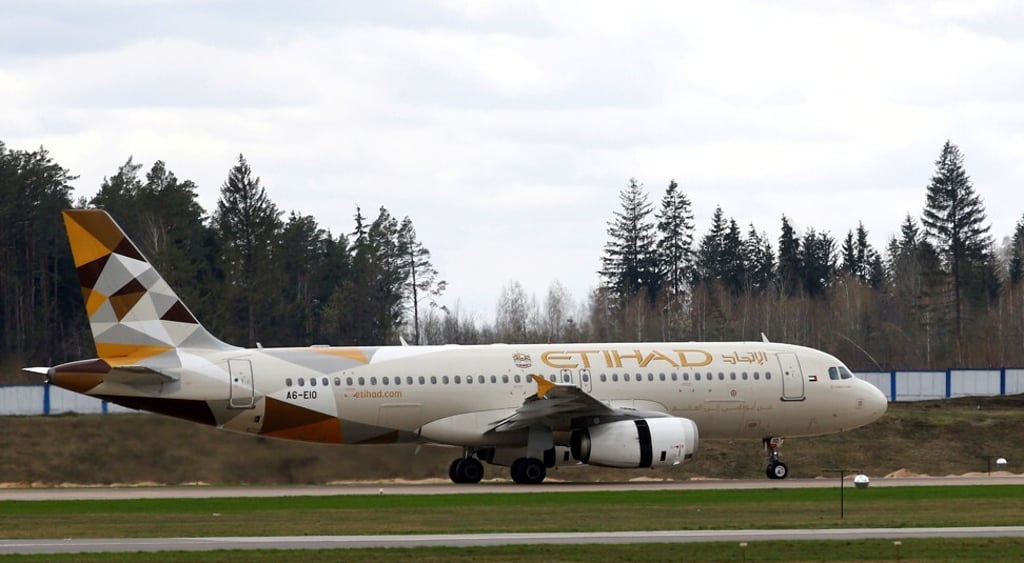
However, the playing field has become increasingly crowded between the two carriers and Qatar Airways, especially given the rise of low-cost competitors across the Middle East and Asia.
As the Covid-19 pandemic has wreaked havoc and devastation on the global airline industry – particularly on long-haul airlines – speculation surrounding a merger between the more stable Emirates and the loss-making Etihad has rebounded.
But Clark categorically denied the possibility.
“Etihad is a much leaner airline than it was three or four years ago, and it's far more fit for purpose than perhaps it was,” he said. CEO Tony Douglas has downsized the airline to make it a better fit for the markets it serves, Clark said, without overextending itself.
According to Clark, both airlines were well-positioned at the start of the crisis, and are well-positioned now to return to form once it's over.