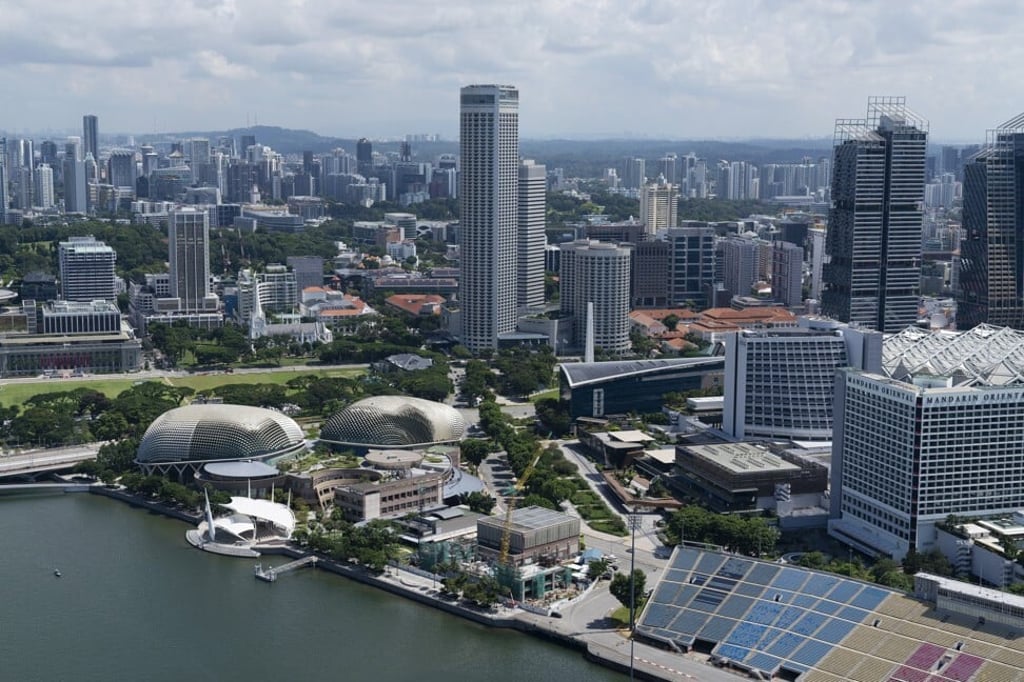
Despite Covid-19, Singapore real estate remains hot property for global companies looking to tap into the Lion City

High-visibility projects like Marina Bay’s The Fullerton Hotel, as well as major commercial investments from Alibaba and Shun Tak Holdings, confirm what the analysts say – that the longer-term fundamentals of the Singapore real estate market remain strong, despite the coronavirus pandemic
Global headwinds failed to shake investor confidence in Singapore last year, with investment commitments far exceeding the official forecast.
The S$15.2 billion (US$11 billion) in investments pulled in during 2019 was 39 per cent more than in 2018 – a testament, said Dr Beh Swan Gin, chairman of the Singapore Economic Development Board, to Singapore’s “position as the preferred location for global companies to tap into Asia’s growth, and Singapore’s competitiveness as a hub for manufacturing, innovation and digital activities”.
As everywhere else, it could not escape the pandemic. Covid-19 brought an impenetrable shock to the nation’s consistently reliable real estate markets, but experts agree the impact is likely to be short-term.
As Jerome Wright, senior director of Capital Markets at Colliers International, explains, “The longer-term fundamentals of the Singapore real estate market remain strong and intact, and we can expect the market to recover as the successful control measures are lifted and industries regain full momentum.”
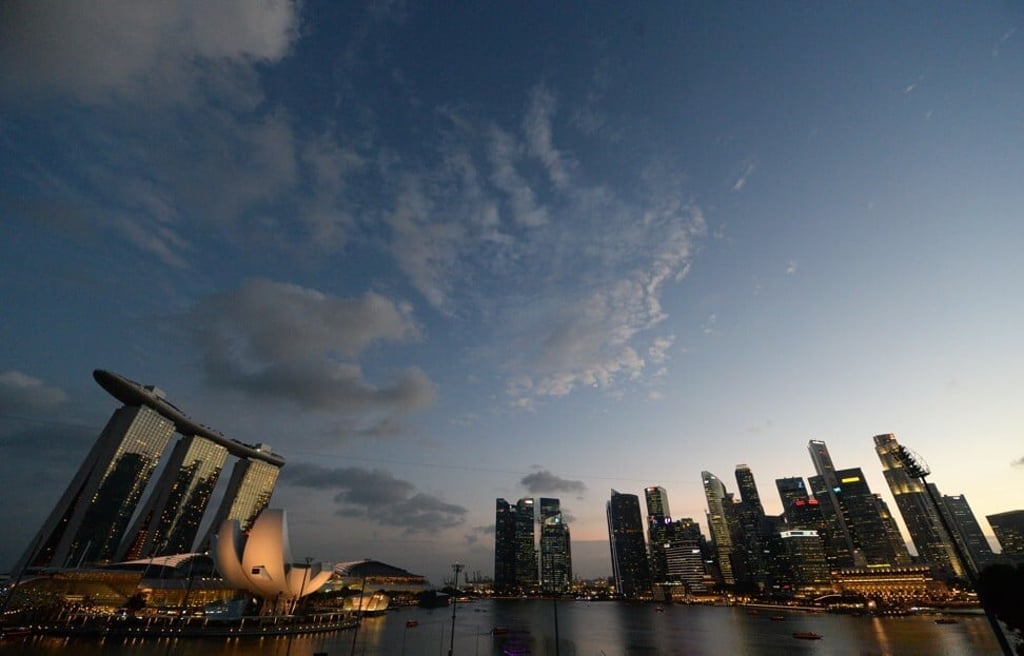
Citing Singapore’s strong policy response to the pandemic as reinforcing its safe haven status, Colliers Research projects that real estate investment sales volumes will grow on average by 5 per cent per annum in the longer-term, over 2019-2024, despite a 24 per cent forecast drop year-on-year in 2020.
The best-performing sector is expected to be residential, which in the first quarter of 2020 led the investment volume for the first time since the first quarter of 2018, accounting for 51 per cent of the total. Overall residential transactions surged by 68.5 per cent quarter-on-quarter, and while developers bid cautiously for public land sales given the market uncertainties ahead, Colliers reports sustained buyer demand at new condominium launches as well as in landed housing and Good Class Bungalow (GCB) sales.
The commercial sector also looks promising. Wright notes that commercial and mixed-use deals made up 72 per cent of the second-quarter tally, as foreign investors picked up sizeable stakes in several central business district (CBD) properties including Alibaba, the parent company of the South China Morning Post, buying a half stake in AXA Tower, and Shun Tak Holdings buying the remaining 30 per cent stake it did not already own in TripleOne Somerset.
“We will continue seeing foreign investors as the investment sales volume recovers slightly this second half of the year,” Wright said.