Richer than Kylie Jenner, China’s Lillian Wu is worth US$1.3 billion – who is she, her husband, and how did she become the richest female self-made billionaire under 40?

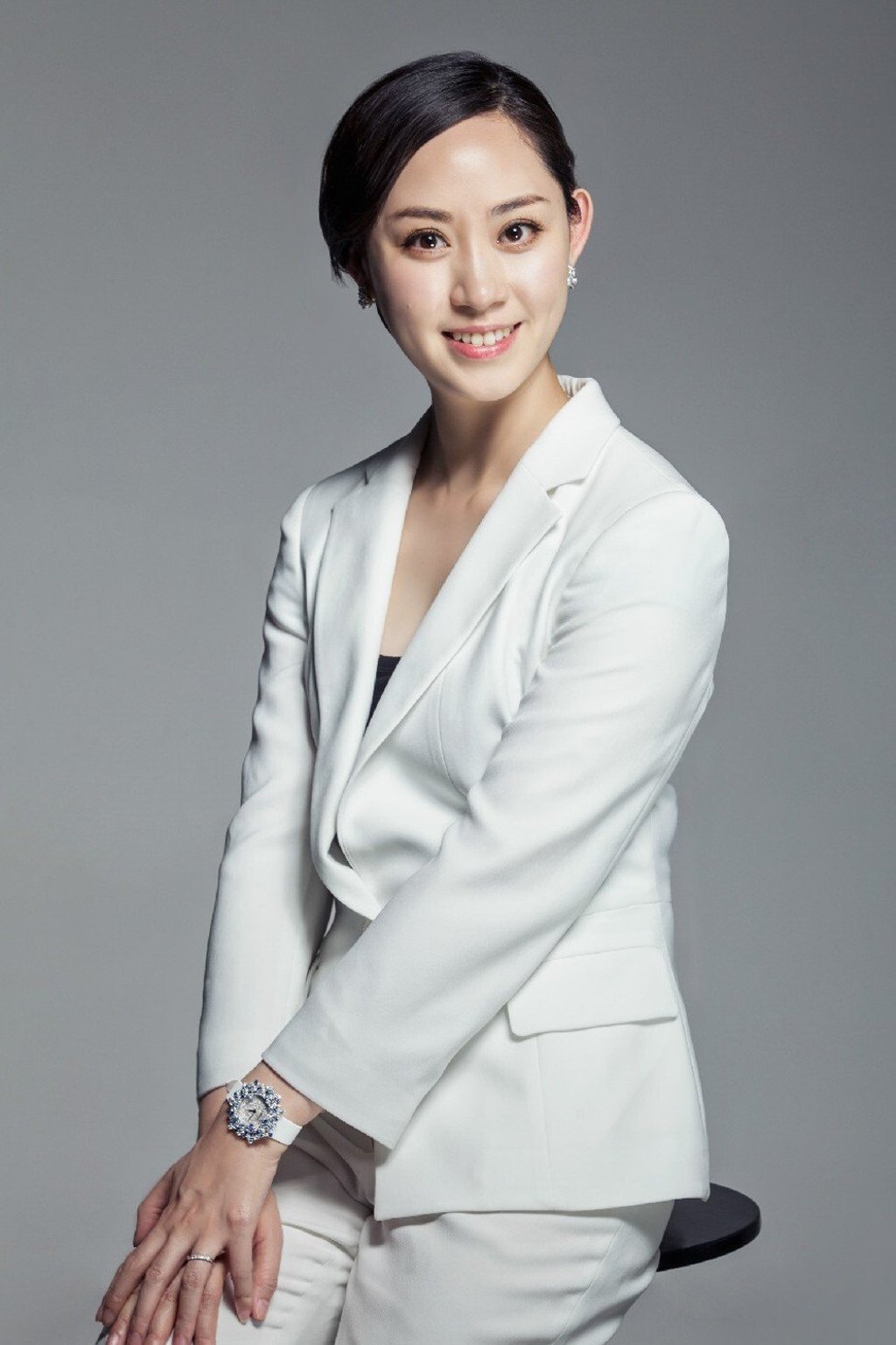
Now chair of Hangzhou-based Hakim Unique Internet, the elegant and entrepreneurial Lillian Wu invested early in China’s booming IT and telecoms business with her now-husband Jack Wang after meeting at university two decades ago – today they are both billionaires
With a net worth today of US$1.3 billion, she made her first million yuan (US$145,000) when she was still in university after going into business with Jack Wang Qicheng, who later became her husband. The growth in her company as well as her positive image over the years has made her one of the most admired self-made CEOs born after 1980.
Here is all you need to know about this mega-successful young businesswoman.
She studied in Hangzhou
While Wu was working on her master‘s degree in advertising from Zhejiang University, she and Wang discovered a business opportunity and they started a company together. It was 2001, right at the dawn of broadband services, and they sold fibre-optic transceivers as an essential device for telecommunication companies.
She was planning to sell the start-up
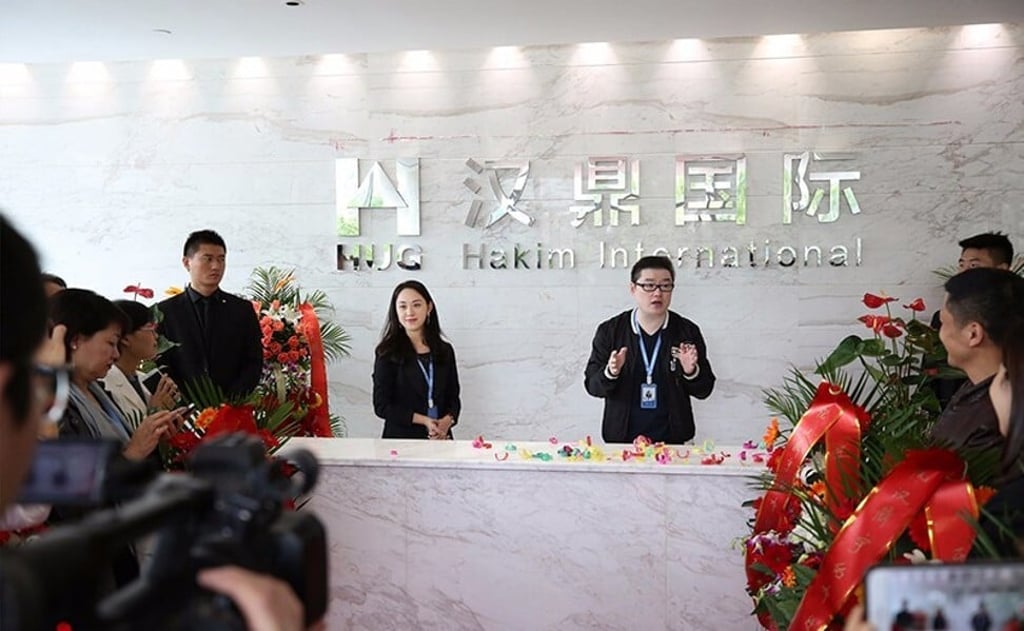
The couple were rejected by several telecommunication companies, until they resorted to approaching the poorest regions in Zhejiang where they managed to ink a deal, making their first million. However, things took a turn when the telecommunication companies took over the purchase internally, leaving them locked out of the business.
Quality was key