China’s untapped demand for gold and diamond jewellery – 5 trends behind the booming millennial market driven by young couples in love

How did we get from gifting shells and fishbones to gold and diamonds? According to Hype Asia China’s total jewellery retail sales reached up to 265 billion yuan (US$38.8 billion) in 2019 alone, with an average monthly turnover of 24 billion yuan, but the market remains largely untapped and unknown internationally
When a friend asks what they should give their partner for Valentine’s Day or birthday, more often than not an answer that surfaces is jewellery. The practice of gifting jewellery has predated modern history: archaeologists argue that the first evidence of jewellery gifting, a crafted shell, dates back 37,000 years. while historians claim that a fishbone necklace served as the first example of such an exchange.
That custom has not only persisted but in fact morphed into a behemoth industry that serves as the lifeline of many around the world as well as underscoring the balance sheets of numerous economies. China is no exception to this, and is in fact surfing well ahead of the tide. Here are five under-noticed trends behind China’s jewellery market, according to Hype Asia.
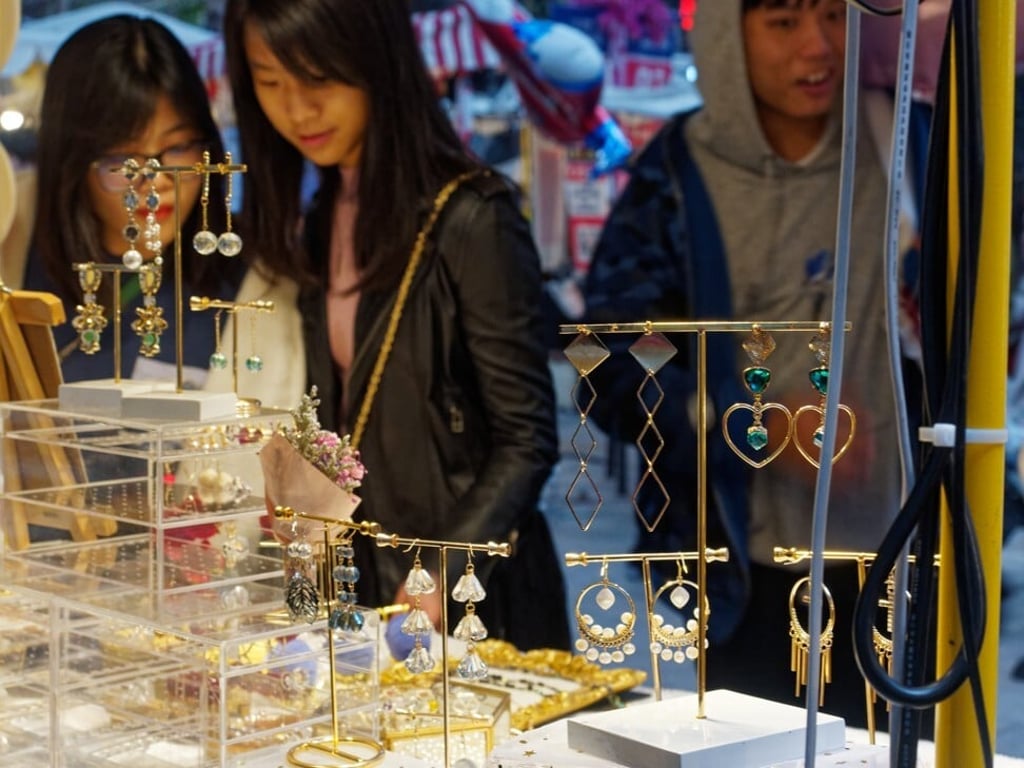
Despite being the 3rd largest market in the world and softening market conditions, China’s jewellery market remains largely untapped
According to Hype’s internal estimates, China’s total jewellery retail sales reached up to 265 billion yuan (US$38.8 billion) in 2019 alone, with an average monthly turnover of 24 billion yuan. The average Chinese consumer spent more on jewellery than they did on drinks, furniture and home decor. Despite this glaring figure, this represents only 0.6 per cent of the total average consumption in any given month for Chinese consumers, a small figure compared to an average 1.6 per cent of income for the average American consumer.
Recent growth rates have slowed amid volatile market conditions though long-run fundamentals still remain salient: a ballooning upper middle class and affluent class with a penchant for luxury jewellery.
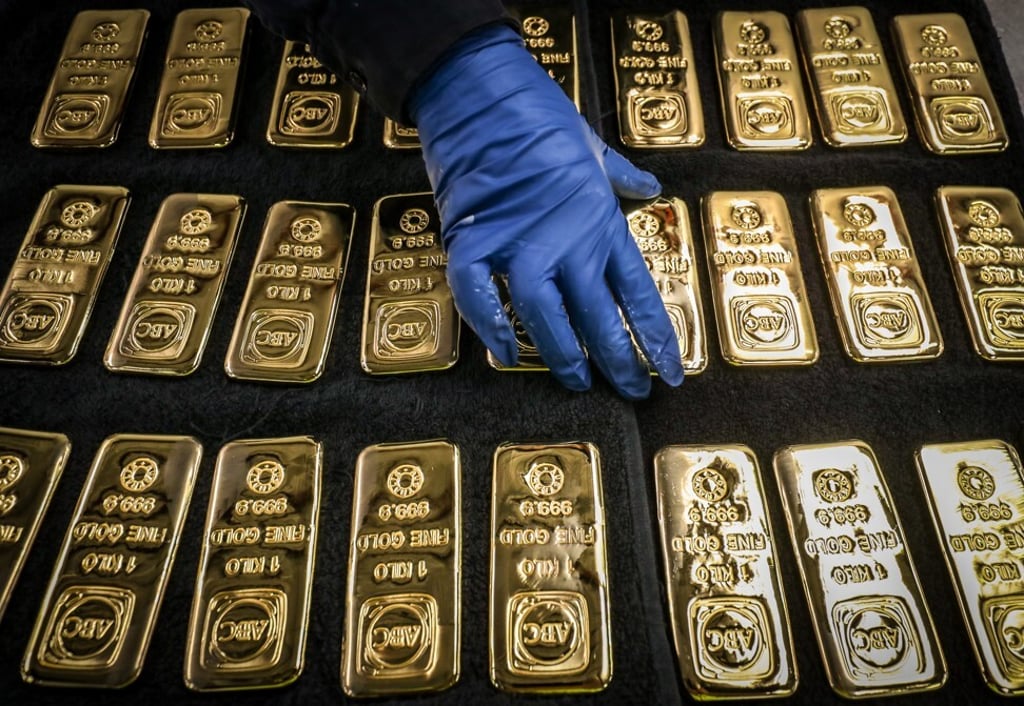
Gold is still the dominant jewellery of choice
According to China’s Gold Association, gold accounts for 58 per cent of jewellery traded on the mainland, with consumers buying more than 736 tons of gold jewellery in 2018 – an amount equivalent to the weight of three full-sized Boeing 747 aeroplanes. With a healthy growth rate of 10.3 per cent from 2010 to 2018, gold is expected to continue to grow with its use in everything from bridal bangles to longevity plates. As one of four pillars of destiny in Chinese culture, the demand for gold is not expected to blow out any time soon.
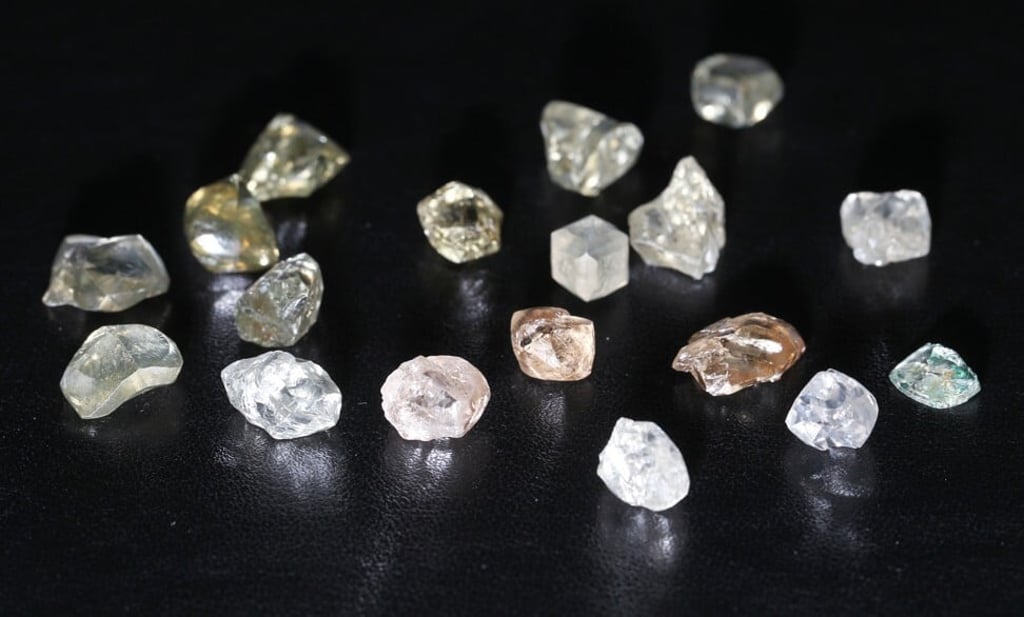
Diamonds are becoming more popular with young millennials in China