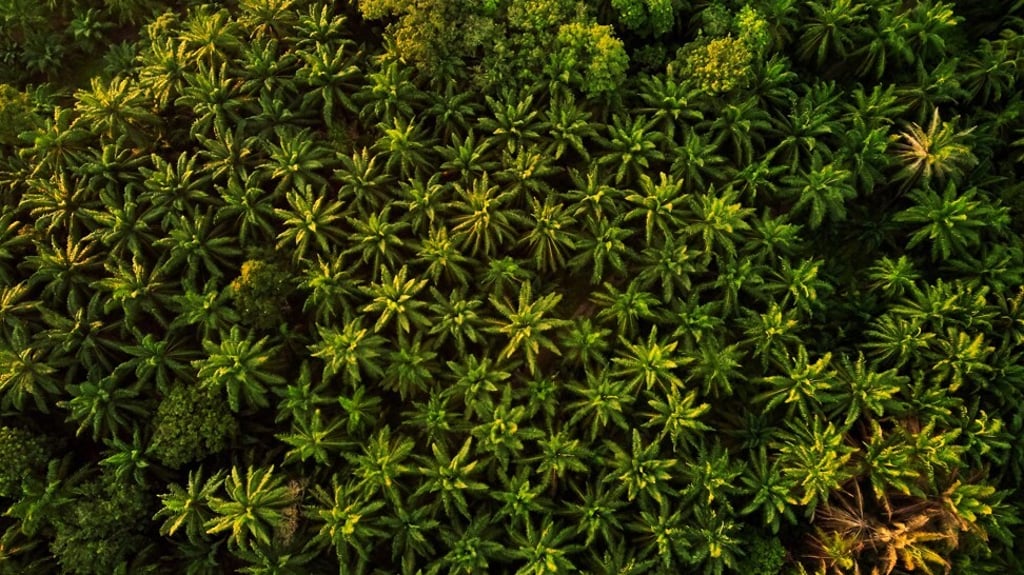
Kellogg’s and Pepsi have pledged to produce palm oil sustainably, but at what price? Deforestation, pollution and displacement is devastating for local communities in Central America

It’s in your chocolate, your shampoo and even your car: found inside of 50 per cent of packaged products in the US, palm oil is one of the world’s most useful substances, but also one of its most destructive – what are big money corporations doing to make production more sustainable and ethical, and is it enough?
Palm oil has found its way into more than half the packaged products consumed in the US alone, in part because it's so cheap and easy to grow.
But the versatile substance has long been a target of conservationists for the toll it takes on the environment, from deforestation to the millions of tonnes of greenhouse gases it generates.
Now, companies around the world are racing to prove that they can produce the world's most popular edible oil sustainably, and are under increasing pressure from major corporations. This year, huge companies like Kellogg's and Pepsi made changes to their palm oil policies, joining several other companies in pledging to source palm oil responsibly.
That struggle is playing out in particular in Guatemala, a relatively new country to the palm oil scene.
In Guatemala, some believe attaining true sustainability is an impossible task for palm companies – the official process is costly and can take years. And even if they do achieve sustainability, plantations still clash often with local communities over the rights to land and natural resources.
At least that’s what one company, called Palmas del Ixcán, has found since it planted its first seeds in Guatemala in 2008.
The arrival of the palm oil plantation just south of the border with Mexico, where most people live in poverty, offered hope – at least at first. The wider industry has brought around 28,000 jobs to Guatemala, as well as over US$1 billion dollars in investment in just 20 years, according to Grepalma, a countrywide association of palm growers.
But it has also created tension with local communities.
“The towns where most of the palm oil companies are, are where the indigenous towns are located. They depend on Mother Earth, water, air,” said activist Javier Coc. “They were left without any place to work the land.”