Viktor & Rolf’s avant-garde designs are more like wearable art, and the Dutch fashion duo aren’t afraid to do couture during a pandemic, either

When Princess Mabel of Orange-Nassau got married, she did it in an outlandish Viktor & Rolf dress – here Dutch co-founders Viktor Horsting and Rolf Snoerenhere talk about the scourge of social media and why their out-of-the-box designs always get noticed
When it comes to royal wedding dresses, high profile brides usually opt for something classic: think Kate Middleton’s Sarah Burton gown, Meghan Markle’s Claire Waight Keller boat neck design or Grace Kelly’s iconic ball gown.
But when she got married in 2004, Dutch Princess Mabel of Orange-Nassau – wife of the late Prince Friso – chose to walk down the aisle in something more unconventional. Her custom dress was decorated with 248 silk bows and had a three-dimensional, three metre train of silk including satin, georgette, tulle and ribbon. It took the designers a full 600 hours to make.
So who was behind it? The masterminds behind the offbeat wedding gown also happened to be Dutch: the couturiers Viktor Horsting and Rolf Snoeren, who founded their namesake brand, Viktor & Rolf, in 1993.
Social media’s great, but it does sometimes feel invasive, and impossible to escape. There’s no silence any more, you really have to actively seek silence, otherwise you’re constantly bombarded with information
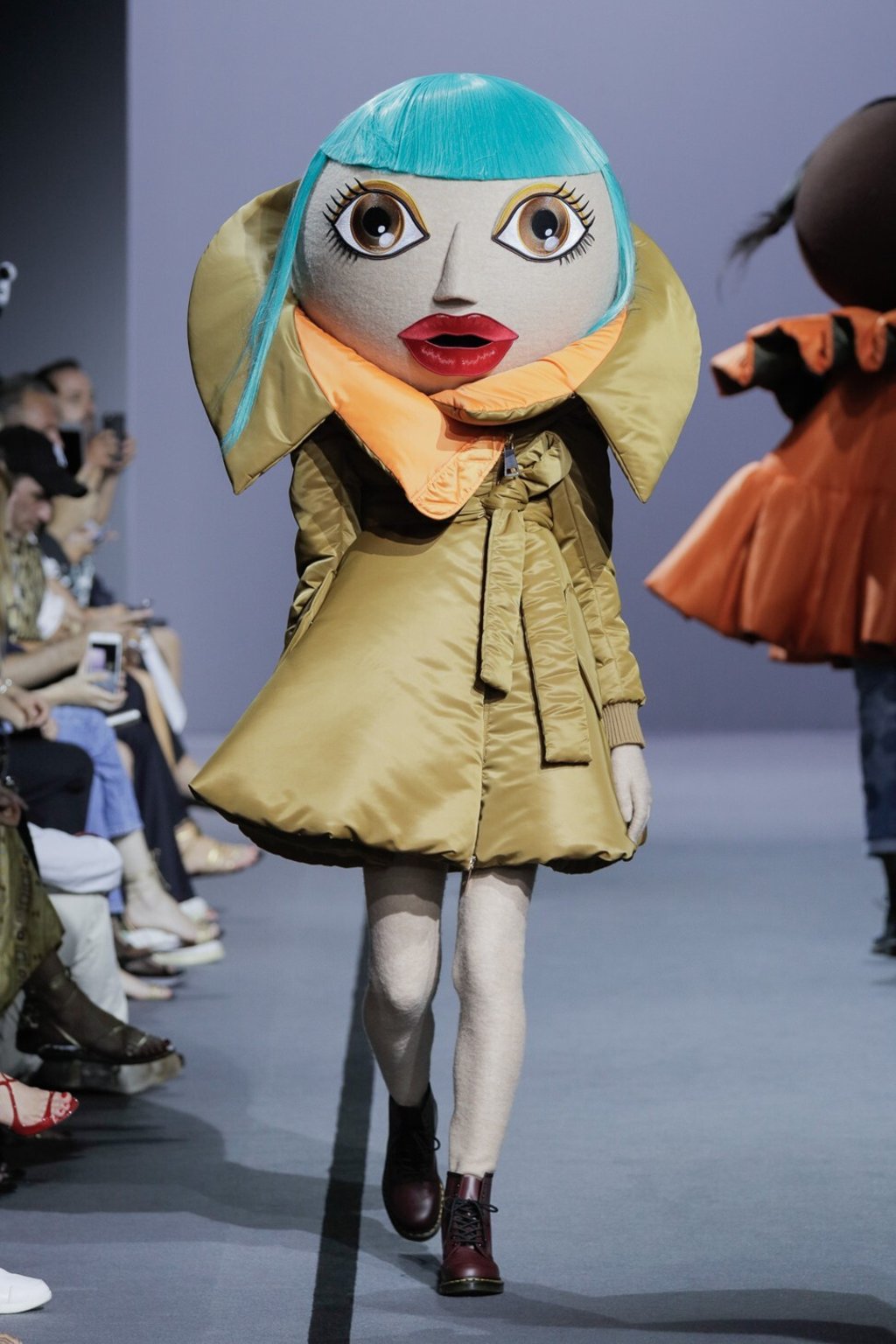
“Our designs are never one-dimensional. What we try to achieve is a certain layering, irony, humour, aggressiveness: it’s a mix of emotions that makes us modern,” said Horsting during our pre-couture-show meeting at Le Bristol Hotel in Paris, the city they call their “fashion home”, while being based in Amsterdam.
The two are often described as artists rather than fashion designers, completing commissions for museum exhibitions and dressing a clientele comprising mainly collectors and celebrities.
With avant-garde designs not just from Viktor & Rolf but their countrywoman Iris Van Herpen too, the fashion world is fascinated by the creativity of Dutch designers, channelling their norm-breaking inspirations. It might be indigenous influences at play, considering the country is also home to world-renowned artists Rembrandt, Vermeer, Bosch, Van Gogh, Mondrian and Appel; not to mention a freewheeling, urbane and notably liberal popular culture.
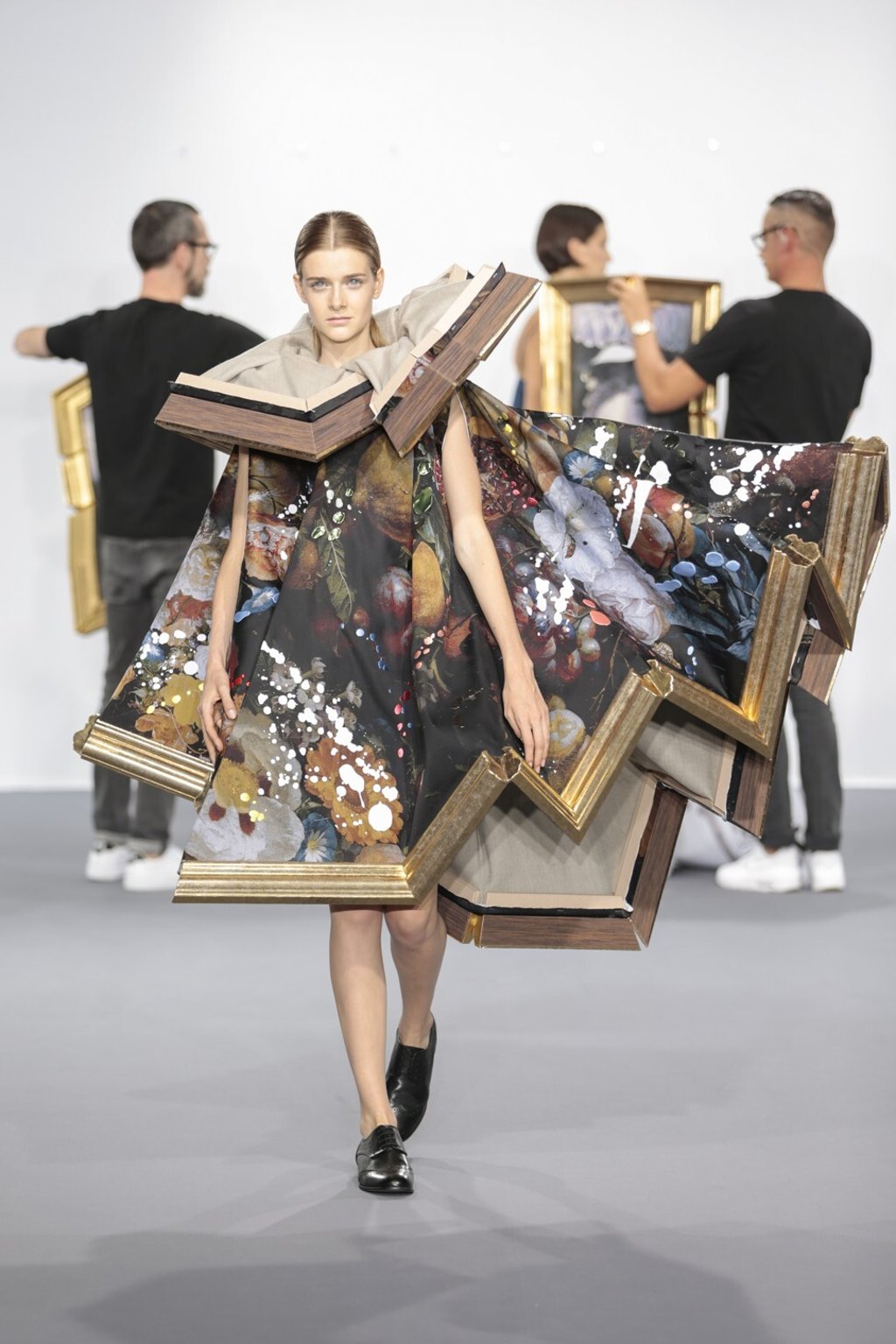
“Sometimes there’s an abstraction in our works. But it’s difficult to generalise because it’s who we are,” says Snoeren. “I don’t think we perceive ourselves to be so Dutch. One thing we love about fashion is that it’s such an international language,” adds Horsting.