Gay, queer, pansexual, monosexual – 11 LGBT and sexual identity terms explained

Hollywood actress Ellen Page came out as gay, pop singer Halsey is bisexual while actor Ezra Miller is part of a ‘polycule’ – how sexual orientation terms have evolved, and how the LGBT community uses them today
In June, the US Supreme Court decided that anti-discrimination employment protections apply to those under the LGBTQ+ umbrella – meaning that US employers cannot discriminate against employees for their sexual identity.
This rising awareness, coupled with the reach of social media and ever-increasing visibility, has led to more mainstream recognition of different sexual identities outside just “gay” or “straight”.
Sexual identity, or orientation, is the “gender that you are attracted to, or if you are interested in sex at all”, Jamie LeClaire, a sexuality educator, writer, and consultant, said. And there’s a wide array of sexual orientations that someone might identify with. Some people may find that multiple identities resonate with them, while others may choose not to identify with any.
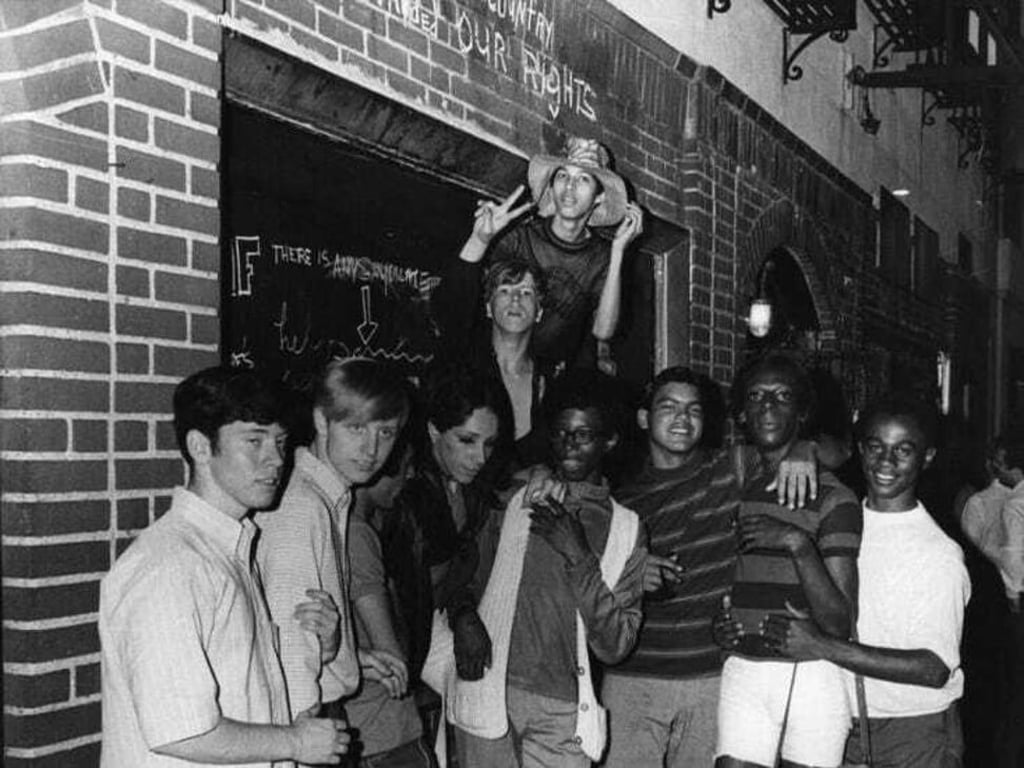
But the historical concept of sexual identity is relatively new. “The sexual identity in and of itself is a more recent phenomenon,” Dr Brandon Robinson, an assistant professor of gender and sexuality studies at the University of California, Riverside, said. “Terms like heterosexual and homosexual came about in the late 1800s. Identity is a more recent notion of who we are.”
There has also been resistance to the creation of sexual identity markers. In particular, philosopher Michel Foucault viewed the rise of identity markers as “a way for science to be like, ‘heterosexuality is right’ and we’re gonna label all these other sexual identities as deviant sexualities,” Robinson summarised.
Yet sexual identity can allow individuals to understand their own desires and help build community. Much of this community building takes place online.
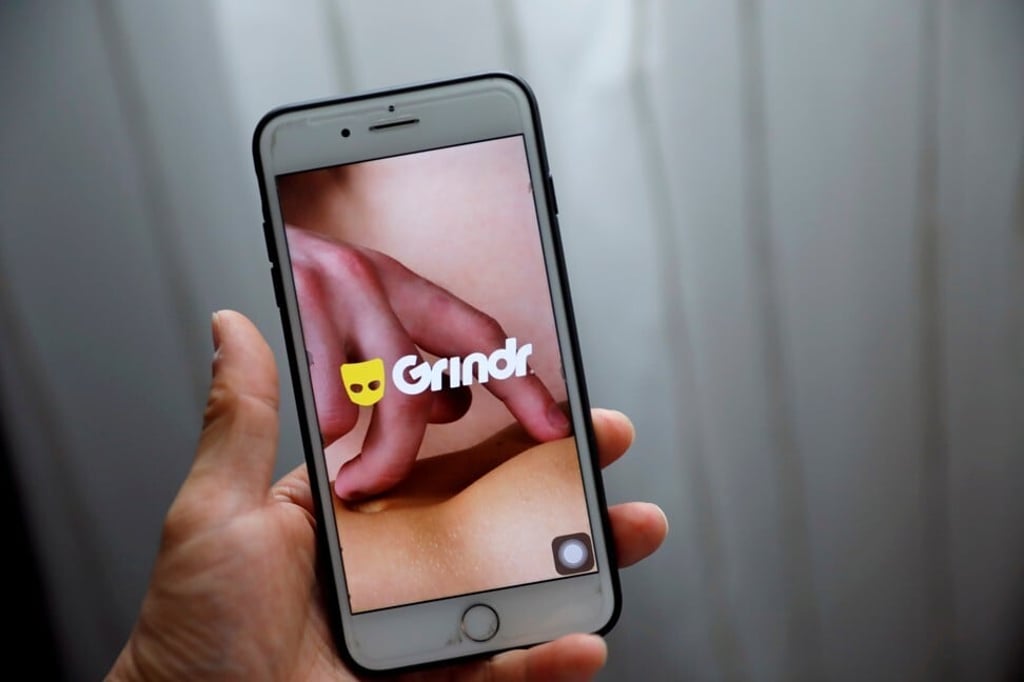
“I think social media has really transformed sexual identity, especially for sexual minorities, because often before social media, the only place you could find other LGBTQ+ people [in the US] were gay bars,” Robinson said. “Of course, those have an age limit. Normally you have to be 21 to get in. And so I think social media has allowed much younger people to find community.”