Philippines real estate: does Metro Manila’s move towards flexible online payment and virtual luxury home inspections make now a good time to invest?

A new report shows that, despite the pandemic, property prices in the Philippines are increasing – but do the figures tell the whole story? And how will the sudden lack of Chinese buyers affect the market?
As housing markets around the world softened during the pandemic, the Philippines would appear to be an outlier.
According to a report by its central bank, released in late September, nationwide residential property prices grew by 27.1 per cent year-on-year in the second quarter of 2020, recording the highest growth rate since quarter one 2016. The Bangko Sentral ng Pilipinas (BSP)’s report cited stronger demand for high-end projects as a key driver, pushing the average price per square metre upwards.
The greatest contributors to the price uptick were loans for the purchase of condominium units, particularly those in Metro Manila (the National Capital Region, NCR) and single attached or detached houses.
Joey Bondoc, senior manager at Colliers International, admits the firm has been “pleasantly surprised” by the performance of the pre-selling residential market in Metro Manila.
“In Q2 2020, take-up reached 8,700 versus 8,600 units a year ago,” he said. “In [the first half of] 2020, total sales reached close to 20,000 units – still a pretty good take-up compared to 22,000 units a year ago. That is a decent sales performance given the country, particularly Metro Manila, was under a strict lockdown during the period.”
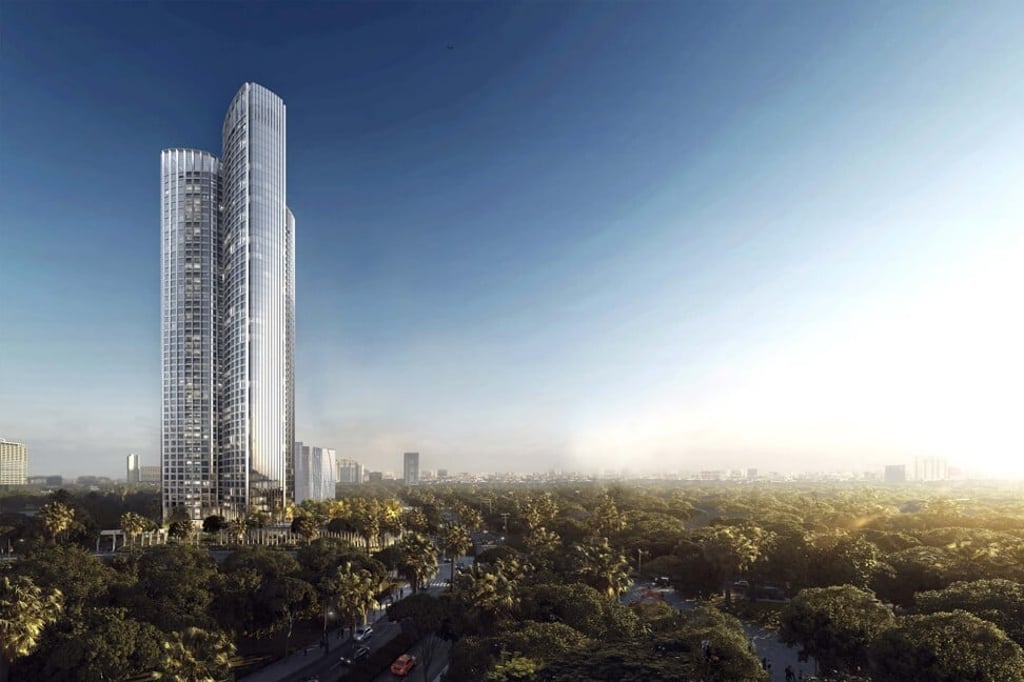
Bondoc also noted that on the pre-selling market, the mid-income, upscale, and luxury units (from US$65,855) accounted for 80 per cent of the take-up in the first half of this year, exceeding their 71 per cent share recorded during the same period in 2019. Price increases were especially evident in luxury projects in Mandaluyong, Quezon City, Makati fringe, and Ortigas Center, he added.
“We still attribute the good sales performance during the period to attractive payment terms offered by developers,” he said. “We see these flexible schemes being extended to buyers of mid-income to ultra-luxury projects. The developers’ shift to digital platforms also chipped in. The decent take-up figures indicate that there is liquidity in the market.”
Bondoc noted the drop in Overseas Filipino Workers (OFW) remittances is less than projected, while unemployment is starting to ease. “These (factors) should have a positive impact on the residential market across the Philippines,” he said.

“Note that OFWs partly drive demand for mid-income residential units in the country. House and lot projects in urban areas outside Metro Manila also continue to post a decent take-up from OFW investors.”