Indonesia real estate: Covid-19, relaxed foreign ownership laws and MotoGP are drawing property investors to tourist islands Bali and Lombok over Jakarta
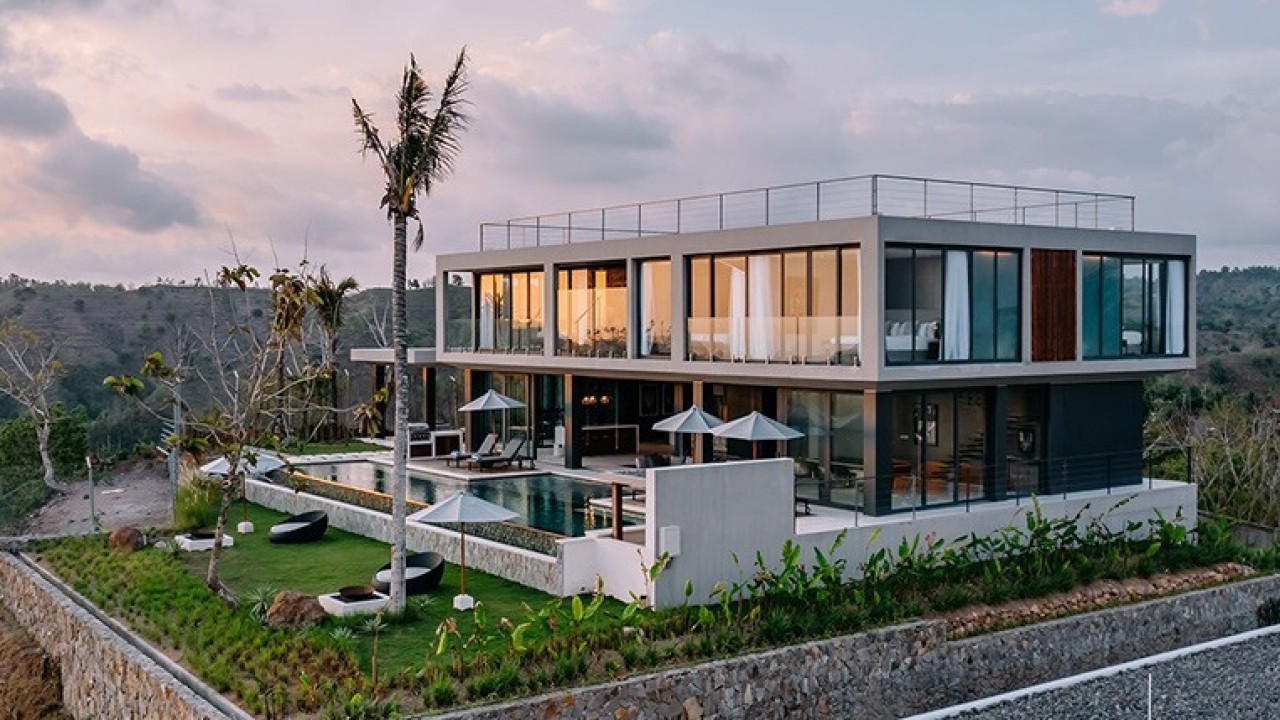
Game-changing law makes first or second homes in Canggu, Seminyak or Ubud, or further afield in Labuan Bajo in Flores, or even Raja Ampat in Papua, more than a pipe dream for smart investors with capital to spare
Indonesia’s moves to make it easier for foreigners to own property have been welcomed by the industry and end users alike. The Minister of Agrarian and Spatial Planning, Sofyan Djalil, whetted appetites when he reportedly told Indonesian property tycoons during a webinar in July that impending new rules would provide foreigners with similar ownership rights as locals. While that has not quite happened, the passing of the omnibus Law on Job Creation in October, which seeks to leverage foreign property investment as one of the pillars to reboot the nation’s economy after the pandemic, has made the pathway clearer.
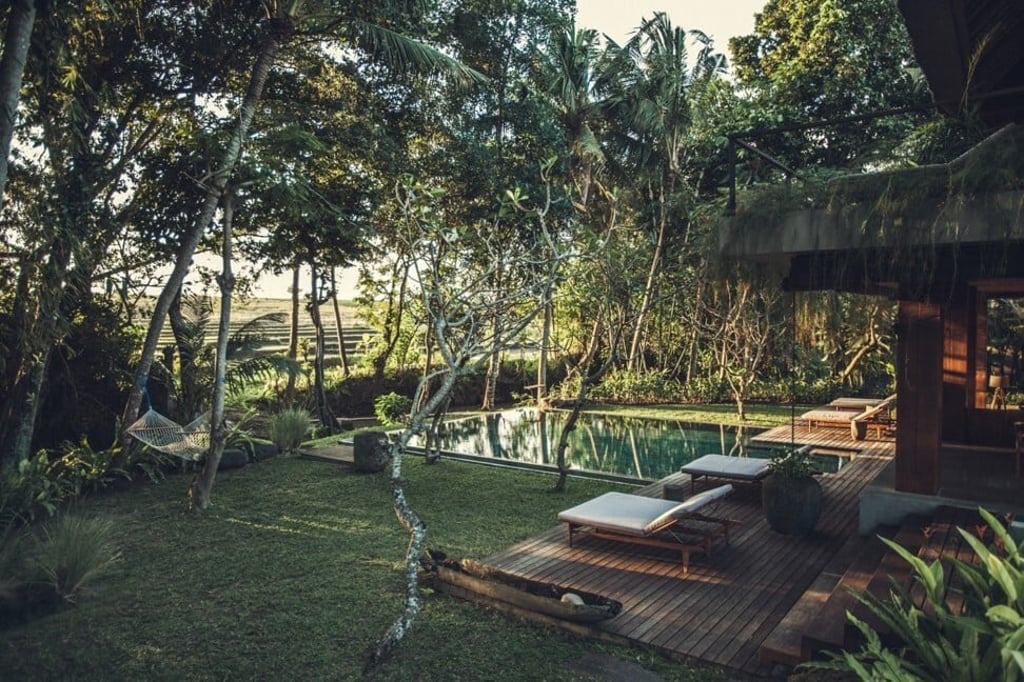
Terje H. Nilsen, director of Seven Stones Indonesia, believes the government could not go so far as permitting foreigners to own freehold (or hak milik) title, alongside Indonesians, as this would undermine the constitution and agrarian law. However, the changes do allow foreigners to purchase using an HBG (or “right to build”) title, which Nilsen describes as a “game changer”. “This will encourage foreigners to choose Indonesia as a first or second home option,” he said. “Especially now, when more and more people work from home, they can do so in places which offer a superb lifestyle, great weather, spacious homes – both indoors and out – and where food and entertainment are still very cheap.”
Nilsen estimates that Bali freehold prices, after climbing for years, have declined by about 25 per cent due to the pandemic, but even so many areas are still considered “too expensive” by investors. “We see more and more expats sourcing properties in less developed areas such as Tabanan, Amed, Ubud and other areas,” he said. With better infrastructure and larger communities these can be just as good, or even better investments than hotspots such as Canggu, Seminyak and the Bukit, he suggested.
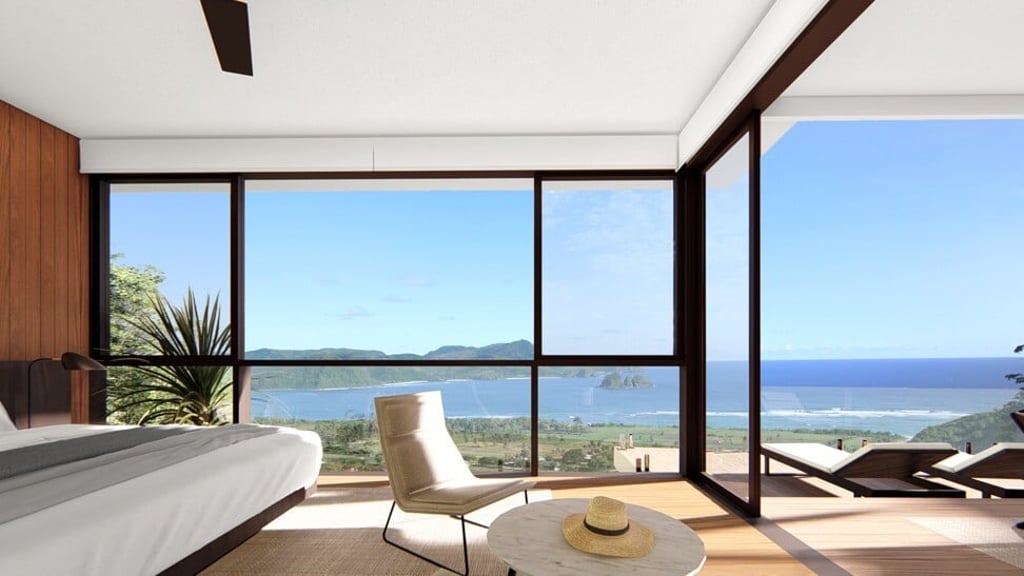
Among the “exciting developments” attracting investors at the moment are construction of the street racing circuit and ancillary infrastructure for the MotoGP Indonesia coming to Mandalika, Central Lombok, in 2021, and the massive marina redevelopment on the picture-perfect island of Flores, designed to welcome yachts, ferries and cruise ships. Andrew Corkery, founder and CEO of Selo Group, believes that while the changes won’t affect legacy title, they will benefit developers and end users going forward and are “very positive for longer term foreign investment”.
Hongkongers typically account for 40 per cent of Selo Group’s resort developments in Indonesia, and Corkery believes the company’s newly launched sustainable prefabricated luxury villas, which can be assembled on any site, will add to the archipelago’s attractions. Building the villas inside a custom facility in a parallel construction process, as well as a controlled environment, helps to save costs, while eliminating exposure to the elements and minimising construction waste, explains Corkery.
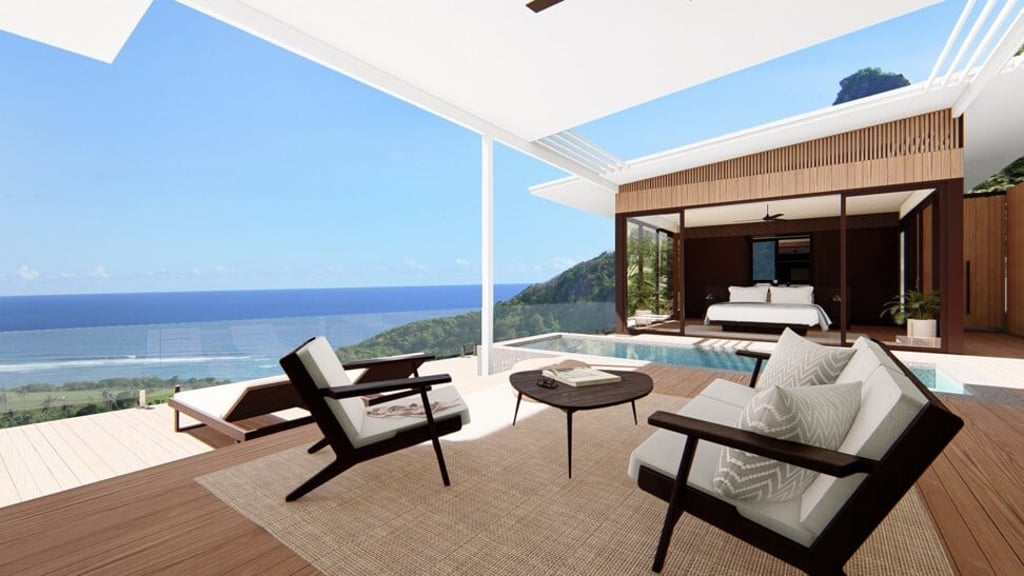
Selo Group’s pre-crafted villas are available from US$650 per square metre (excluding land). The time for installation on site is from a couple weeks upwards, depending on the location. The company is also constructing two more resort properties in Lombok.