Is Bali the best place to be a digital nomad? After real estate prices fell up to 50 per cent, there’s bargain beachside homes in Seminyak and Canggu ideal for long-term WFH

- Bali property prices tanked by up to 50 per cent when Indonesia shut down the idyllic island to foreign visitors – but borders reopened to travellers on February 4
- With luxury holiday villas starting at US$200,000, smart investors and digital nomads alike are sizing up real estate steals with prices set to rocket quick
After Bali’s February 4 reopening of borders to international visitors, hopes are high for a turnaround in the beleaguered property market on Indonesia’s most popular tourist island.
If so, this could be the end of a downturn more prolonged than even that in the aftermath of the terrorist bombings of the early 2000s.
The bombings, like Covid-19 now, devastated Bali’s tourism and stalled development, but agents say the property market recovered quickly then, with relatively little impact on prices.

The pandemic’s blow was harsher: compared to 6.3 million international arrivals in 2019, numbers fell to just 1.07 million in 2020, and a meagre 51 arrivals for all of 2021, data from Bali Central Statistics Agency shows.
Dominique Gallmann, co-founder of Exotiq Property, a Bali-based real estate agency in business since 2002, has weathered downturns before. This one is different, he says.
“After the bombings, the market basically shut down for a period of 10-12 months – and then it started ticking again, almost as if nothing had happened,” he said. “This time it’s lasting much longer. Nothing like this has ever happened before.”
With no official tracking data to go by, Gallmann says it is “very hard to read a trend”, but notaries and other property agents he talks to concur that “the market has definitely been soft”. “Some villa owners have had to sell very much below their expectations,” he adds.
In March 2020, Nathan Ryan, founder of Bali Realty, saw the once-lucrative rental side of his business crash to zero overnight. Desperate vendors, unable to use or rent out their properties, let them go for as little as half the original asking price. Overseas owners were the hardest hit.
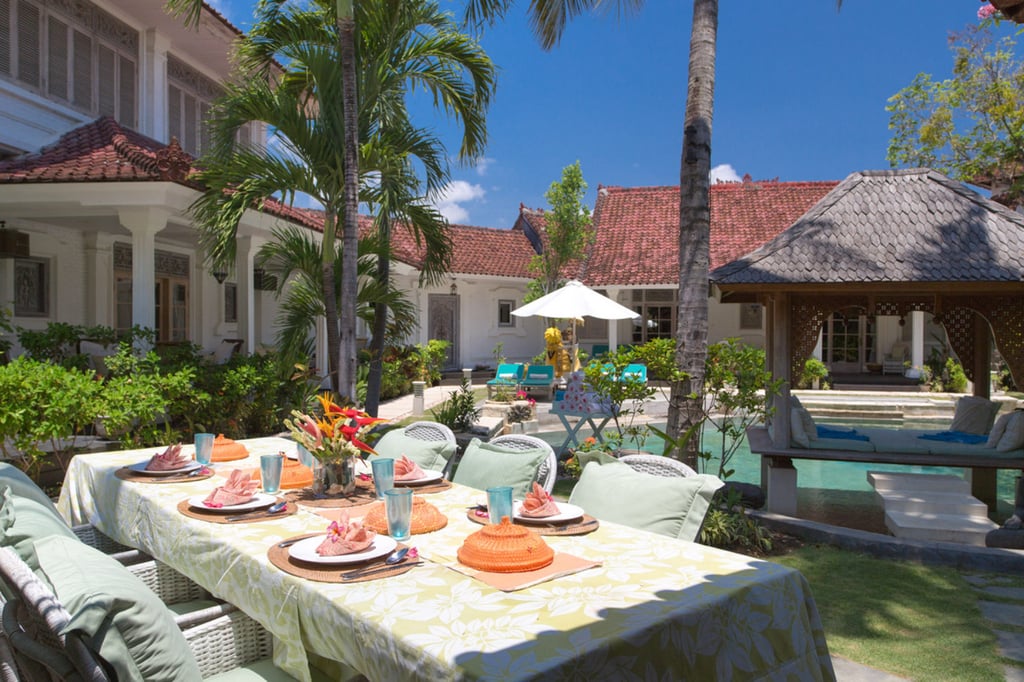
“Bali has two very distinct markets,” Ryan explains. “Only Indonesian citizens can purchase freehold (property), so that has stayed relatively strong, with no price falls observed.
“However, with leasehold property, primarily held by Western investors, we’ve seen falls of 20 to 30 per cent, and closed a couple of deals last year at a 50 per cent price reduction.”
In one extreme case, an overseas owner is said to have sold his beachfront apartment in Legian for US$155,000, after paying US$450,000 for it nine years earlier.