Luxury Hong Kong homes are losing value faster than anywhere in the world – while US cities Miami, LA and San Francisco top Savills’ 2022 global high-end property index

- US cities fill four of the top five slots in Savills’ new global list of prime residential real estate – while Hong Kong, Sydney and Shanghai are the only locations where homes are losing money
- Buyers are attracted by Miami and Los Angeles’ weather and living conditions, while a newly booming Dubai ranks fourth on the index – ahead of even New York City
Four US cities dominate the leader board in a new measure of residential property market gain over the first half of 2022 – while Hong Kong sits at the very bottom, as one of only three cities to lose value in luxury home segment.
Miami, Florida, tops the “Savills Prime Residential Index: World Cities”, with homes gaining 12.5 per cent in six months, defying pressure from rising interest rates.
Properties in second-place Los Angeles gained 6.5 per cent while in third-place San Francisco they were up 5.5 per cent, the prime capital values in both surpassing their pre-pandemic levels. In New York City, fifth on the list, values gained 4.3 per cent but are yet to return to their 2017 peak.
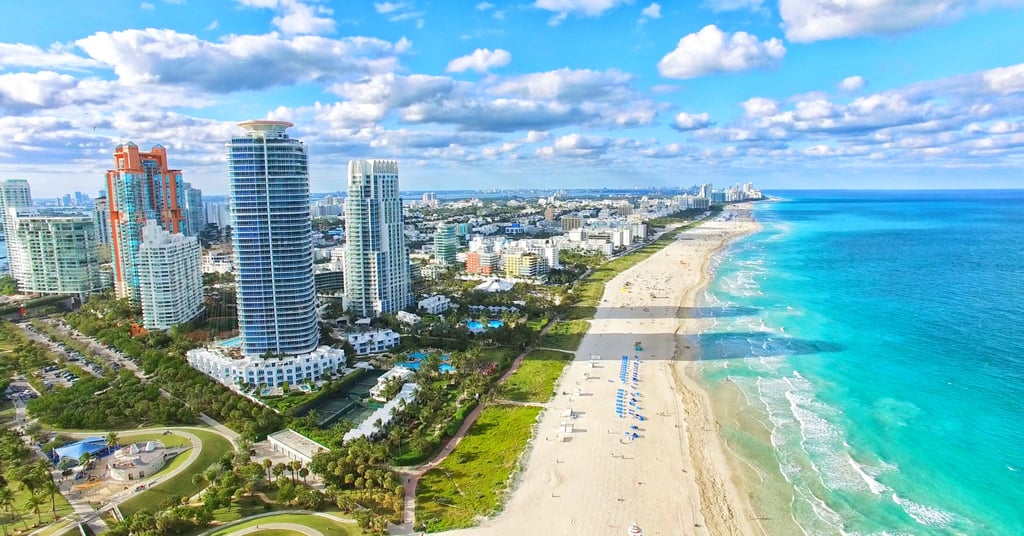
Dubai, UAE, the only non-US city to make it to the top five, is ranked fourth with 4.7 per cent capital growth.
Between December 2021 and June 2022, 90 per cent of the 30 cities in the Savills index reported positive capital value growth, with an average of 2.4 per cent – showing, Savills says, the resilience of the world’s residential city property markets.
The only cities showing negative growth were all in Asia-Pacific: Shanghai (-0.9 per cent), Sydney (-1.7 per cent) and bottom-ranked Hong Kong (-3.0 per cent).
Rory McMullen, head of North America desk, Savills Private Office, says the results show that the migration of wealth throughout the US is more prevalent than ever. “Even with early signs that inflation and rising interest rates are slowing some of the prime markets, the increase of flexible working patterns and the movement from high-tax states continue to drive investment,” he said.