Explainer / Fed up of retinol burn? Try ingesting it for anti-ageing benefits without red skin: this global beauty market of vitamin A and beta-carotene supplements is expected to reach US$8.3 billion by 2030

- Today, retinol is known as an essential skincare ingredient that keeps your complexion fresh and plump, and reduces fine lines and wrinkles – but it also irritates and inflames the skin
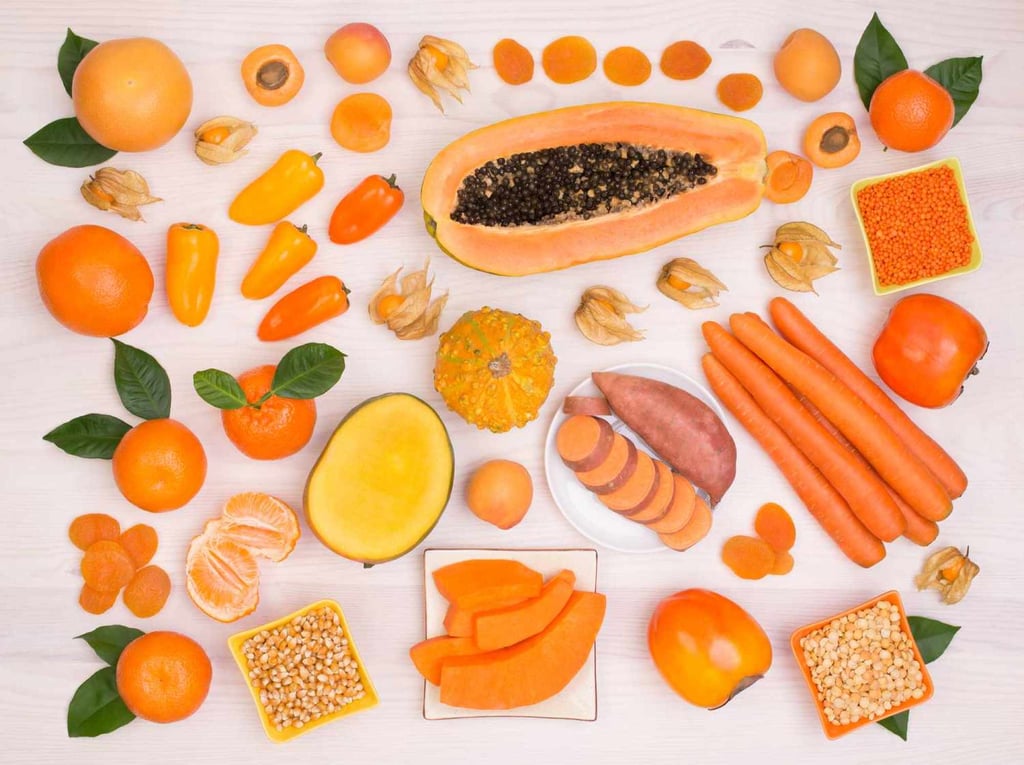
- Is ingestible retinol the solution? Instead of eating masses of carrots for vitamin A benefits to the skin – which can be bad for your health – try beta-carotene supplements or pro-retinol
Thankfully, there are new alternatives allowing you to ingest it rather than slather it on your skin and wait for it to peel. However, many still question the efficacy of these products when compared with the topical versions.
Read on for a brief explainer on all-things related to retinol and its ingestible cousins …
What is retinol burn?

Retinol temporarily increases cell turnover, peeling off more dead-skin cells than usual. Unfortunately, this can lead to your skin being exposed to environmental factors before healthy new cells form over the skin’s surface, which can translate into redness, inflammation and irritation.
Although these possible side effects haven’t stopped retinol becoming one of the most in-demand ingredients today, new alternatives have become popular as consumers wonder if it’s possible to get the benefits of the powerhouse ingredient without risking your skin’s microbiome.
Ingestible retinol enters the chat
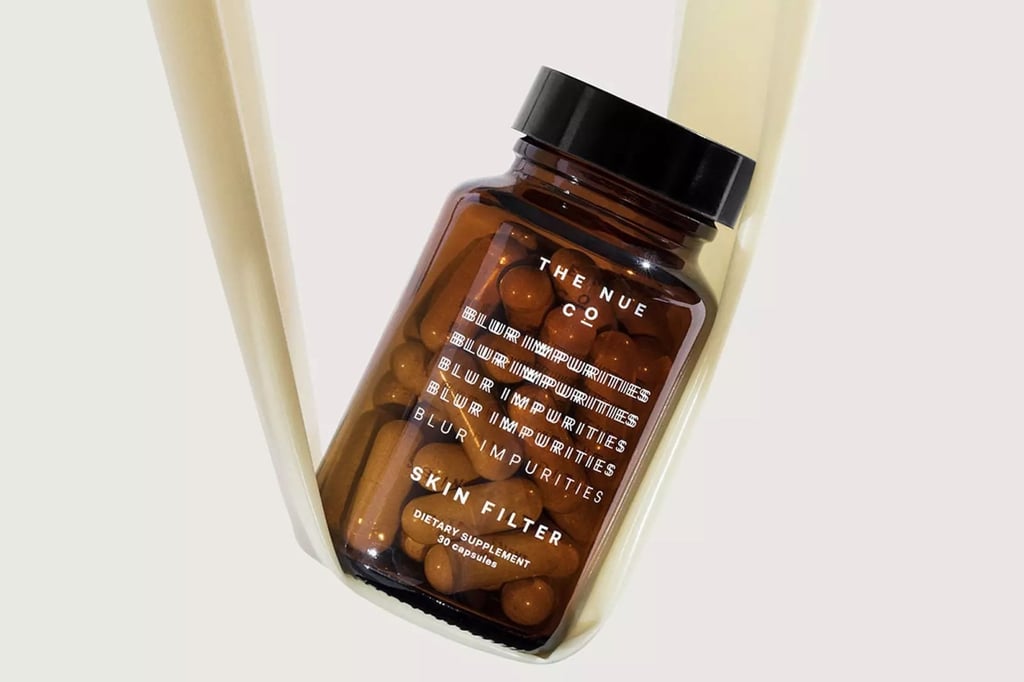
“The reason topical retinol causes these side effects is because the skin itself is metabolising the ingredient and converting into retinoic acid,” says board-certified NY-based dermatologist Dr Michele Green. “Consuming retinol through ingestible sources has fewer side effects because the ingredient is being metabolised through the body itself, which doesn’t allow the skin’s barrier to be disrupted.”
Based on a report by InsightAce Analytic, the global beauty ingestible market size is expected to reach US$8.3 billion by 2030, as the skincare industry is fascinated by the development of ingestible beauty and the “you are what you eat” approach.
How does ingestible retinol work?