The legendary Lei family of architects who built China’s world heritage sites

We take a look at the work of eight generations of the family who built lavish buildings – some of which survived 1911 revolution that ended Qing dynasty
Twenty years ago, China’s Summer Palace and the Temple of Heaven in the capital, Beijing, were placed on the list of Unesco’s protected cultural World Heritage Sites.
Beijing’s Forbidden City and Hebei province’s Chengde’s mountain resort and its outlying temples – originally used as a summer palace – and the Western and Eastern Qing Tombs were also added to the list by the specialised UN agency in 1987, 1994 and 2000, respectively.
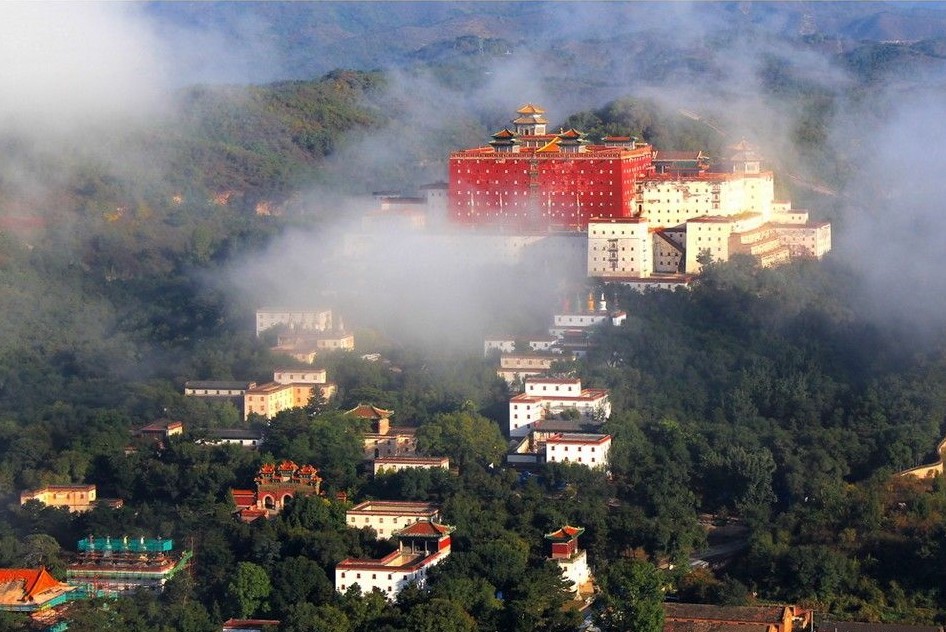
Many people around the world will have heard of most of these renowned sites because they are all popular tourist attractions.
However, few people will know that all five sites were created and built by a dozen members of the Lei family of architects for eight generations, who presided over the design of imperial buildings for 200 years up to the end of the Qing dynasty (1644–1911).
Today, these imperial palaces, gardens and mausoleums are known in Chinese as Yangshi Lei, meaning “Lei style” architecture.

Up to 2017, there were 36 sites in China that had been listed as Unesco World Heritage Sites, which means that almost one seventh of these buildings were created by the Lei family craftsmanship.