‘I love men’: how geisha celebrate Lunar New Year in Kyoto

Usually demure women let their painted masks slip for one night of the year – on February 3, or ‘Setsubun’ – when the entertainment is quite different
The stunningly attired geisha opens the folds of her kimono to reveal a message stitched on the inside. It reads, “I love men”. With a deft flick, she reveals another message hidden within the opposite side of her fantastically expensive clothing, declaring “I love money”.
This is not the sort of behaviour for which Kyoto’s legendary geisha are known.
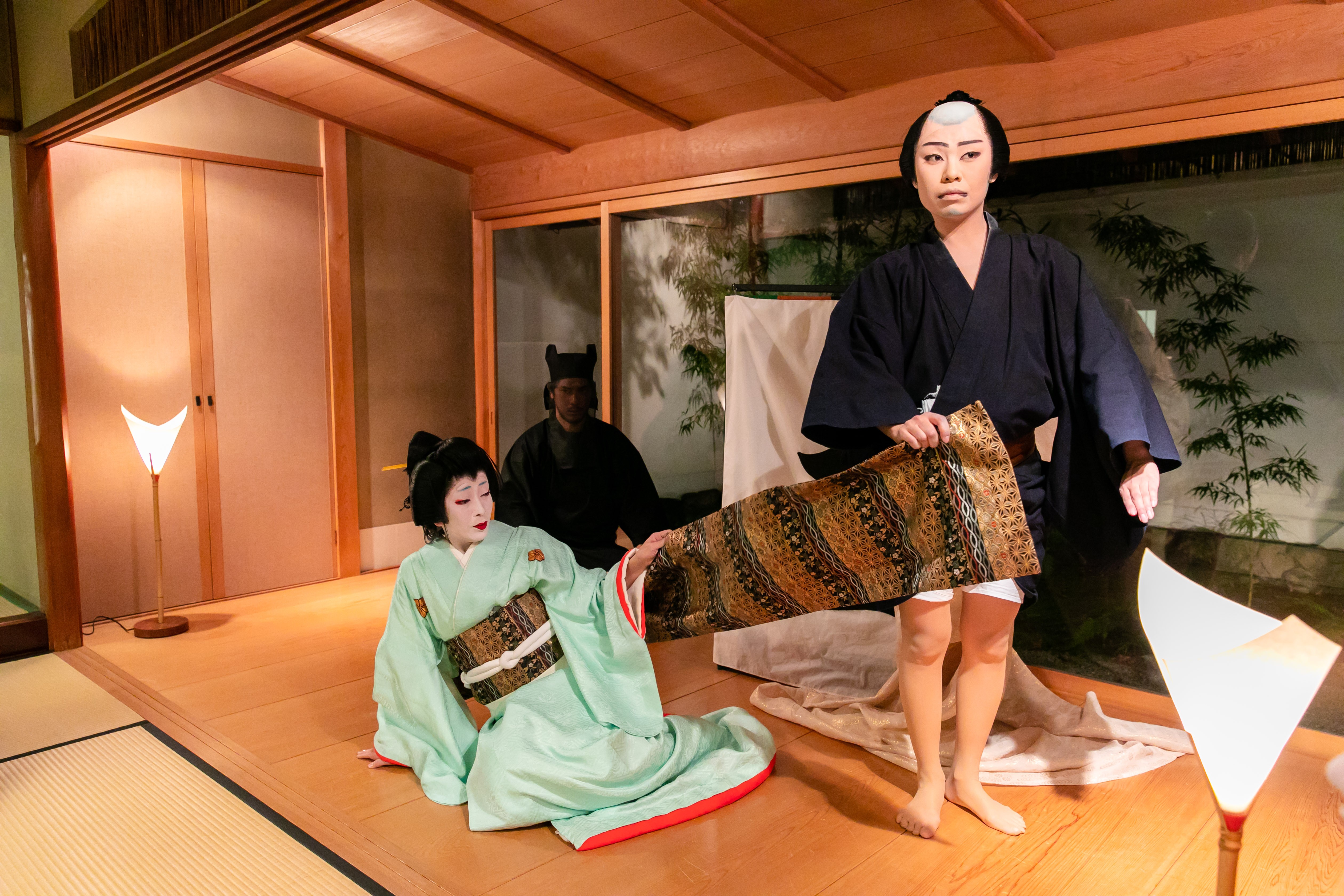
Typically, these elegant and graceful women are demure and skilled at pouring guests’ drinks, or engaging in conversation before they perform time-honoured dances accompanied by traditional music on shamisen or flute. They smile, they compliment, they are dignified.
But they do have another side, and it is one that is largely unknown beyond insiders to Kyoto’s hanamachi, or flower towns.
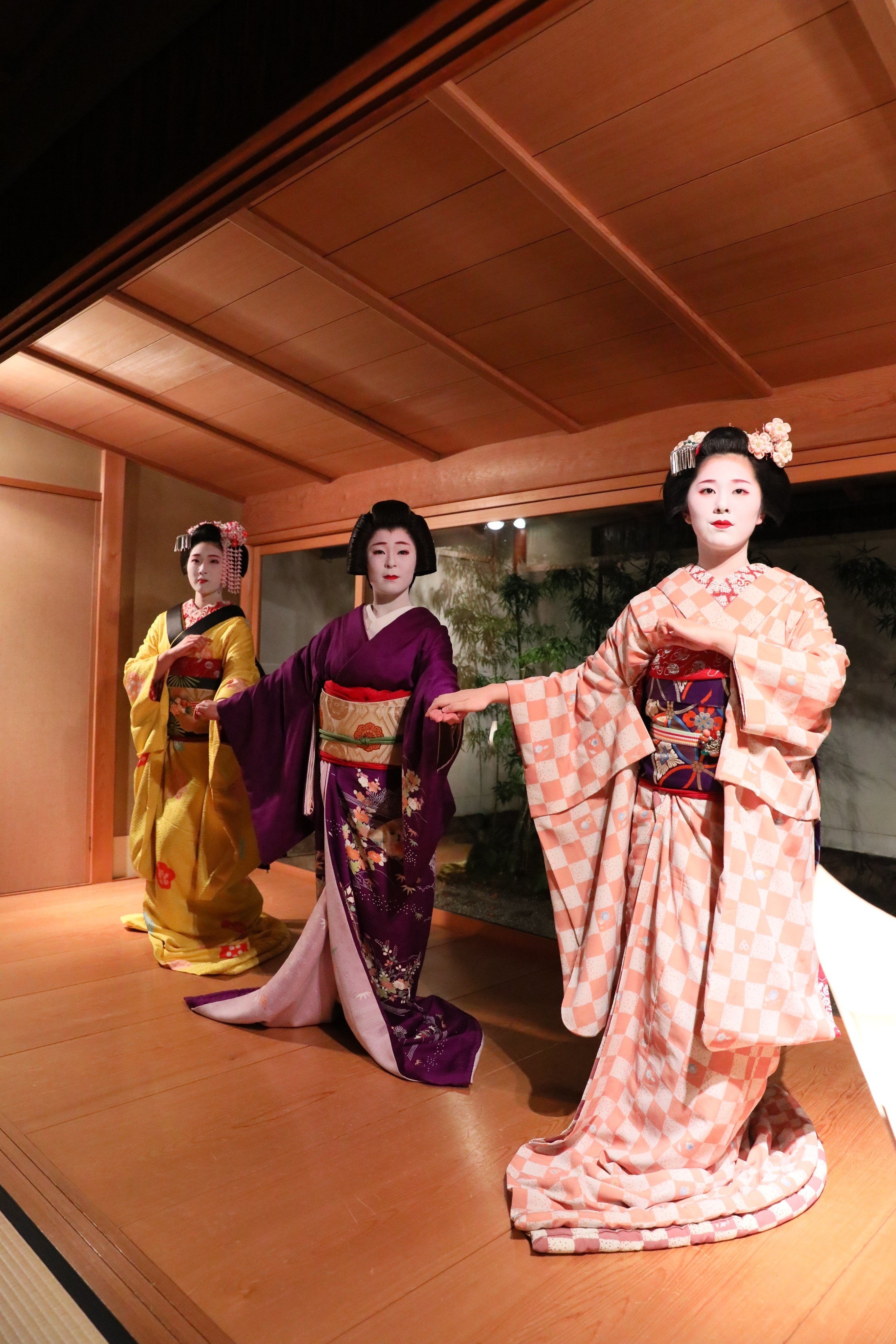
On one night of the year, the February 3 transition into the new year under the traditional lunar calendar that is known as Setsubun, they let their painted masks slip and the entertainment is quite different.
Setsubun is marked at ordinary homes across Japan on the same evening, with children encouraged to hurl roasted soybeans at a member of the family who wears a demon mask and shout “Demons out! Good luck in!”