Q&a / Antonin Tron on founding Atlein: from textile development in the name of sustainability that was ‘like taking a Rolls-Royce and crashing it into a wall’, to an unexpected collab with Kylie Jenner

Based in Paris, the indie label – whose name is an amalgamation of ‘Atlantic’ and the German word for ‘alone’ – is the designer’s answer to his frustration with the way many luxury houses operate
When Antonin Tron, a veteran of brands such as Balenciaga and Louis Vuitton, established Atlein in 2016, he had lofty ambitions of starting a fully sustainable ready-to-wear label. The designer, however, soon realised how difficult it would be to achieve that goal. While sustainability and social responsibility are still key tenets of the brand’s ethos, Tron – an avid surfer with a strong connection to nature – eventually had to figure out a way to make clothes as responsibly as possible, without sacrificing the kind of quality that luxury consumers expect.
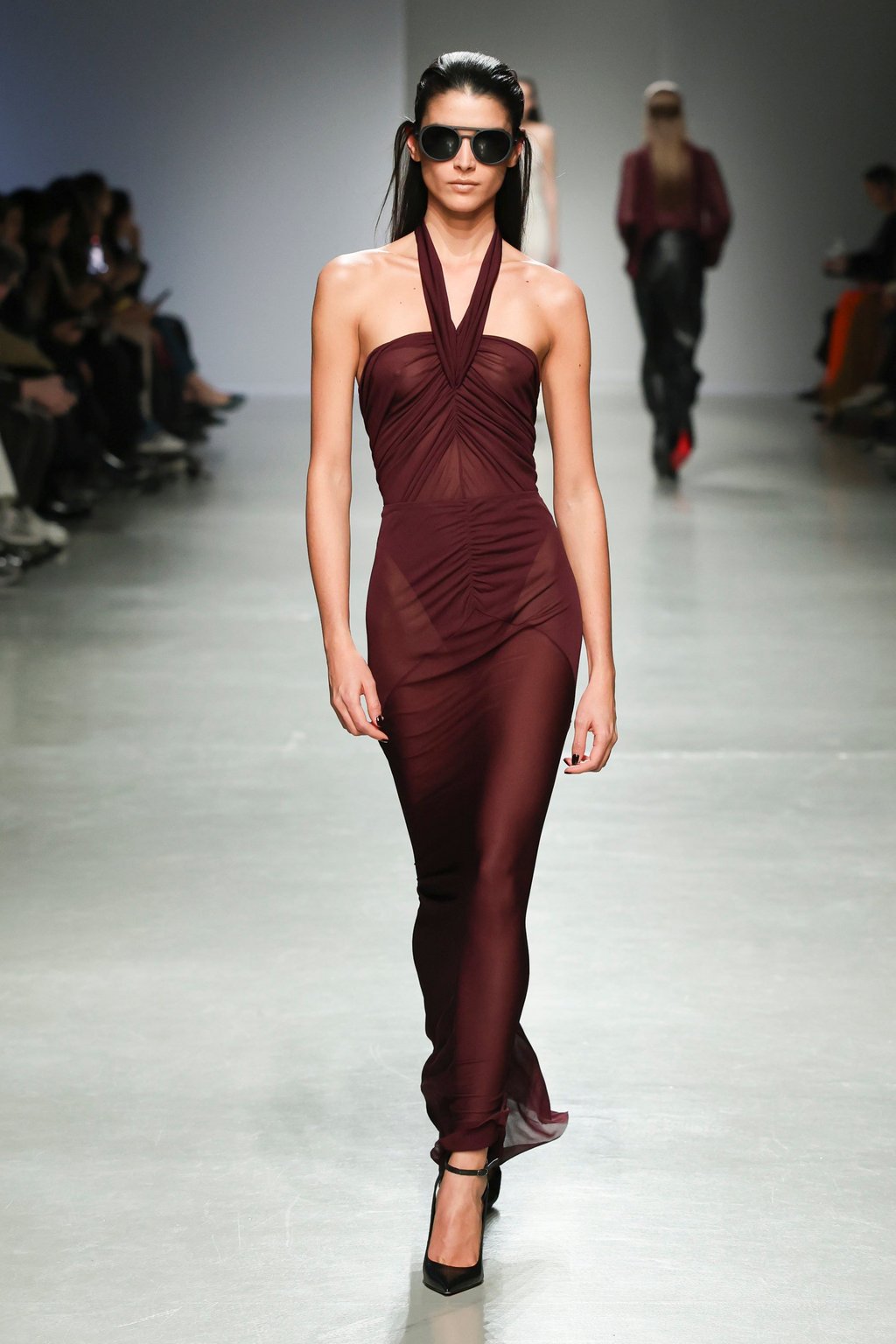
Known for its sculptural jersey dresses, Atlein – the name is an amalgamation of “Atlantic” and the German word for “alone”, allein – is Tron’s answer to his frustration with the way many luxury houses operate. Based in Paris and working with a small team of full-time employees, including his life partner and co-founder, Tron says that while he learned plenty from working at big brands, the industry still needs independent labels like Atlein that do things differently. We caught up with the designer before the brand’s autumn/winter 2025 show during Paris Fashion Week.
What inspired you to start Atlein almost a decade ago?
I wanted to create my own world and my way of working because as a designer … I was not finding satisfaction in the way big brands work, and I wanted to create a new maison. Beyond a brand, I want it to be a house with an atelier and a certain level of craftsmanship – a maison as my own thing, with a strong identity. I want it to grow but to also keep it intimate, like Rick Owens does.
Tell me about your early days as a founder ...

What about your focus on sustainability?
We started with a radical point of view, back when nobody was talking about sustainability. I visited [our factory] and they had this huge amount of dead stock [obsolete inventory]. We started doing textile development, which was insane – like taking a Rolls-Royce and crashing it into a wall in terms of financials, because it’s so expensive. We developed these fabrics from fishnets with a company based in Spain, and this jersey, which we used a lot in our collections, but we had so many production problems and sometimes the fabric had no stretch; we almost had to close because of those issues.