‘I don’t have a philosophy running through my projects’: a conversation with Naoto Fukasawa

The legendary product designer gave an exclusive interview to Style on the sidelines of Hong Kong’s BODW In the City, an extension of Business of Design Week
In an age when seemingly every design comes with its own ideology – from brutalism and postmodernism, to art nouveau and back to nature – Naoto Fukasawa claims not to have an overarching design ethos.
“I don’t have a consistent philosophy running through my projects,” the Japanese product designer tells Style in an exclusive interview on the sidelines of BODW In the City, which closes on January 18 (its original schedule having been lengthened beyond December) and is an extension of the Hong Kong Design Centre’s annual Business of Design Week event. It is a surprising claim, perhaps, given a consistent body of work that has long been celebrated for its purity of form, tactile warmth and quiet sophistication.
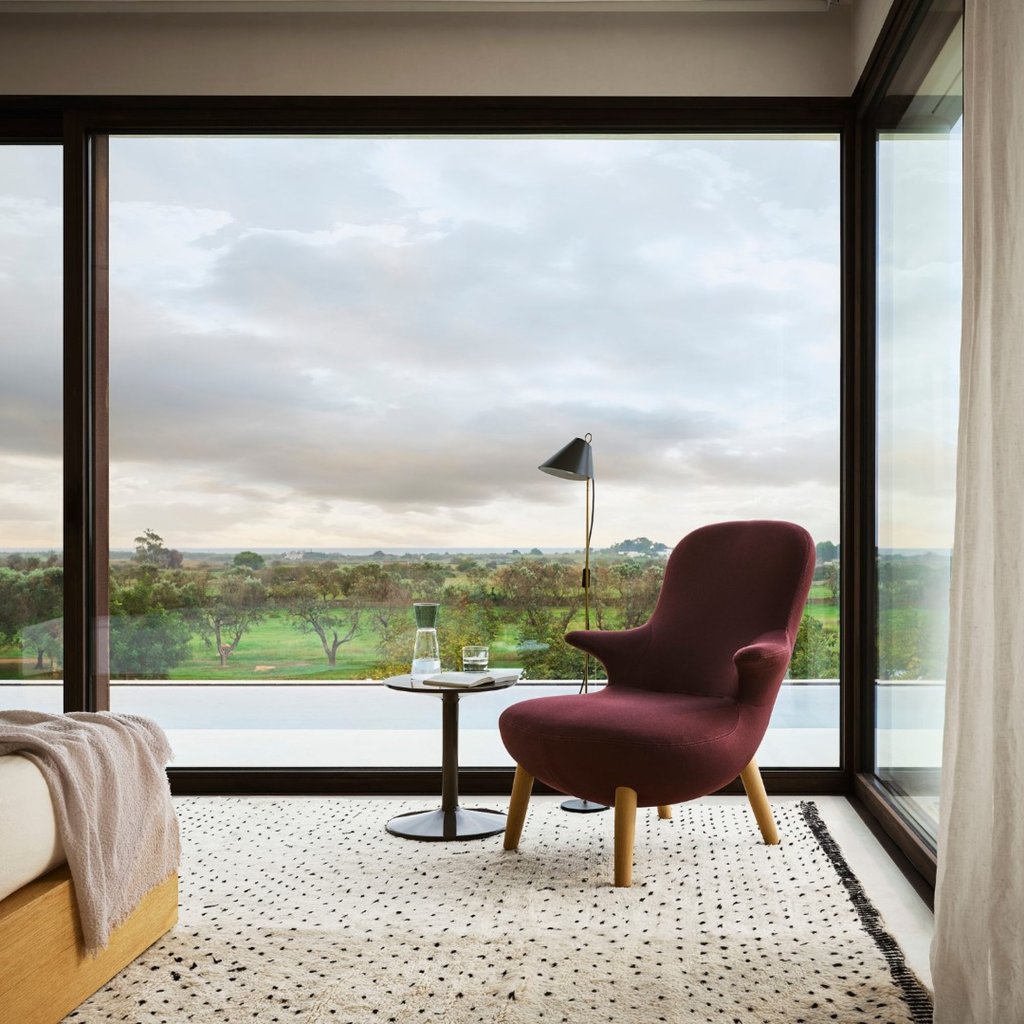
Fukasawa is not interested, he says, in expressing his own design philosophy but rather, in creating objects that give the people who use them a feeling of “rightness” – his description for the sense of an object symbiotically belonging with its user. “Not just existing independently, but harmonising with the environment,” he adds.
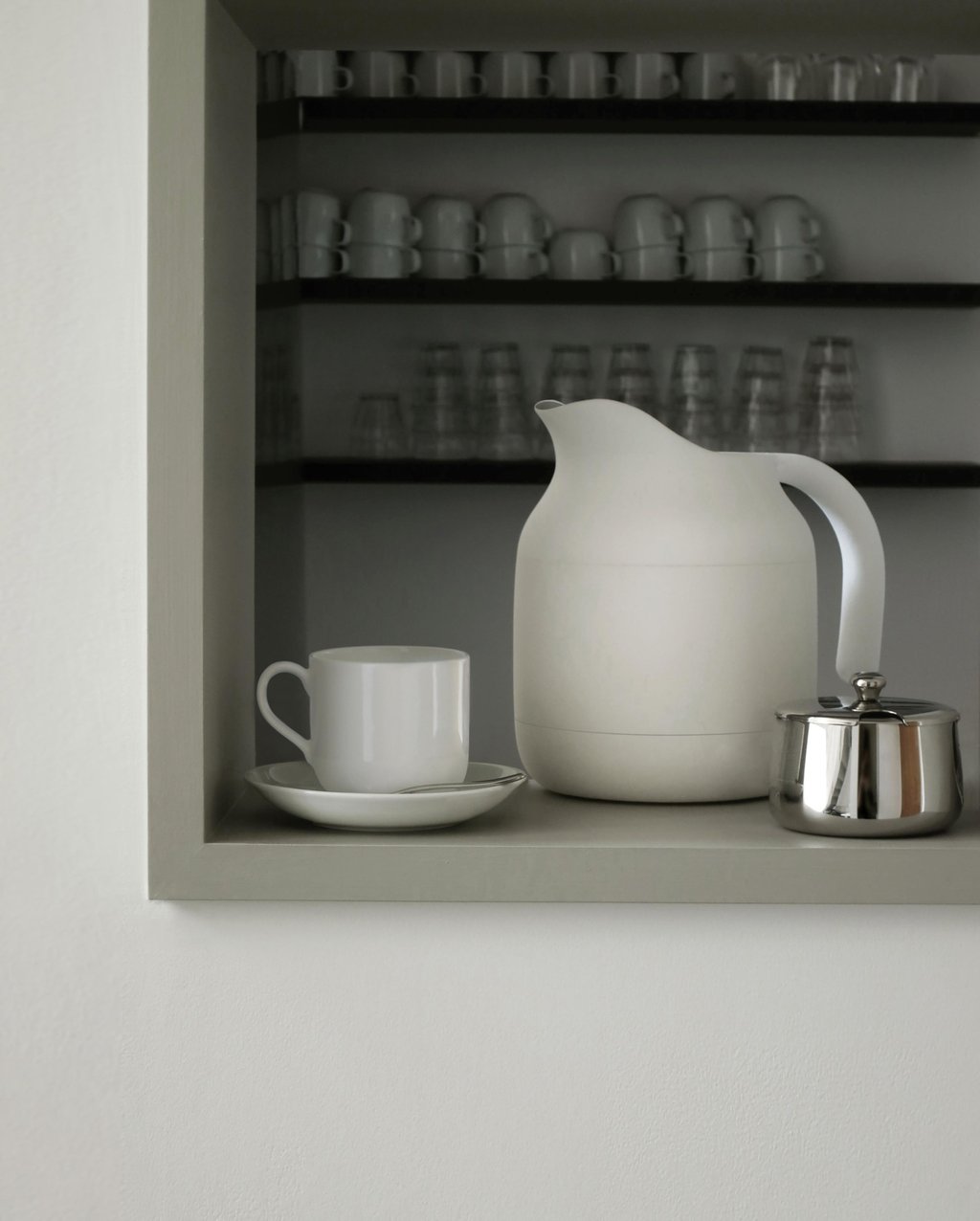
Some might venture that this sounds very much like a philosophy in itself. But Fukasawa counters that there is no ideology underpinning this approach, and all he is trying to do is create holistic unity in the user’s environment. “I’m trying to harmonise all the things existing around you,” he says. To the designer, the important thing is to recognise that no product exists in isolation. Even when it comes to something seemingly as simple as a water bottle, he says, “We have to consider all of life.”
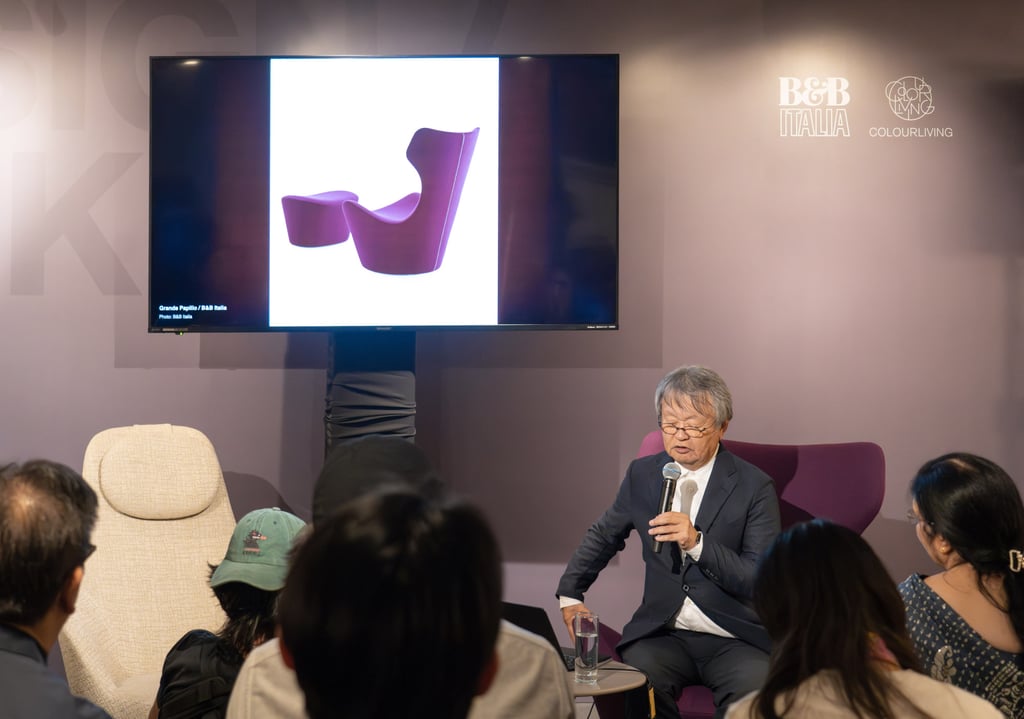
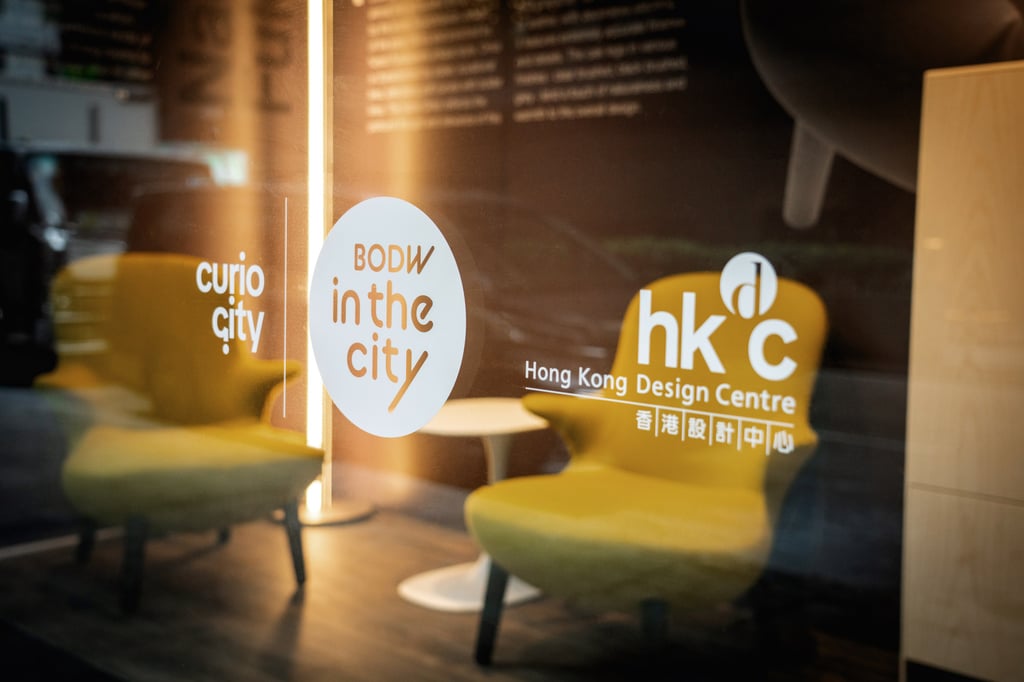
Fukasawa was in Hong Kong to give a talk at renowned Italian luxury furniture brand B&B Italia’s showroom, at the lifestyle emporium Colourliving, in Wan Chai, on the first day of BODW In the City, last November. He says that he’d wanted to work with B&B Italia for a long time before the collaboration came about, as on his many trips to Italy over the years, he was drawn to what he describes as the brand’s focus on “life quality”.
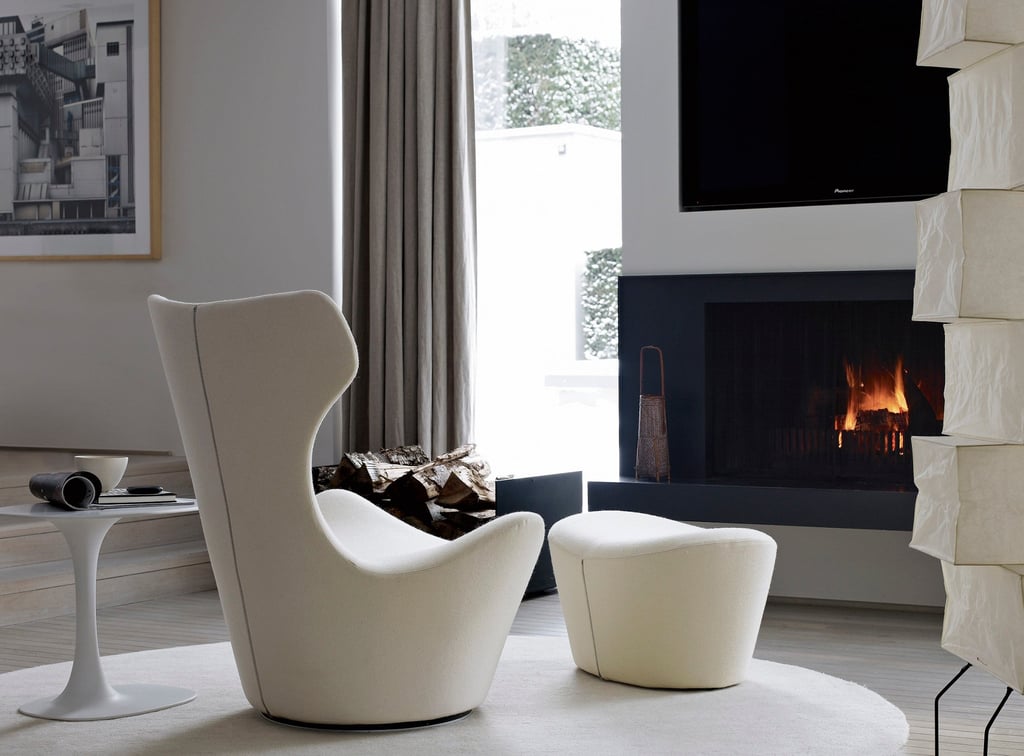
As a case in point, consider his Grande Papilio armchair (2009) for B&B Italia. With its imposing throne-like height, the chair’s form appears to contradict another Fukasawa belief: that products should be in the background because human life is in the foreground. So, could it be that sometimes clients want him to create something that stands out – like this piece? “Sure, sure,” he replies. “But those are two different functions. One is just to be there, as a sculptural form. But if you use it, then it has to be easy to use. So beauty is one of the functions.”