Advertisement
Advertisement
Advertisement
Icons & Influencers

Designer Hung La on the inspo behind his ‘bad boy’ brand Lu’u Dan

STORYGloria Tso
Hung La of Lu’u Dan at Fashion Asia’s “10 Asian Designers to Watch” exhibition in Hong Kong, in December 2025. Photo: Handout
Icons and Influencers

La’s misspent youth crystallised into a subversive style whose celebrity fans include Justin Bieber, Billie Eilish and Lewis Hamilton

“It’s a story of potluck, karaoke, gambling, smoking,” London-based designer Hung La muses as he leans back into the sofa on a recent stopover in Hong Kong. He looks relaxed, making himself at home somewhere far from home, reflecting on the mix of influences behind his hit menswear brand Lu’u Dan, the Vietnamese term for a “dangerous man” or “bad boy”. All that’s missing as La tells this story is a cigarette dangling from his mouth.

“I’ve come full circle in my life and career,” he says. “All the things I grew up embarrassed about, I’ve learned to appreciate. That’s how the community got together – late nights around bone broth [pho], lots of gambling. I rejected that. Now I look back, and that was so colourful, so beautiful, so rich.”
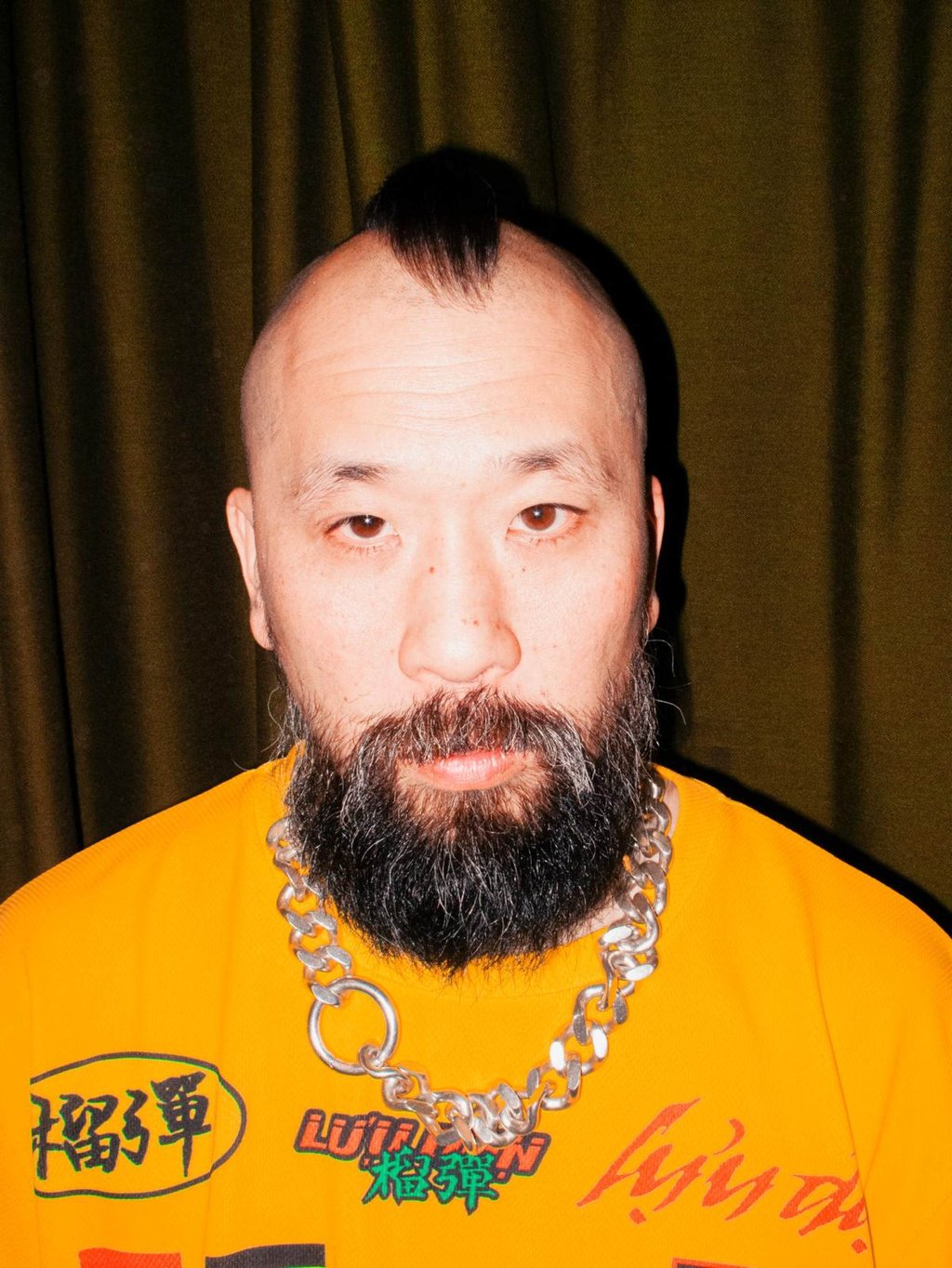
Hung La, founder of menswear brand Lu’u Dan. Photo: Handout
Advertisement
Maybe La feels most at home wherever he’s wearing his brand’s clothes. With their baggy fit and his mohawk, he still looks every bit the bad boy, though he ditched his earlier self-destructive lifestyle some time ago. He spent time in rehab in his early twenties, and has been sober ever since. La’s rebellious streak – both a result of and a response to his Vietnamese-American heritage – now lives on through Lu’u Dan. The Balenciaga and Celine veteran has conjured a visual aesthetic out of this story, like a moodboard of the Asian-American experience, complete with emotional turbulence. How he ultimately learned to look himself in the eye and even hold a mirror up to society is another story.
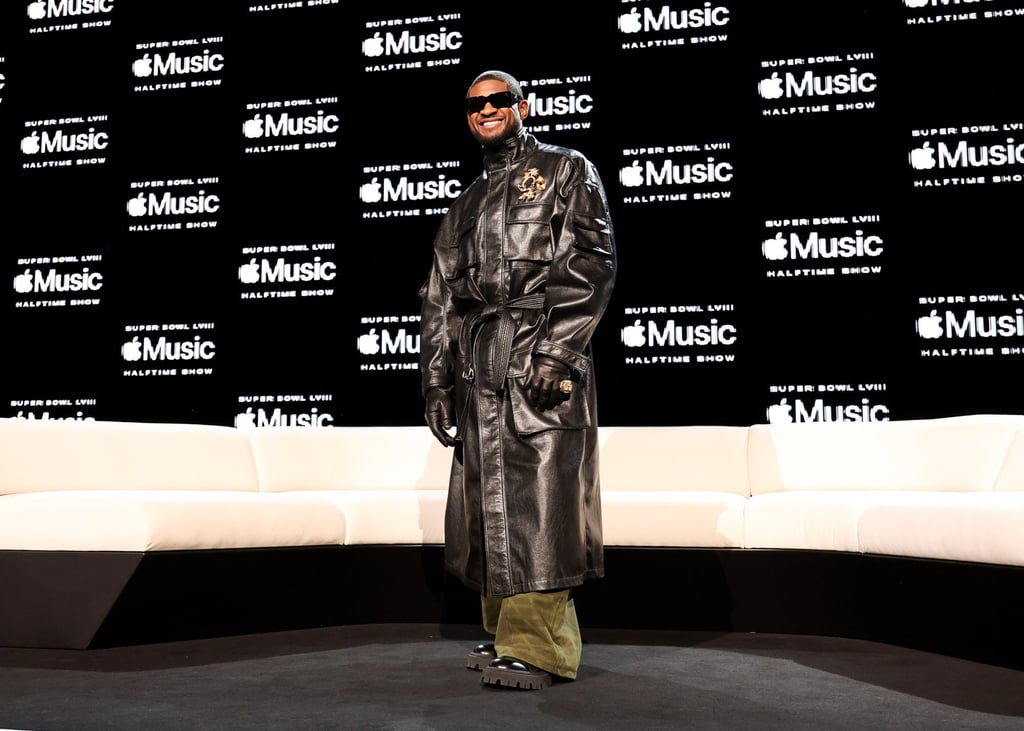
Usher wearing Lu’u Dan to a press conference for the Super Bowl LVIII halftime show. Photo: Getty Images

“I wasn’t OK in my own skin,” he says, referencing his misfit childhood and stuttering journey through fashion towards self-expression and ultimately, self-acceptance. “I didn’t like my identity. Growing up in high school, I was drug dealing – like teenage kids in America, that’s what you do.”

That identity so clearly informed Lu’u Dan’s output – bodacious bomber jackets, graphic prints and swaggering styles as easily seen in a Hong Kong gangster flick as on today’s streets – that it’s hard to imagine how its creative director ever felt out of place. But only someone who spent decades being othered – learning to carve out space for himself in an industry where, in La’s own words, few Asian kids survived – could offer up such a vision of Asian identity and rejection of Eurocentrism.
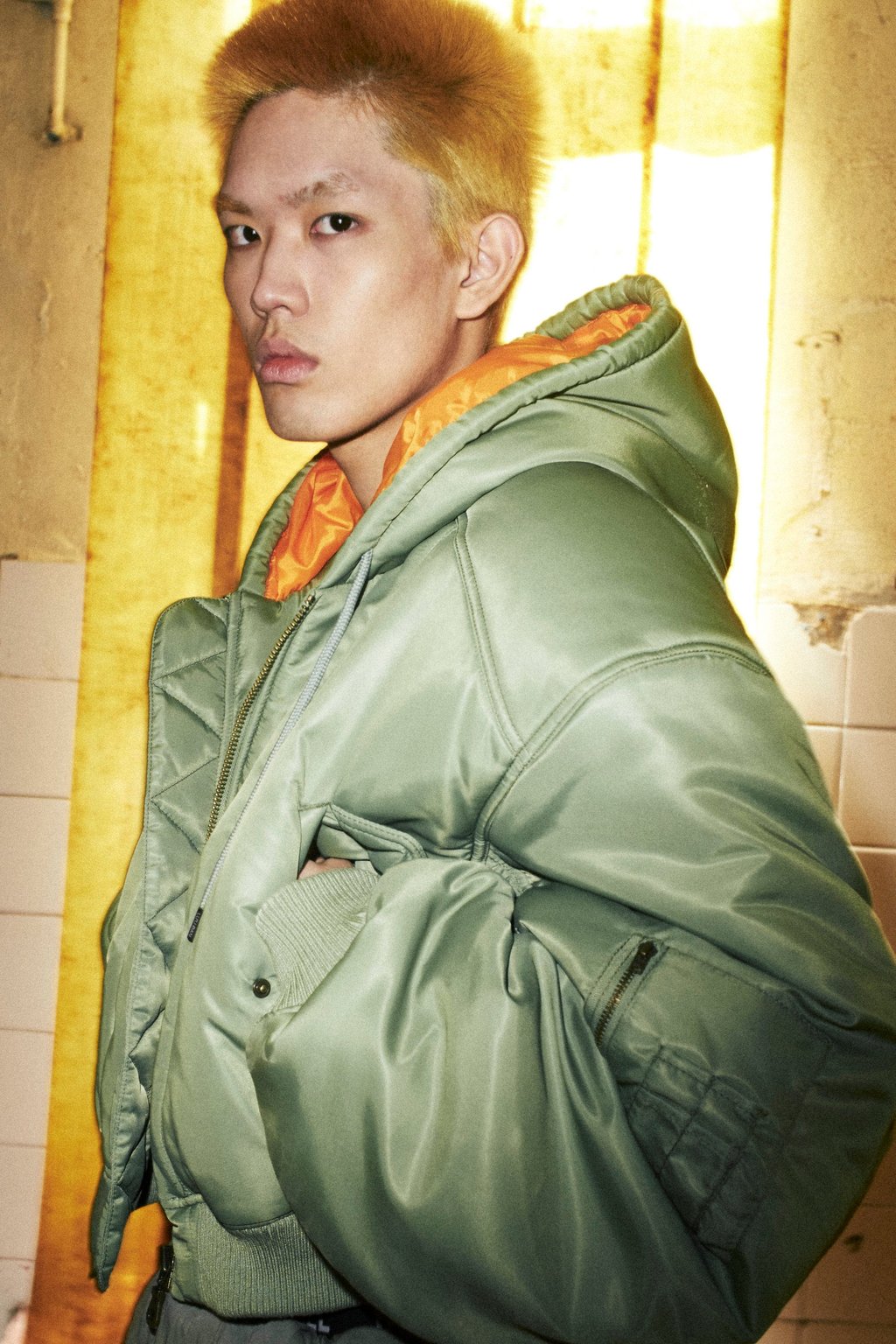
Bomber jackets are a common theme in Lu’u Dan’s collections. Photo: Handout
As La explains, “I went to school in Antwerp, Milan and New York” – all environments that offered little to no sartorial references to his own upbringing and culture. “I worked at big fashion houses, [realising the] visions of other people.” He also found success launching luxury womenswear brand Kwaidan Editions, which was shortlisted for an LVMH Prize, with his wife, Léa Dickely. “But I never worked around my identity.”

Fashion first functioned as a sort of escapism, allowing La to get as far away from his own life as possible, but the racial reckoning sparked by the 2020 murder of George Floyd, which saw protests sweep the United States, prompted reflection.

“I started to investigate my journey as an Asian creative in a predominantly Western, white male-centric ecosystem, and understand the power dynamics,” says La, who questioned why narratives such as his own went unseen in the fashion industry. “You can see very visibly at the top, there’s only a certain profile that is predominantly accepted by the powerful people who run these companies. … At LVMH, at Kering, there’s not a lot of diversity.”

Select Voice
Select Speed
1.00x