Bespoke chandeliers by Niermann Weeks add luxury with an artisanal touch

Niermann Weeks nurtures artisans to add handcrafted lighting and furniture to luxury interiors
The chandelier will someday be a gleaming arrangement of delicate glass tubing and warm, patina-ed metal. It will retail for several thousand dollars.
For now, though, it’s just a few sketches and a pile of paper-wrapped drinking straws from Chipotle.
Claire and Eleanor Niermann, the daughters of the founder of the luxury lighting and furniture brand Niermann Weeks, are building a prototype for their newest light fixture. It’s based on a 1960s Swedish pendant, only instead of a silk fringe dripping from the brass base, as in the inspiration piece, the sisters will use narrow glass tubing. Or, for now, straws.
Claire recalls how the cashier at the burrito joint gave her the stink eye as she grabbed a handful of them on her way out the door. “They’re the exact same size,” she says, holding up the plastic alongside the pricier glass. “So why waste the material?”
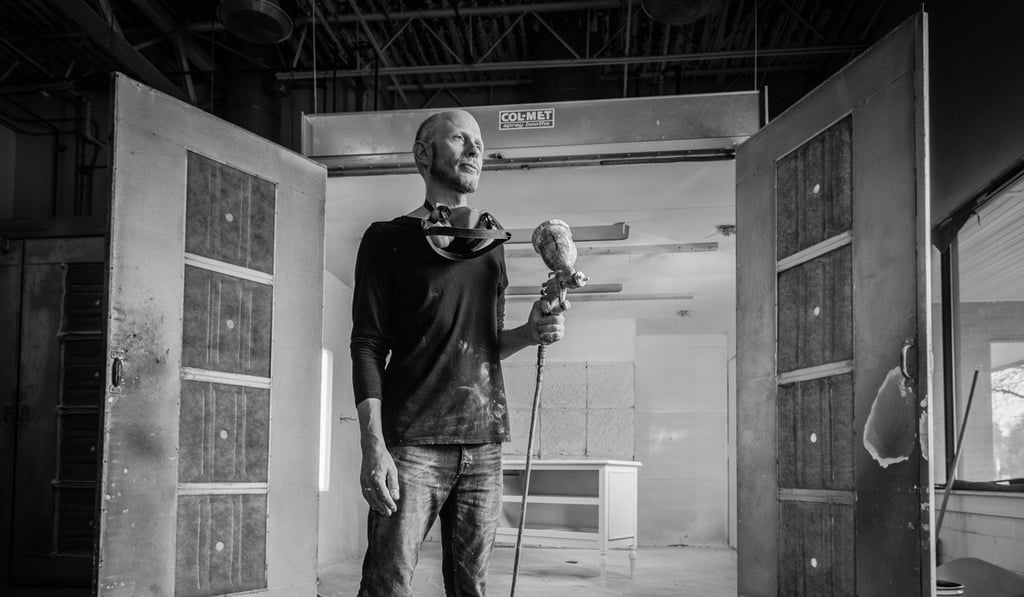
This is how the elegant, high-end pieces that will grace Manhattan penthouses and McLean mansions are made - not in impersonal overseas factories, but by humans, in an unassuming strip-mall-turned-office-park off Interstate 97 in Millersville, Maryland, near Annapolis.
There, the Niermann sisters, along with the company’s president, Justin Binnix (whom they call their unofficial brother), oversee an operation of 22 people that combines a sales force catering to elite designers with a paint-splattered workshop they liken to “art camp.”
It is as far from Ikea as you can get. Top designers often cite the ability to customise pieces as a reason Niermann Weeks has long been their go-to. Since each one is handcrafted, a designer can tweak its proportions or finishes to fit a client’s space. Or even create something from scratch. When a client of Vienna, Virginia-based Hillary Summerbell wanted to use an acrylic tabletop she had found in her travels, the designer was able to work with Niermann Weeks to create a table base for it.
“No one else would be able to do that,” she says. “It’s nice to say to a client, ‘I can figure that out!’ ”
What makes that kind of customisation and attention to detail possible is the network of craftspeople who create the bones of the pieces the company sells - mostly to designers (that’s “to the trade” in design-world parlance) at its New York showroom and at other design showrooms, including the Washington Design Center downtown.