Flying cars no longer a fantasy thanks to trailblazing designers and engineers

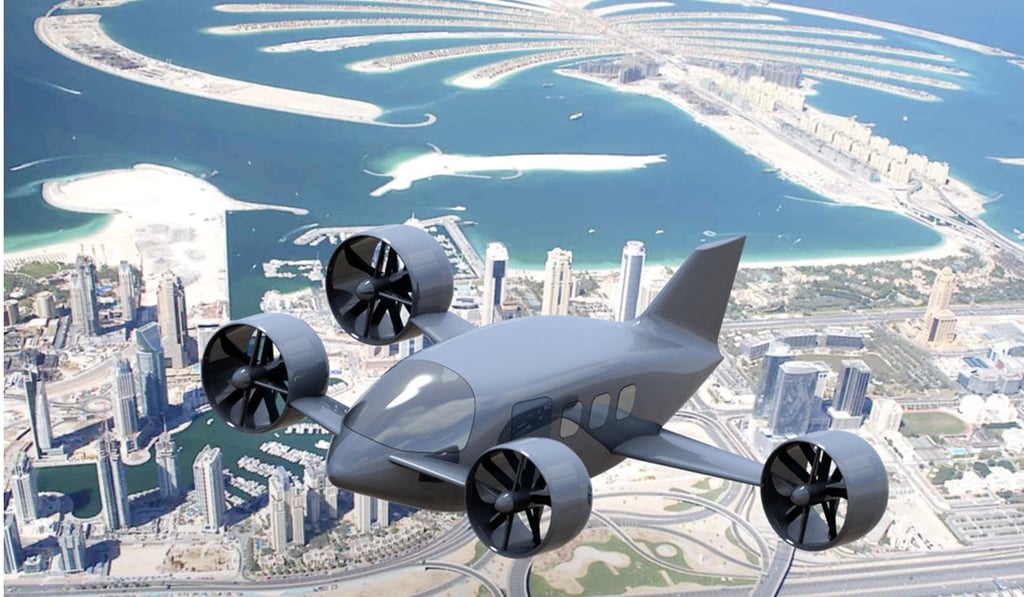
Carplane, Moller Aircraft, Terrafugia, Martin Jetpack, AeroMobil, EHang and PAL-V have produced prototypes of personal flying vehicles, which can be a solution to traffic problems
What a difference a name makes. “Up until two or three years ago, if I said I was developing a flying car people would laugh,” John Brown says. “Now, over the last year, suddenly everyone is taking us seriously. It’s the power of big brands to change attitudes.”
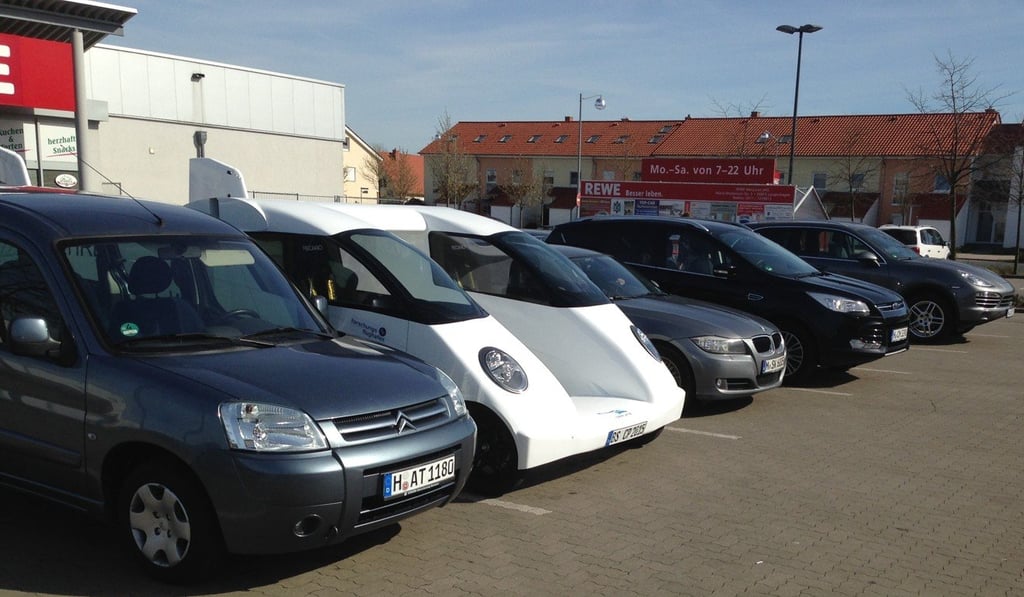
Brown is the owner of the German company Carplane, which is just as it sounds – it makes a car that flies, part of the next generation of personal flying vehicles that could revolutionise our conception of mobility. The brands he is referring to are the likes of Google, Skype and, most recently Uber, which this month announced that it had hired Mark Moore – Nasa engineer and long-time flying car exponent – to help develop just such a craft.
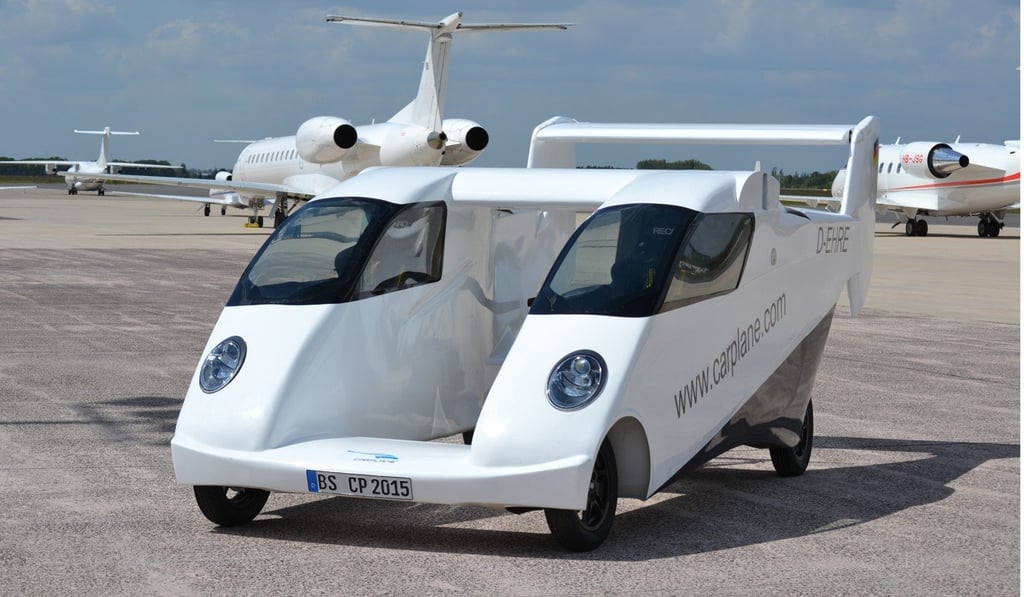
Carplane may well be ahead of the new interest being shown by these big guns – its vehicle, designed to use a short runway, is the first of its kind to receive certification for its prototype; and while it may not have the kind of budgets the tech giants have to play with, it has just won a 500,000 euros (HK$4.145 million) subsidy from the local government of Lower Saxony. “The fact that government is investing that kind of money in this kind of thing is a statement in itself,” Brown notes.
It is hardly surprising that Brown has, to date, faced a wall of scepticism. The first patent for a flying car was filed a century ago next year; Henry Ford tried to launch a flying car in 1926; Alfa Romeo developed one in the 1940s – all came to naught. Come the 1960s, The Jetsons, an animated US TV series set in the future, still proposed a personal flying vehicle as something just around the corner. Half a century on, it still hadn’t.
That may be about to change. Carplane is one of a number of niche companies developing their own take on personal aviation, each at varying distances from present reality – from vehicles that can be driven to your nearest runway to craft that might take off from your driveway, to those can be called on demand in the middle of a city.
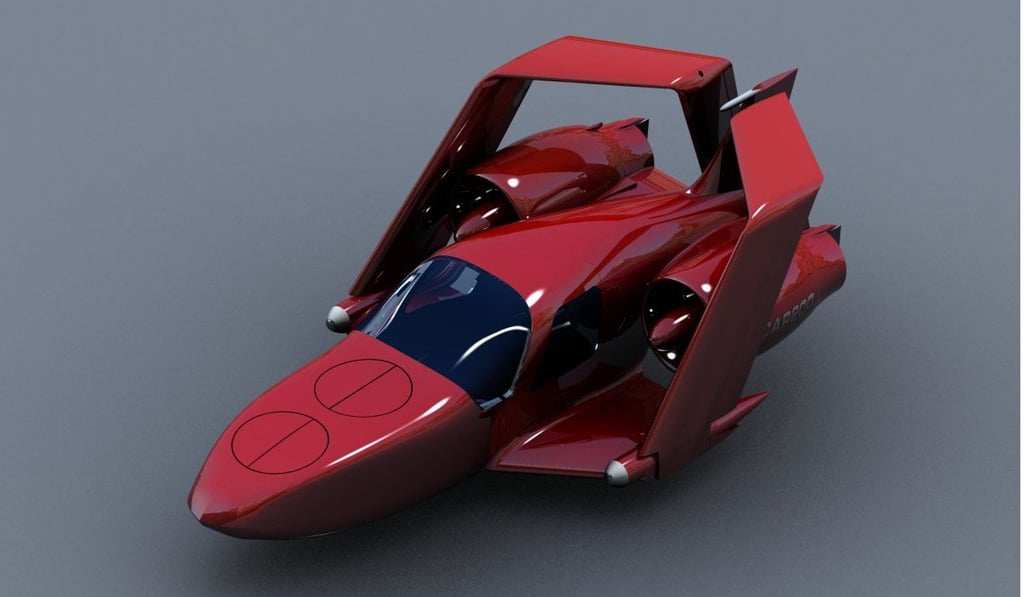
Take Moller Aircraft’s Skycar, for example, the most futuristic looking of all proposals. It’s an ethanol-powered, 360km/h VTOL (vertical take-off/landing) craft with US$80 million and, so far, 50 patents behind it.