Leica M10: the US$6,895 digital camera even analogue photographers can’t resist
Old-fashioned film lover Gillian Laub went to a Sunday family gathering to test out the new Leica M10, the company’s newest digital camera
In the past few years, though, as my favourite 220 film made by Fuji and Kodak has been discontinued, I have reluctantly started using a couple of digital cameras: the Pentax 645Z, a and the Canon 5D Mark 111, which has the ability to switch between moving and still image. Although I often romanticise film and still believe that no digital file will ever truly compare to a film negative, these two cameras expand my arsenal of photography tools, and I have slowly come around to appreciate the latitude that these digital cameras give me.
And among professionals, the German brand already has a stellar reputation as a
To test it out, I took the M10 to my parent’s annual family Father’s Day party, which I have been photographing for years. The weather on this particular day was unpredictable. Before all the company came over, it looked as though it was going to rain. I went on a walk with my husband and daughters, and the camera was terrific with the shadows and dark sky above. Then the sun came out later, which gave me a lot of different lighting conditions to work with.
First Impressions
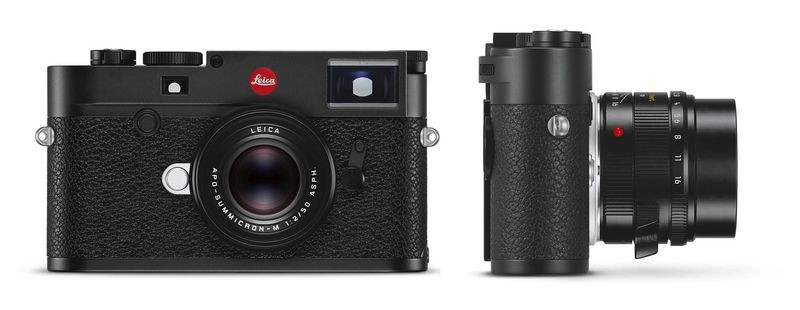
When you pick it up, you can feel how light is. And yet it still feels solid. The sturdy, metal body feels capable of enduring multiple weather conditions. Turn it on, and it’s a straightforward process to adjust the aperture and shutter speeds. The ISO, or “low-light” setting, was a bit awkward and needed to be firmly moved to adjust—to move it, you must pull it up, then turn and push back down. Because of this, moving from scene to scene in different light conditions is not ideal if you need to change the ISO quickly. Luckily I don’t like to change my ISO very often.

The menu functions are also direct and simple to navigate. The Leica’s 1.04 million-dot rear LCD screen provides a crisp, clear image when reviewing pictures, and it can be initiated with the touch of a button. This impressive screen measures 3 inches across the back and gives the user an easy-to-follow menu to change settings and format cards. Some earlier digital cameras did not use this type of interface, which made formatting difficult and more time consuming than necessary.
Another thing that helped me create a different variety of images—more so than the cameras I usually use—is how small and light it is. Moving around and navigating big groups, especially with the 21mm wide lens, is much easier with the M10; you really can get a lot closer.