How new furniture materials are transforming home interiors

3D printing, graphene and hydrogel are changing the face of furniture
Designers with an eye on the future often take their cue from the past. With technological advances enabling materials to be used in ways not previously possible, architects and interior decorators are putting a modern twist on old favourites – and introducing concepts that push the boundaries of the most fertile imaginations.
Lighting is ripe for innovation. While Philips has put mood lighting in the palm of our hands – courtesy of the Hue range of smart lighting controlled by mobile app – local design duo Lo Yat-ming and Stephanie To Wan-yi have opted for hi-tech with a vintage bent.
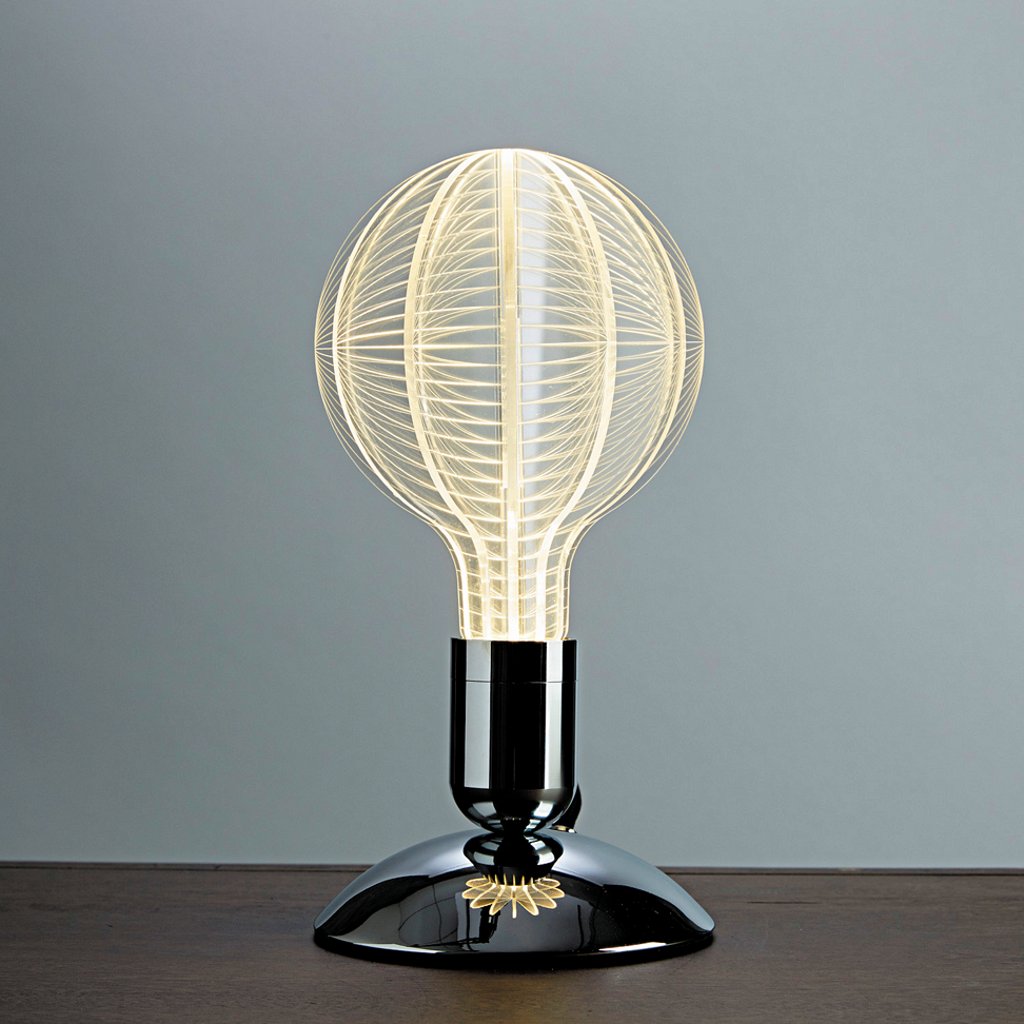
The co-founders of online lighting start-up NAP brought the original Edison light bulb into the 21st century by using LED technology. In their next collection, the URI light, laser-cut machining is used to cut acrylic glass into fine strands, which are woven into intricate patterns. You turn the lamp on by touching it anywhere on the shade or casing. In collaboration with a Hong Kong Science Park-based technical expert, the young designers are now developing a magnetic levitation feature, so that a future Uri lamp will appear to “float” in mid-air.
Hong Kong-based designer and textile experimentalist Elaine Yan Ling Ng is using nature-inspired biomimicry and digital weaving technology to create new materials. At the same time Yan, founder of The Fabrick Lab in Kwai Chung, is attempting to create a socially sustainable materials ecosystem by empowering women, using local materials and harnessing heritage craft techniques. For Sensus, a project commissioned by Hong Kong Design Centre in 2017 and exhibited at the influential Salone del Mobile design fair in Milan, The Fabrick Lab brought together designers, robot engineers and knitted textile programmers to showcase cutting edge technologies in three living prototypes.
More than 50 years after Charles and Ray Eames revolutionalised furniture-making with their technique for moulding plywood – which earned Time magazine’s Best Design of the 20th Century for the much-copied Eames chair – new techniques such as Computer-Numerical-Control (CNC) milling are bringing the Eames’ pioneering production process into the digital age.
Swiss designer Jorg Boner is using it to generate complicated furniture forms – such as his light, comfortable and stackable Wogg 50 chair. The chair’s core element is a piece of moulded wood which has been pressed into place underneath the seat. The connection with this core, and the way it is moulded, gives the backrest an elastic bounce.
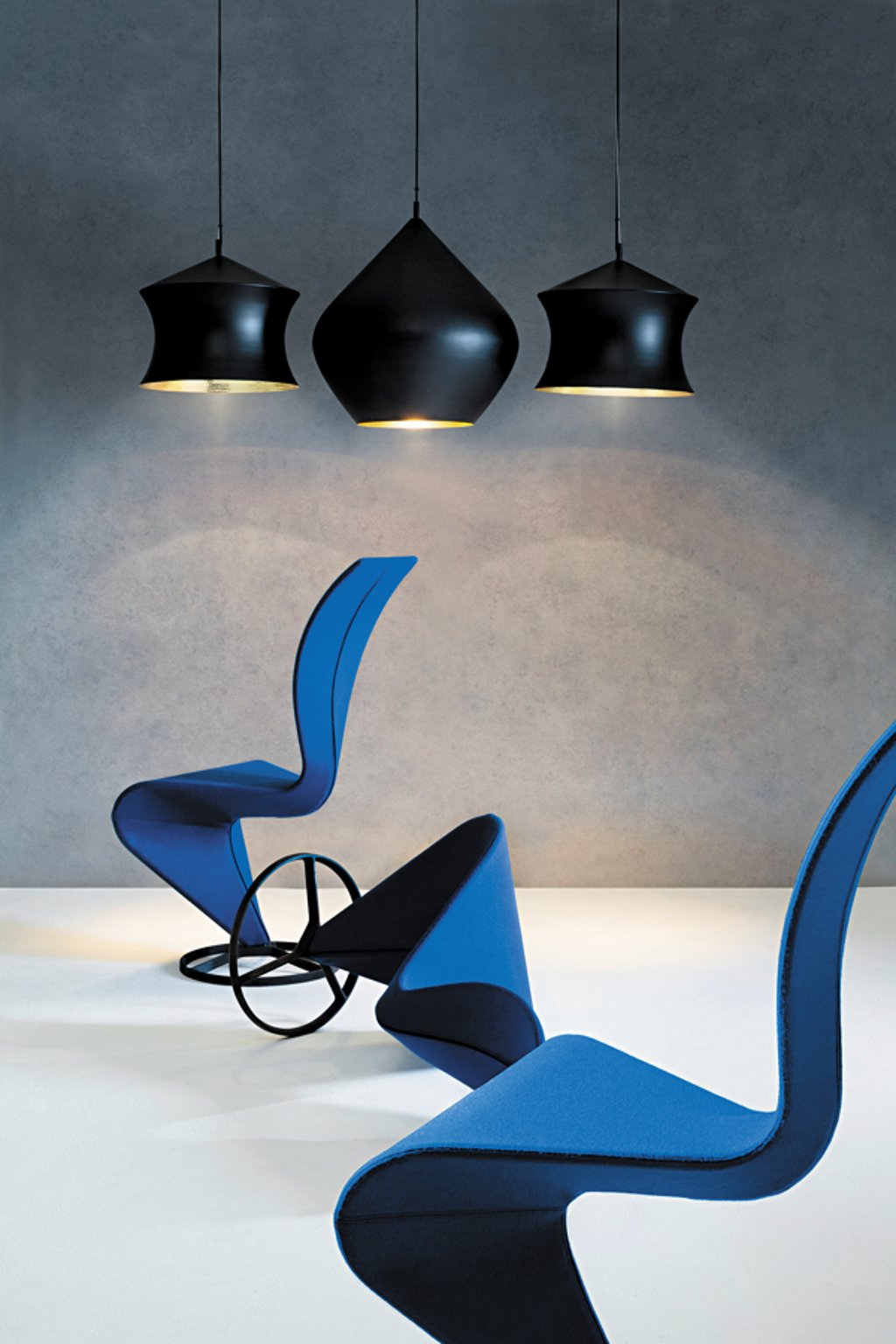
In his London workshop, British designer Tom Dixon continuously updates the three-dimensional form of his iconic S chair, a highly engineered serpentine form which debuted in the 1980s, as new technologies emerge.
In his book Dixionary, Dixon describes digitalised manufacturing as “a dream” for designers and makers alike, because “products can now be made, adapted and reinvented to suit individual needs with simple software that is common between designers and industry”. Dixon’s latest S chair, moulded in industrial hard/soft foam with a pure wool cover in royal blue is available at the Tom Dixon Hong Kong store.