Why your classic car, jewellery or fine wine is a great alternative investment

-
Such treasured assets are the hottest categories when it comes to alternative investments – while providing the joy of ownership
Such treasured assets are the hottest categories when it comes to alternative investments – while providing the joy of ownership
When it comes to high-priced collectibles, the conversation never drifts far from their value and potential for growth. Collecting and investing go hand in hand, and it only takes one look at international auction results to see how sought-after treasures can offer the joy of ownership.
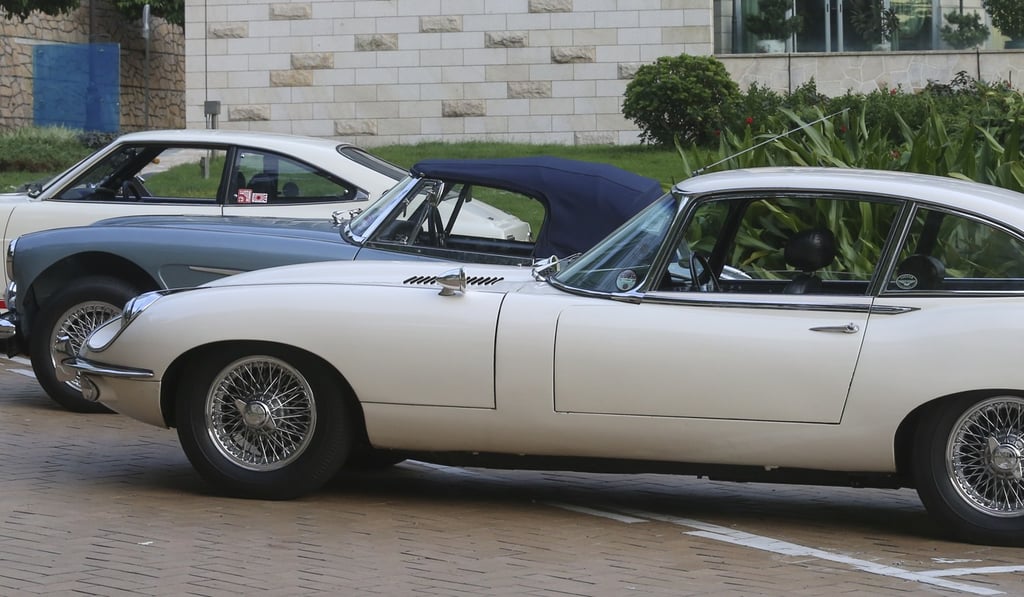
According to Knight Frank’s “Luxury Investment Index – Classic Car Special Q2 2018”, some of today’s most desirable collectibles happen to be items seeing impressive growth.
Some of 2018’s biggest stories from the art, gems, watch and auto auction circles have generated a buzz, and the discussion surrounding the prices achieved at auction and what it means to their respective industry – and collectors – continues to be hotly debated. Should collectibles be seen as merely instrumental to portfolio diversification? Will this lead art and other collectibles down the path of commercialisation?
If you have US$30 million to invest, you might see better return with a classic car or jewellery
All that aside, Knight Frank’s Ji says cars, wine and art, in no particular order, are likely to be the top three alternative investment categories with the highest return in the next five to 10 years. This is unsurprising to those who’ve kept up with the classic-car auction scene; for example, a 1963 Ferrari GTO sold for US$70 million in 2018.
Christie’s sale of Leonardo da Vinci’s Salvator Mundi, which went for US$450 million in 2017, or more recently, the realised price of US$90.3 million of David Hockney’s Portrait of an Artist (Pool with Two Figures) by Christie’s in November 2018 in Hong Kong, the highest auction price achieved by a living artist, has further confirmed art’s growing importance as a valuable asset.
It’s important to note that, before the sale of Salvator Mundi, the world record for the most expensive work of art was Picasso’s Women of Algiers, which sold in 2015 for US$179 million, well under half of what Salvator Mundi drew.
The excitement is not unfounded. Art was the top performing alternative luxury investment asset in the 12 months leading up to the second quarter of 2018, according to Knight Frank’s report, going up by 25 per cent. The average value of art sold at auction rose 21 per cent in 2017, according to an Art Market Research report.