Can Prosecco help Italy unlock China's wine market?

Italy is lagging in the fight for sales in China, which is tipped to become the world’s second biggest importer of wine by 2020
On paper it seems as obvious a pairing as a glass of spicy Gewurztraminer with crispy duck and pancakes.
Yet Italy, the world’s biggest wine producer, is lagging in the fight for sales in China, tipped to become the world’s second biggest importer of wine by 2020.
Sales of Chianti, Pinot Grigio and other samples from Italy’s 300-plus wine denominations accounted for barely five per cent of the US$2.4 billion dollars worth of wine that the world’s most populous nation imported in 2016.
Of that total, 44 per cent by value was sourced from France. Australia, Chile and Spain are also ahead of Italy in seducing the palates of China’s burgeoning middle class.
“It’s a pity. Italian producers have been slow to get into the market,” says Andrew Tan, a Brunello di Montalcino enthusiast in charge of procurement for 1919, one of China’s biggest liquor retailers.
With a network of more than 1,000 stores and an online platform, 1919 sent Tan to last week’s Vinitaly trade fair in Verona.
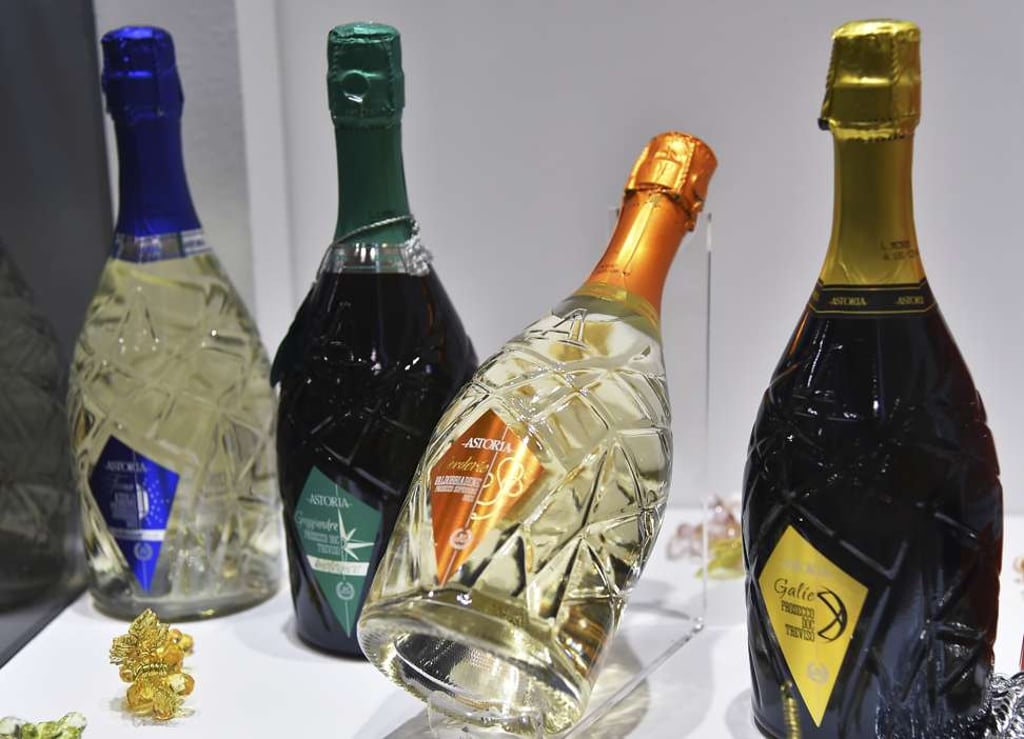
His mission: to find Italian wines capable of matching the success of popular Australian brands like ‘Jacob’s Creek’ and ‘yellow tail’ in the entry-to-middle sections of the Chinese market.
“We are coming in to cooperate with big wineries on branding,” Tan told AFP. “We want to co-own the brands and we promote them – that is what we are talking to several big producers about.”
Tan also sees potential for smaller Italian wineries at higher price points, and for Italy’s top-end Barolos, Brunellos and Amarones as fine-wine investors expand their horizons beyond Bordeaux and Burgundy.