What it’s like to ride a 6,000-ton icebreaker through Arctic waters

A journey through the Victoria Strait
When the CCGS Amundsen breaks through a 10-foot (or thicker) piece of ice, it rides on top of it first, the whole front of the ship sliding onto the sheet as the boat comes to a stop. Then the ship, 100 yards long and weighing 6,000 tons, crushes down, and its sharp hull splits the ice and pushes the fragments to either side.
Here in the ice-clogged Victoria Strait, there’s much crushing to do. These are the icy waters that famously claimed the ships of Sir John Franklin in the late 1840s, even though he set out with Britain’s strongest steam-powered vessels of the time - and, climate change or not, they don’t feel so different today.
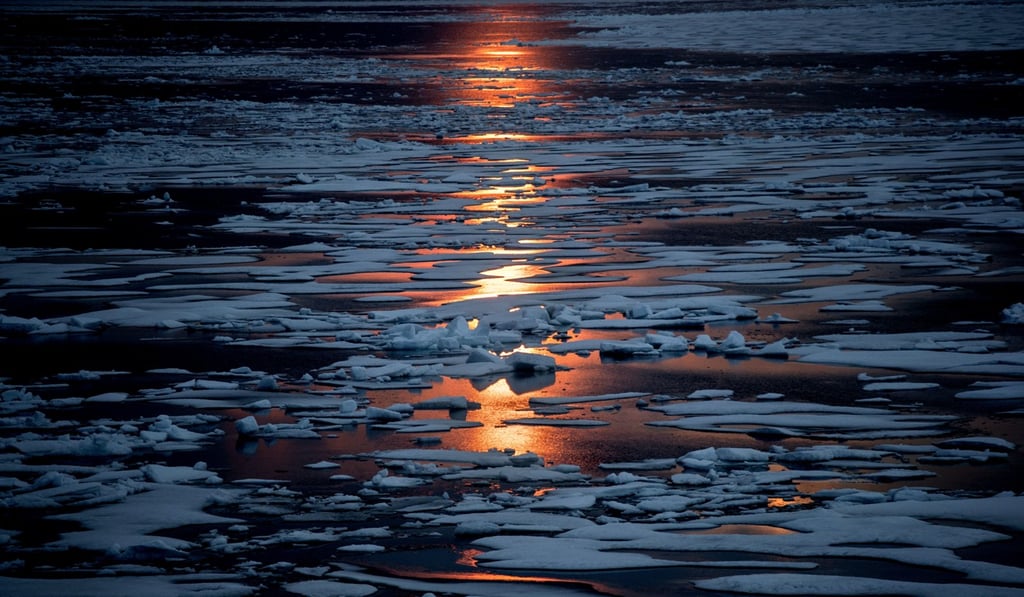
The Washington Post’s Alice Li and I are here to document a voyage of the CCGS Amundsen - a ship so famous in Canada that it is pictured on the C$50 bill - as it navigates the waterways of the famous Northwest Passage. The boat is occupied by Canadian coast guard sailors and dozens of scientists from the ArcticNet consortium based at Université Laval in Quebec City.
The vessel’s crew and passengers are here researching how the waters of the Arctic are changing because of climate change and increased vessel traffic.
It’s a research mission that often involves impressive and expensive instruments, such as the gigantic 35-foot-long piston corer that plunges into the seafloor at high speed and extracts long cylinders of ancient mud, looking for clues on this environment’s state thousands of years ago, when it was covered with a sheet of ice.
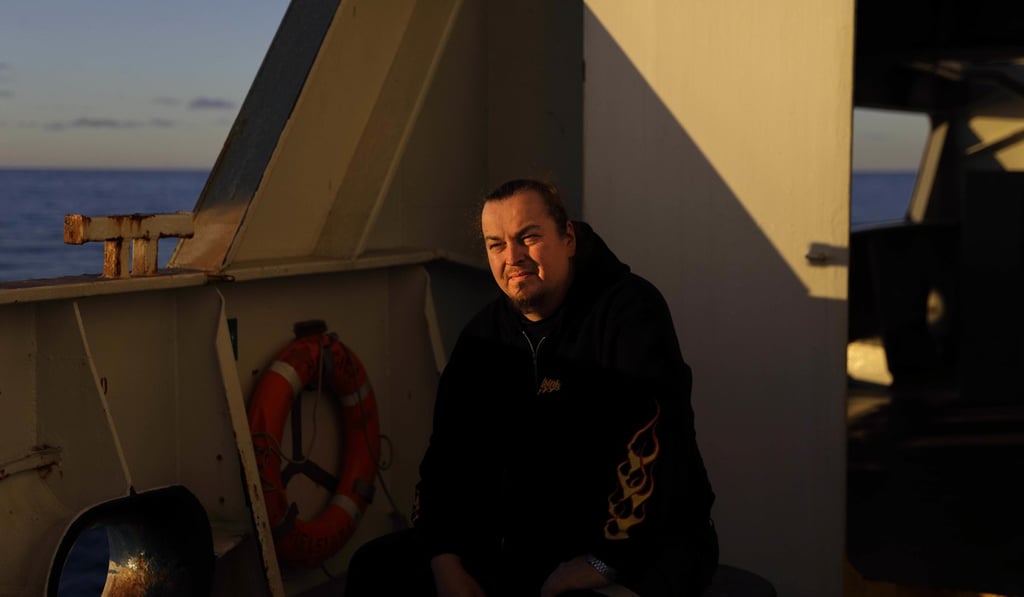
They also use a tool known as the CTD Rosette, a device consisting of dozens of canisters that gathers up water samples to determine basic physical properties of the ocean, checking temperatures and salt levels as researchers investigate whether the seas are warming or currents are shifting.
But the Amundsen is also a coast guard ship and at any moment can be diverted from scientific pursuits to search and rescue, or to help out a vessel in need. Several days ago, we took a detour to provide some extra fuel and food to the US Coast Guard Cutter Maple, which is making a Northwest Passage transit of its own - from Sitka, Alaska, to Baltimore - and needed a little extra supplies along the way. That resulted in a touching moment in which Canadian and US personnel lined up on opposite decks to swap T-shirts, baseball caps and even a book.
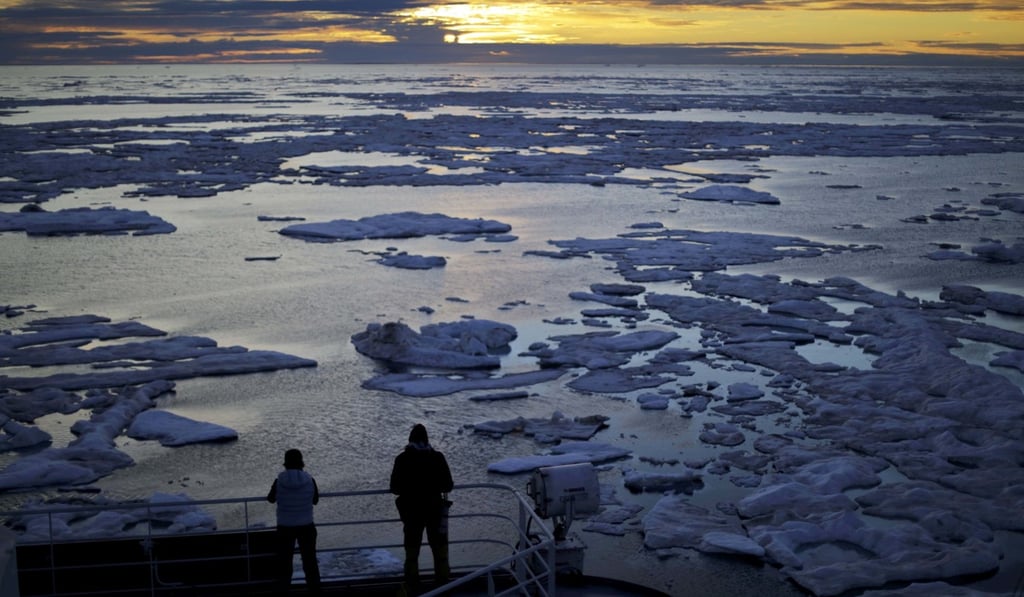
And it’s not just coast-guard callings that can rapidly change the day’s plans - it’s the elements. Ice conditions are monitored in high detail, often via the ship’s helicopter, sent to gather knowledge far beyond what’s available from the official ice charts. As results come back, science schedules are constantly being torn up and rewritten.