How ‘ice Champagne’ was finally invented

But how and why have the Champagne houses shucked off traditional constraints and launched these poppy, seemingly sacrilegious blends? It’s down to tradition, taste, and conveniently coinciding trends
The relentless conquest of Champagne continues: Entrepreneurs now open bars and restaurants configured solely to sell it, and if you have an emergency shortage, one express service will deliver a bottle to your home (or office) in 20 minutes. No wonder sales continue to hit records and Champagne houses are right there meeting demand with such new, unexpected offshoots as LVMH’s Moët Ice Imperial.
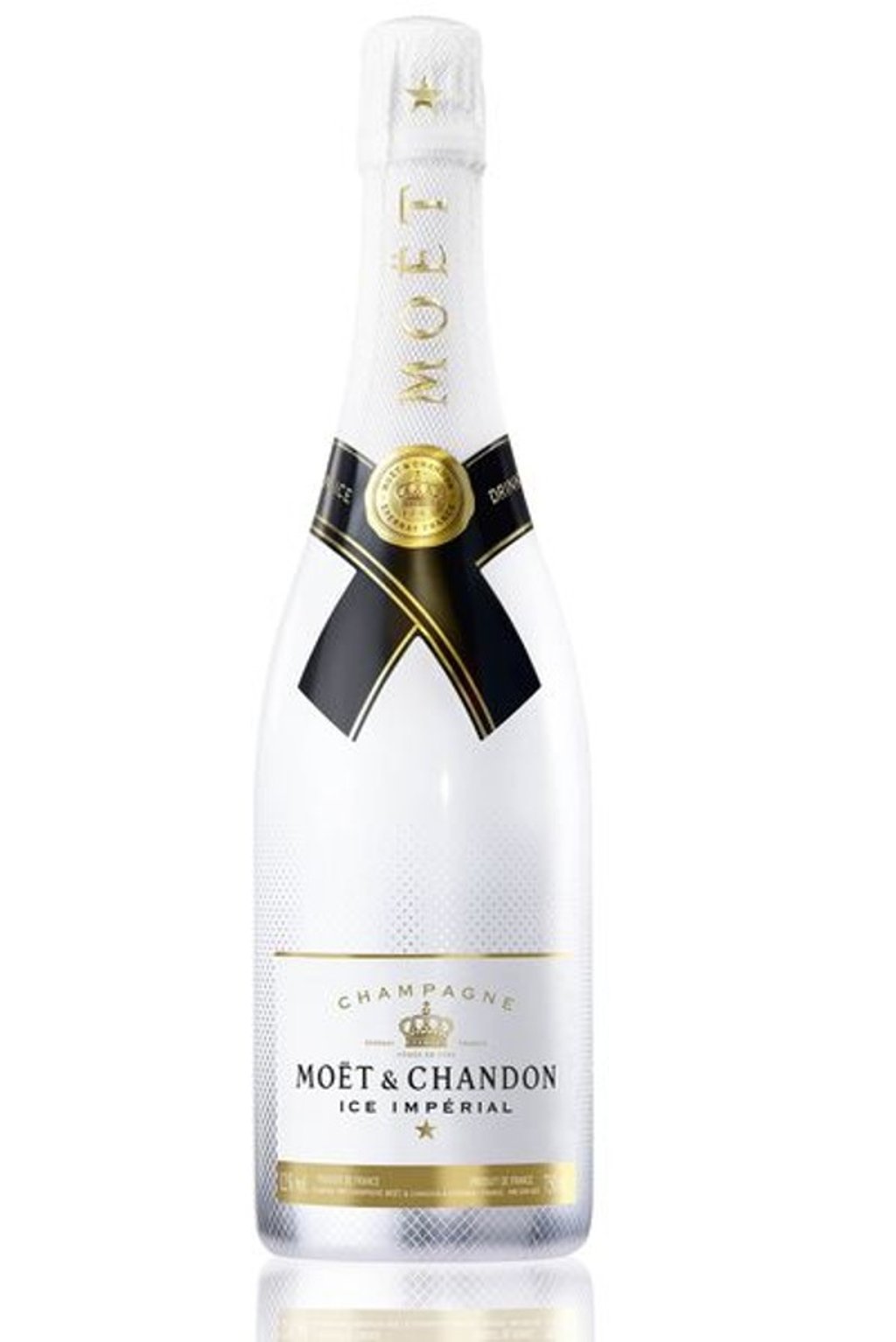
Ice Imperial’s first trial came in 2011 with the promise that it would offer a ‘unique and thirst quenching taste’ that blended three distinctive flavours — fruit intensity, richness, and freshness—and should be served in an unexpected way: a large wine glass, over ice. Champagne snobs scoffed at such heretical drinking, somewhere Bill Murray smiled, and everyone else guzzled it up. In fact, this new kind of fizz, expressly designed to be drunk on the rocks, has become a new category of Champagne.
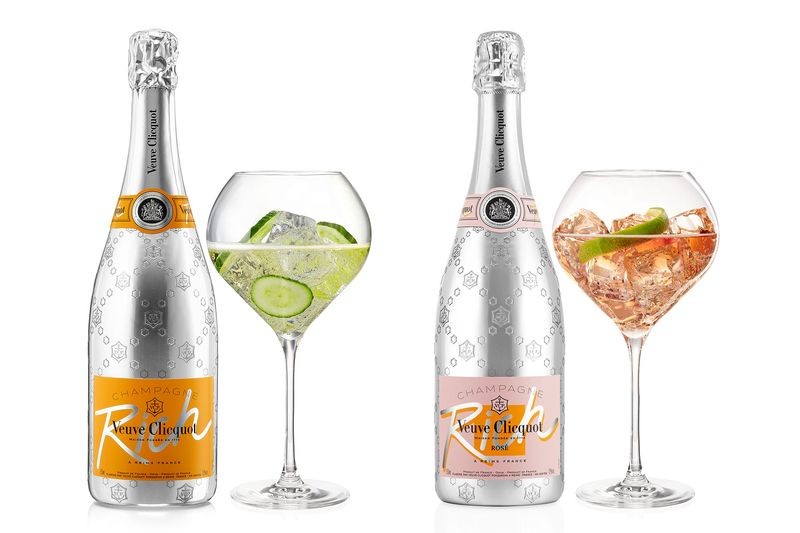
Moët Ice Imperial proved so successful that it hasn’t just spawned its own offshoot—a rosé version, released in 2016 — but also a slew of me-toos from other marques. Pommery claimed that drinkers of its new, ice-friendly Royal Blue Sky would be “quickly hypnotized by this wine, that you want to discover as soon as possible.” Veuve Clicquot, a sister brand to Moët under the LVMH umbrella, went even farther, suggesting its “rich” offshoot be served over ice, in cocktails, or swirled with a chunk of pineapple, some cucumber, or even a squirt of tea.
It wasn’t just the Champagne houses eyeing a share of this sparkling market, either. There are now around a dozen ice-friendly, new blends from French winemakers, such as Bordeaux-based JP Chenet and Jura-based Francois Montand, which has been using méthode champenoise since its namesake winemaker fled there during World War II. There’s a similar aesthetic—foil-wrapped or frosted bottles with snazzy, busy graphics—and a marketing programme that’s more Kendall ’n’ Gigi than Catherine Deneuve. Moët Ice free-flowing at Coachella this year and name-checked in ample Instagrams was a result.
But how and why have the Champagne houses shucked off traditional constraints and launched these poppy, seemingly sacrilegious blends? It’s down to tradition, taste, and conveniently coinciding trends.
Much as marketers might suggest that the idea of icing champagne is outré or unexpected, it’s a long-time habit in France, especially in the south, according to Champagne expert Caroline Brun, who works with such brands as Bollinger.
“In St. Tropez, people have been drinking Champagne [this way] since the 1960s. It’s a fresher way to drink champagne, which, as you know, can be enjoyed anywhere, anytime,” she told Bloomberg via email. “It’s as simple as that.”