Why Australian wines are storming America’s shores

Your guide to the best new wines from the continent’s lesser-known vineyards
Maybe your idea of Australian wine is Yellow Tail, the massively successful, superplonk with a jumping kangaroo on the label. Or maybe you picture an in-your-face monster shiraz so thick and fruity you could practically sip it from a spoon.
If you think those examples define Down Under wines, you couldn’t be more wrong.
Australia’s fine wine scene is one of the world’s most exciting, dynamic, and diverse, with 65 regions growing more than 100 different varietals for nearly 3,000 wineries. A wave of young, avant-garde winemakers with hipster beards and daring ideas are experimenting with reds and whites all over the country and making killer wines.
So why don’t we all know this?

Back in the late 1990s and early 2000s, people in the US were clamouring for only two things from Australia’s vineyards – cheerful budget wine with critters on their labels, and luxury shirazes, which mostly came from the Barossa Valley near Adelaide. Although high-quality vino from other grapes was being made at small boutique wineries in many regions (also in the Barossa), the American perception of Aussie wine didn’t include them. As a result, they were hard to find and buy in the US
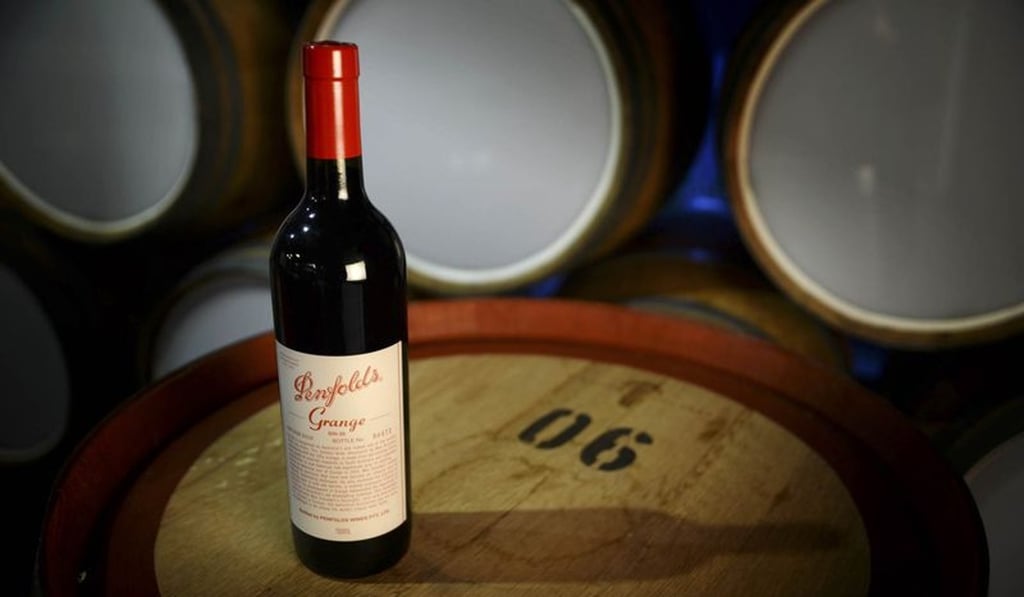
Those shirazes owed much to historic brand Penfolds, which established Australia’s wine reputation with its famous shiraz blend Grange and a handful of other collectible cuvées. It long defined Australian wine as multi-region, multi-varietal blends.
Then, starting in 2008, came a taste rebellion against fruit-bomb reds and the financial crisis. At the same time, the value of the Australian dollar surged to a 25-year high against the US dollar, and drought and bush fires decimated vineyards and wineries in Victoria.
Interest in Australian fine wine crashed, and American importers and retailers cut their Aussie selections by 50 per cent. Most of those big shirazes disappeared from restaurant lists. Penfolds was caught up in turbulent mergers, and even sales of Yellowtail, after years of growth, flattened out, as inexpensive wines from such places as Argentina flooded into the market.