Silk Road leads to new ‘bucket list’ destinations –Uzbekistan, Azerbaijan and Northern Greece

- China’s Belt and Road Initiative helps fans of architecture visit Uzbekistan, food-lovers travel to Xian and adventure-seekers head to Azerbaijan
Thanks to more than a trillion dollars of prospective investment – led by China’s US$800 billion Belt and Road Initiative linking countries stretching between East Asia and Europe – the Silk Road is rising again.
The series of once-legendary pathways connecting cities from Kashgar to Paro to Constantinople, which originated at the dawn of the common era and collapsed with the fall of the Mongol empire in the early 16th century, is being reborn as a network of motorways, railways, and airports linking 65 countries.
Improved safety and easier-to-access visas means the bazaar-filled cities of Central Asia are more accessible than ever.
For travellers, this means a wealth of new destinations to explore – some sprang from deserts overnight and others that have for too long been left off tourist maps.
Uzbekistan is reporting a 40 per cent year-on-year rise in tourism; Baku, in Azerbaijan, has also awakened from its post-Soviet slumber to rank among the fastest-growing tourism destinations in Europe and Central Asia.
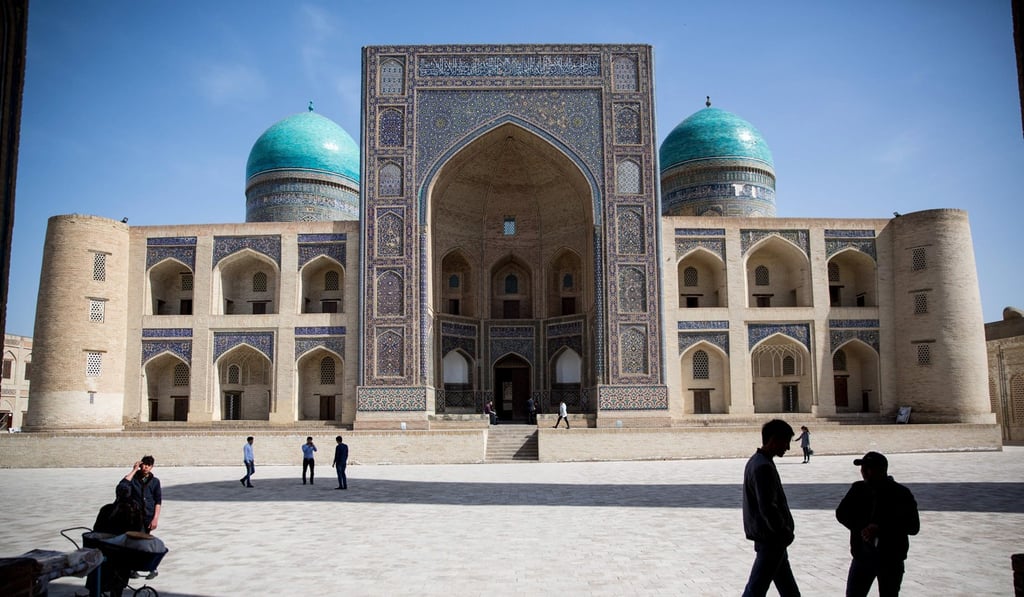
Jonny Bealby, founder of luxury travel outfit Wild Frontiers, the region is also emerging in response to “people looking further and further afield to see places that are more authentic, less spoiled, and less on the beaten track”.
His company is just one of several tour operators – including Ker & Downey, Abercrombie & Kent, and Remote Lands – helping travellers realise a fantasy of travelling the Silk Road.
Yet completing that journey, end-to-end, can take anywhere from six weeks to three months.
Here are a few locations to prioritise if your holiday days are not quite that plentiful.